
Best Whole-Room Dehumidifiers 2026: Top Picks for Large Spaces
 Abdulwahab Suleiman·June 16, 2026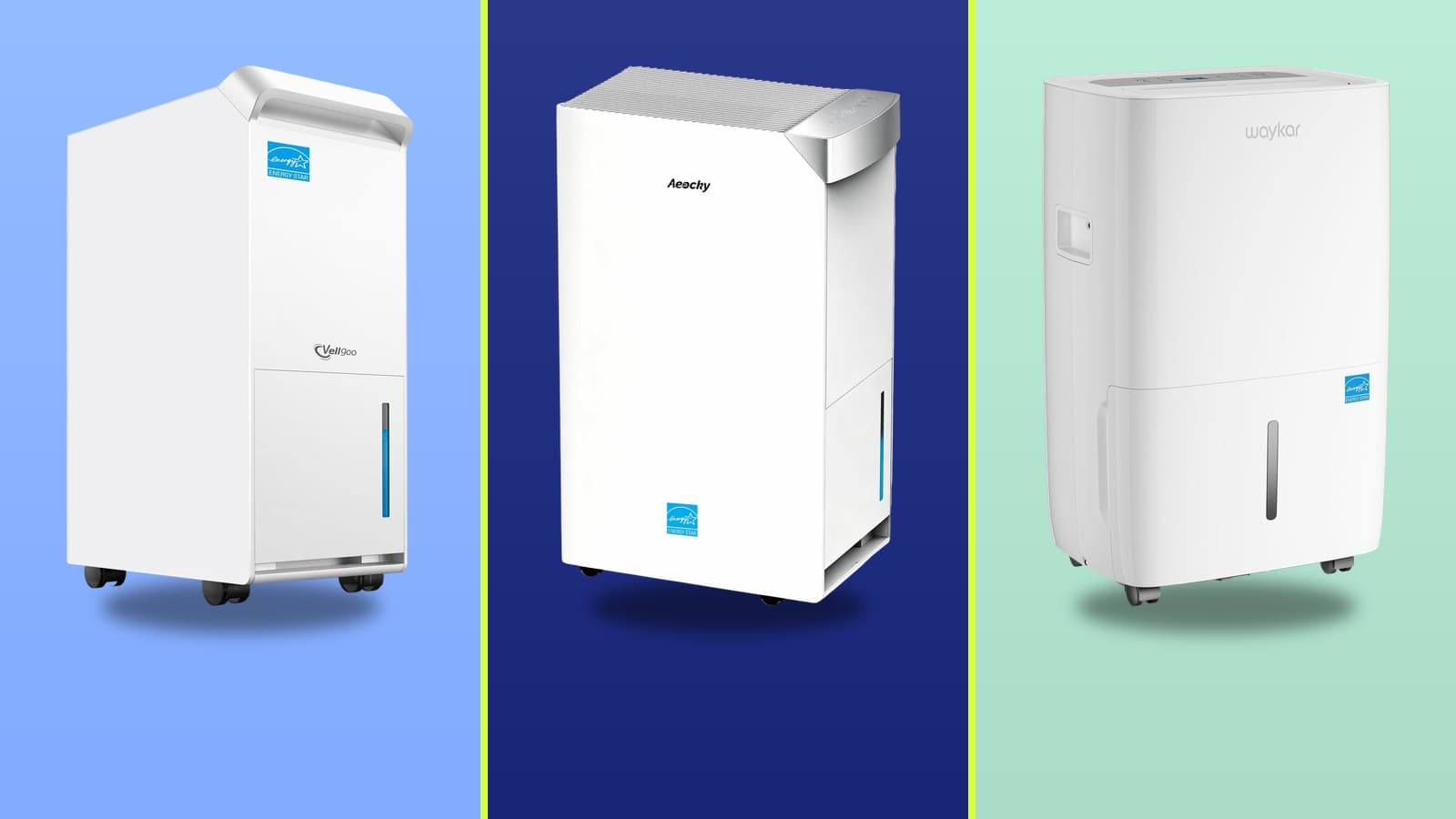
We focused on large-capacity compressor units rated for 4,000 sq. ft. and up, where whole-room coverage stops being marketing and starts being engineering. Every spec below is drawn from the manufacturer's published spec sheet and cross-checked against ENERGY STAR certification data, Consumer Reports coverage, and recurring themes in verified owner feedback. Prices are June 2026 Amazon snapshots.
Quick Comparison
 1
1Credit: Amazon
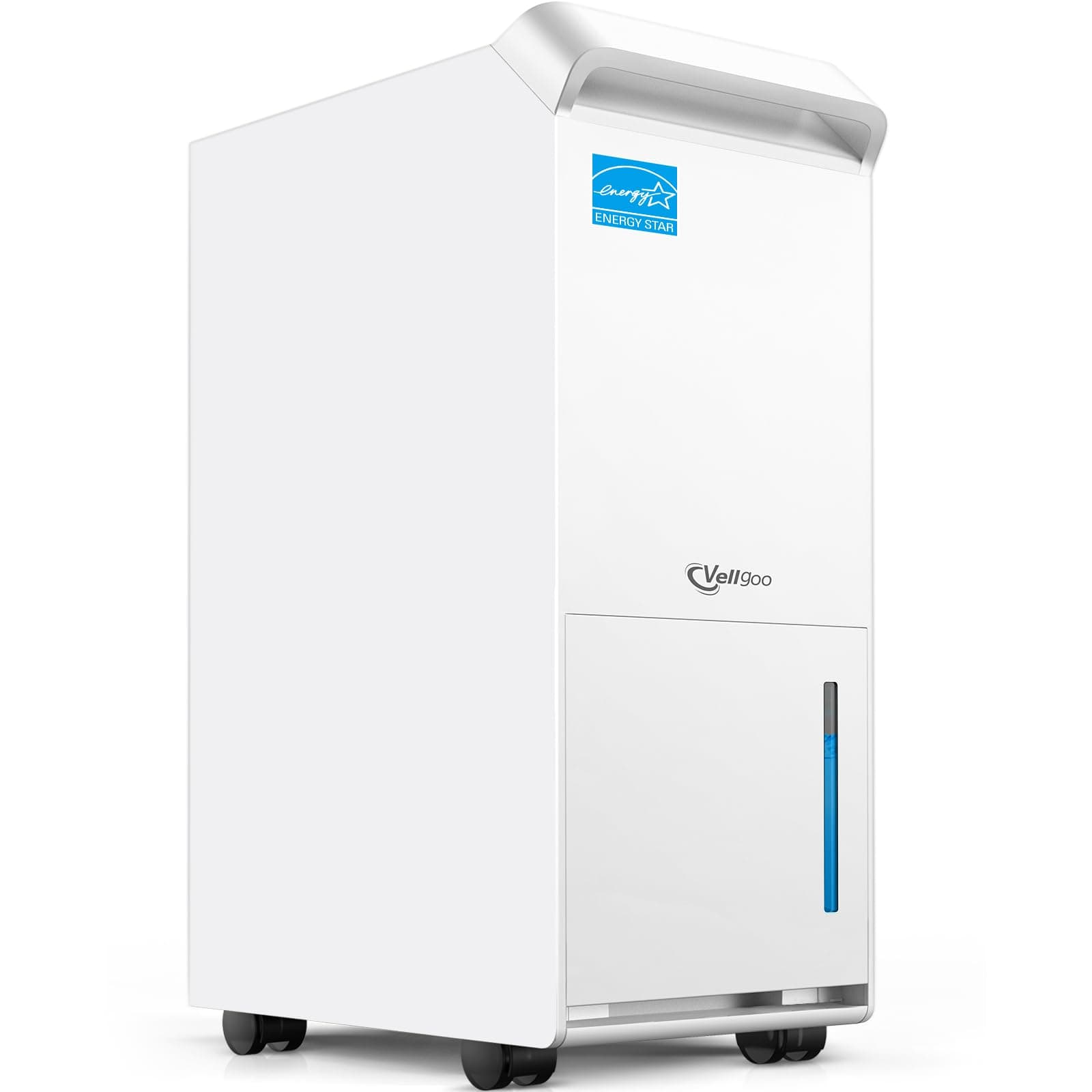
Vellgoo Max 64 Pint Dehumidifier
 2
2Credit: Amazon
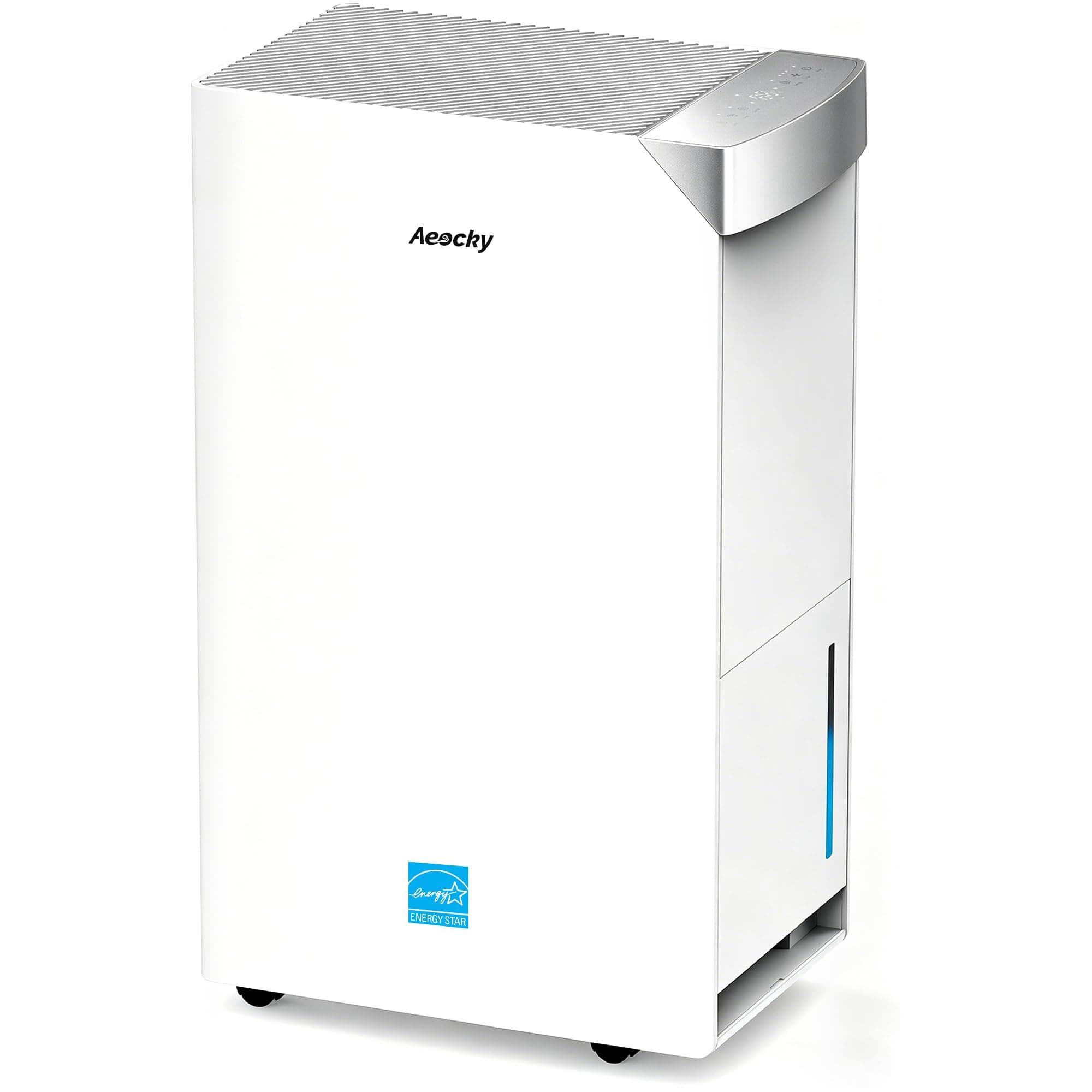
AEOCKY 74-Pint Dehumidifier
 3
3Credit: Amazon
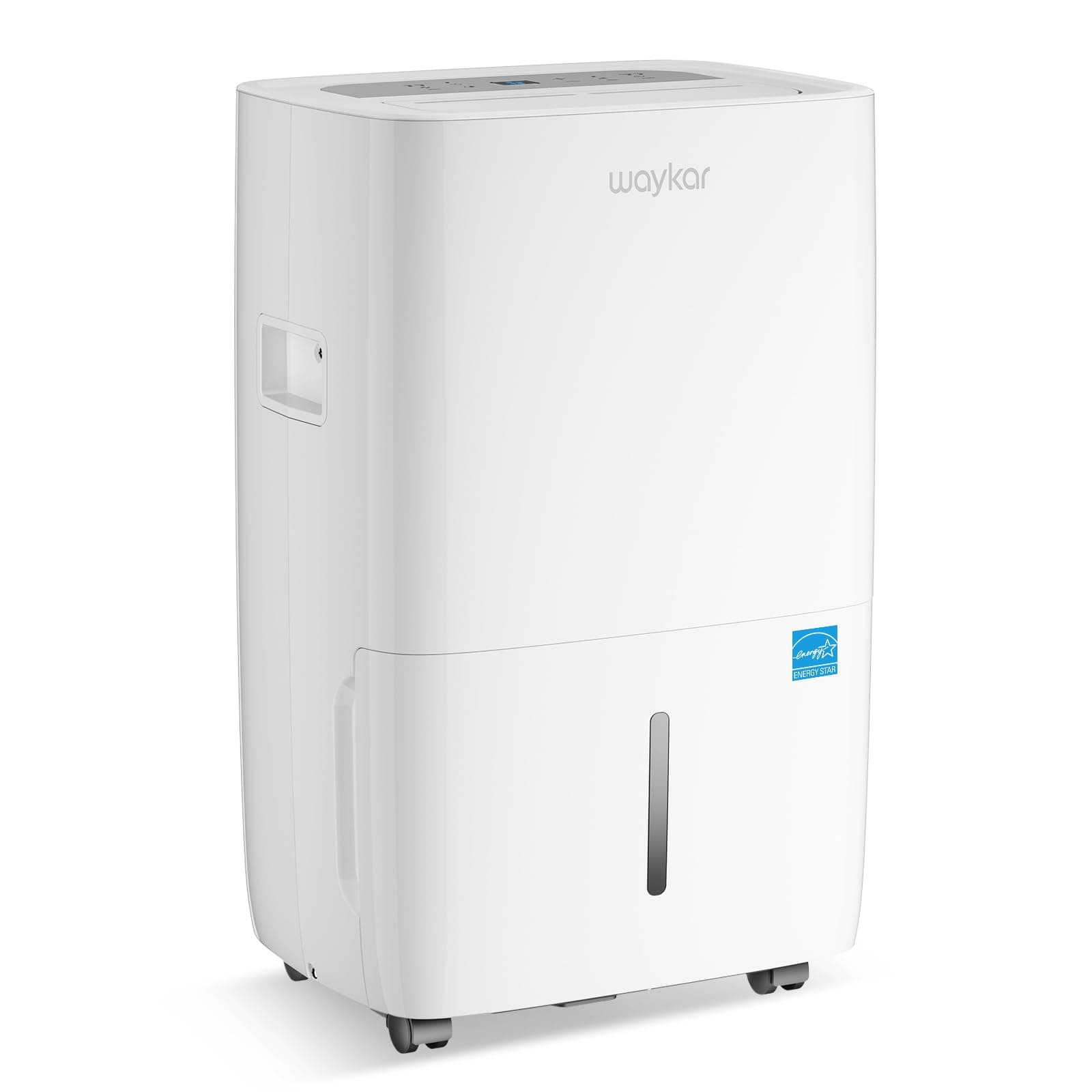
Waykar 80 Pint Dehumidifier
Vellgoo Max 64 Pint Dehumidifier
Credit: Amazon
Where to Buy
Key Specs
What We Like
- Lowest price of the three picks
- ENERGY STAR Most Efficient (strongest efficiency credential here)
- Continuous drainage via hose
What Could Improve
- 4,000 sq. ft. rating assumes a sealed space with normal ceiling height
- Efficiency claims trace mainly to the manufacturer's own page
What to Know
AEOCKY 74-Pint Dehumidifier
Credit: Amazon
Where to Buy
Key Specs
What We Like
- Most complete, transparent published spec sheet
- Quiet 44-50 dB operating range, good for living areas
- Balanced price-to-coverage at $199.95
What Could Improve
- Heavy at 32 lbs
- Coverage rating assumes a sealed space
What to Know
Waykar 80 Pint Dehumidifier
Credit: Amazon
Where to Buy
Key Specs
What We Like
- Highest airflow (124 CFM) and largest 5,000 sq. ft. rating
- Widest 30-80% adjustable humidistat range
- ENERGY STAR Most Efficient
What Could Improve
- Most expensive of the three at $219.99
- Overkill for small rooms and apartments
What to Know
How to Choose a Whole-Room Dehumidifier
What to consider before you buy
Who This Is For
Need a high-capacity compressor unit and continuous drainage to keep persistently damp lower levels dry without daily tank-emptying.
Want a single unit rated for 4,000-5,000 sq. ft. to control humidity across connected living areas rather than running several small machines.
Prioritize holding relative humidity in the 45-50% range to discourage mold, dust mites, and musty odors.
Run a dehumidifier for months at a time and care most about ENERGY STAR efficiency to keep the electricity bill in check.
Key Factors to Consider
Modern units list a 2019 DOE pint/day rating that is lower than older 2012-standard numbers; match the pint rating and the stated square-footage coverage to your actual space, and size up for very wet basements.
A continuous gravity drain hose or a built-in pump lets the unit run unattended; gravity drains need a floor drain below the unit, while a pump can push water up and out to a sink or window.
ENERGY STAR and the stricter ENERGY STAR Most Efficient tier matter a lot when a unit runs continuously, directly affecting running cost over a humid season.
An adjustable humidistat that holds a target like 50% RH automatically is far more practical than manual on/off; a wider adjustable range gives more control across rooms.
Operating noise in the mid-40s dB is acceptable in living spaces; higher levels are fine for unoccupied basements but distracting in bedrooms.
Standard compressor units lose capacity and can ice up in cool basements; an auto-defrost cycle protects the compressor and keeps the unit working in cooler conditions.
Quick Checklist
How We Research
How We Test
Cross-checked manufacturer specs
Compared published DOE pint ratings, coverage area, energy certifications, drainage options, and noise figures across each unit's official spec sheet.
Surveyed expert reviews
Pulled coverage, efficiency, and reliability findings from established appliance-review outlets and ENERGY STAR's certified-product data.
Cross-checked owner-feedback themes
Synthesized recurring points from verified buyers on real-world coverage, drainage convenience, noise, and durability over a full humid season.
Flagged spec gaps honestly
Noted where a coverage or efficiency claim traces mainly to the manufacturer rather than independent confirmation, so buyers weigh it accordingly.
Important Warnings
- Running a standard compressor unit below about 65 degrees F can cause the coils to ice up; rely on auto-defrost and don't force it in very cold spaces.
- Never scrape ice off the coils or use a heat gun or hairdryer to thaw them; unplug the unit and let it defrost naturally for a few hours.
- Don't switch the unit off and back on rapidly; wait several minutes so the compressor can equalize and avoid premature wear.
- Leaving standing water in the tank invites mold and musty odors that the unit will then circulate.
Maintenance Schedule
Remove and rinse the washable filter in warm water, let it dry fully, then reinsert; a clogged filter restricts airflow and raises energy use.
If not using a drain hose, empty the tank and wipe it with mild soap and water to prevent mold buildup.
Check that a continuous drain hose or pump line is unobstructed and draining freely so the unit doesn't back up or shut off.
Gently vacuum or soft-brush dust off the coils once a year (never a wire brush, which damages the soft metal) to keep heat exchange efficient.
Wipe the housing and intake/exhaust grilles so dust doesn't restrict airflow.
Related Posts




Buying Guides — Best Back to School Dorm Essentials 2026: 6 Research-Backed Picks
Skip the 75-item packing list. These six research-backed dorm essentials solve the problems every residence-hall student actually hits, from communal bathrooms to outlet shortages, all verified at July 2026 deal prices.