
Milwaukee M12 2407-20 Review: Compact 12V Drill/Driver
 Abdulwahab Suleiman·August 1, 2026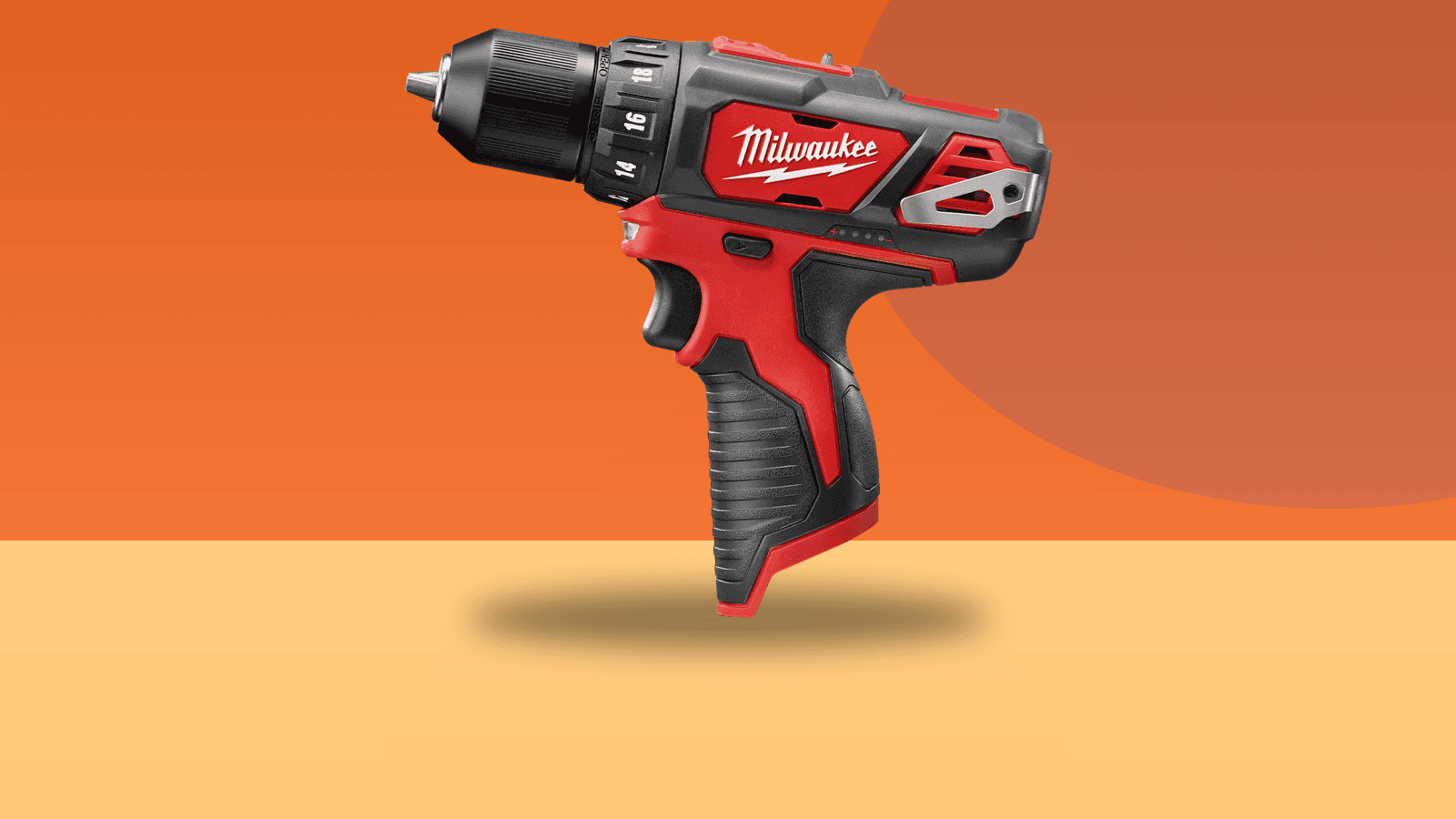
Milwaukee M12 2407-20 Review: A Compact 12V Drill/Driver That Punches Its Weight
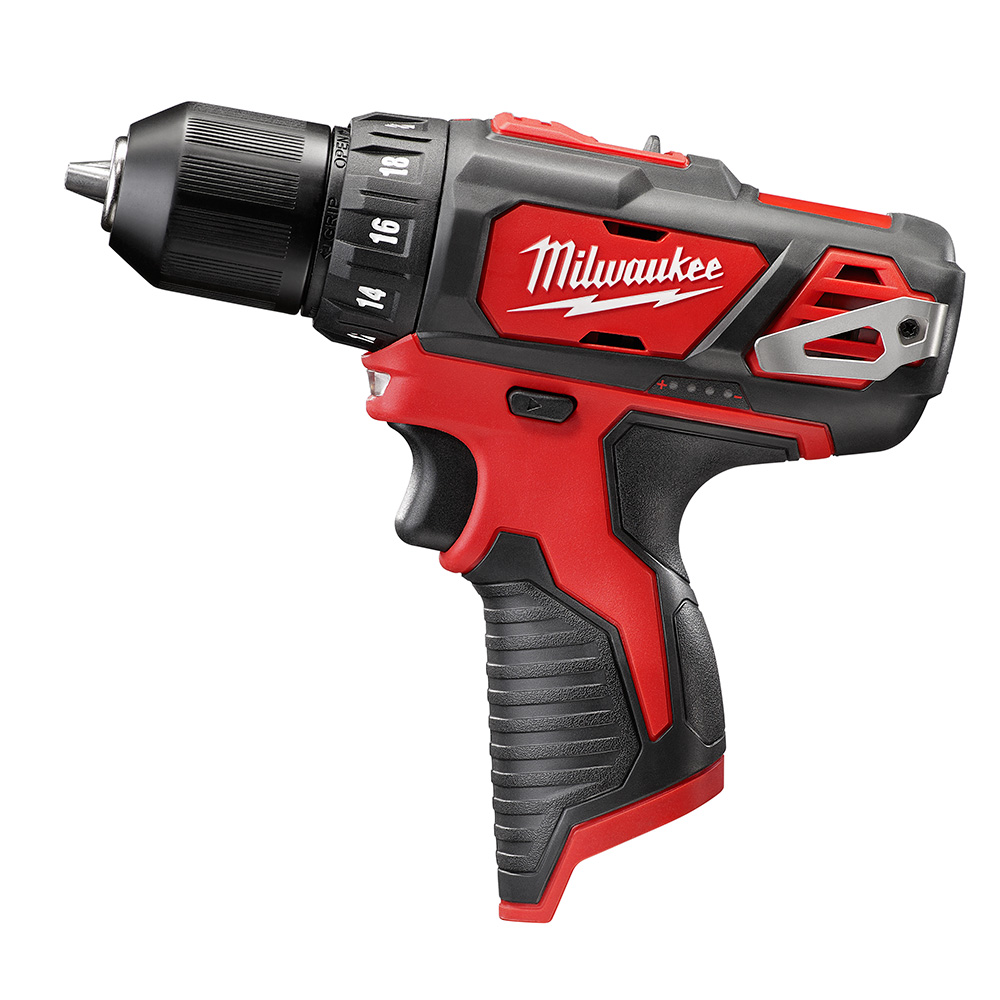
The Milwaukee M12 2407-20 is one of the smallest drills you can buy that still feels like a real tool. It is a bare, 12-volt 3/8-inch drill/driver built for the kind of work most homeowners and finish tradespeople actually do: hanging shelves, assembling furniture, driving cabinet screws, and getting into corners a full-size 20V drill simply cannot reach. This Milwaukee M12 2407-20 review looks at what the tool is engineered to do, where its limits sit, and who should skip it, using Milwaukee's published specifications alongside reputable third-party analysis.
The short version: the 2407-20 is a well-built compact drill that outperforms its size, but it is a light-to-medium duty tool sold as a bare unit. Understanding both of those facts is the difference between loving it and returning it.
Where to Buy
The M12 2407-20 is a bare tool, so the battery and charger are purchased separately.
Milwaukee 2407-20 specs and torque at a glance
The 2407-20 sits on Milwaukee's 12-volt M12 platform. According to Milwaukee's official product page, the tool delivers up to 275 in-lbs of peak torque and runs a two-speed transmission rated at 0-400 RPM in low and 0-1,500 RPM in high. That torque figure is the number worth anchoring on: it is generous for a sub-2.5-pound 12V drill, and it is the reason the tool handles more than its footprint suggests.
Physically, this is a genuinely small drill. Retailer spec sheets such as Acme Tools list it at roughly 7.38 inches long and about 2.1 pounds as a bare tool, rising to around 2.4 pounds once an M12 REDLITHIUM battery is attached. That length is the headline feature for anyone working inside cabinets, between studs, or under a sink, where a longer drill body will not fit at the angle you need.
Two details separate the 2407-20 from bargain-bin compact drills. The first is the 3/8-inch all-metal single-sleeve ratcheting chuck, a component usually reserved for pricier models that grips bits more securely and survives job-site abuse better than a plastic chuck. The second is the onboard hardware: an LED work light at the base of the handle and a REDLINK fuel gauge that shows remaining charge, both features ToolNerds singles out as unusual at this size and price.
Rounding out the sheet: 20 clutch settings for controlled driving, a brushed (not brushless) motor, and Milwaukee's 5-year limited warranty on the tool. The warranty length in particular is worth weighing against cheaper competitors that typically offer one to three years.
Who the Milwaukee M12 2407-20 is for
This drill is aimed squarely at the person who values maneuverability over raw grunt. If your project list is dominated by furniture assembly, hanging blinds and shelving, electrical and cabinet work, or general around-the-house fixes, the compact body and 275 in-lbs of torque cover it comfortably. Reviewers consistently note that its size makes it pleasant to use in confined spaces where a larger 18V or 20V drill becomes awkward.
It is also a smart pick for anyone already invested in, or planning to buy into, the M12 ecosystem. Because it is a bare tool, the value proposition improves the more M12 batteries and tools you own. The same pack that runs your M12 impact driver, light, or inspection camera powers this drill.
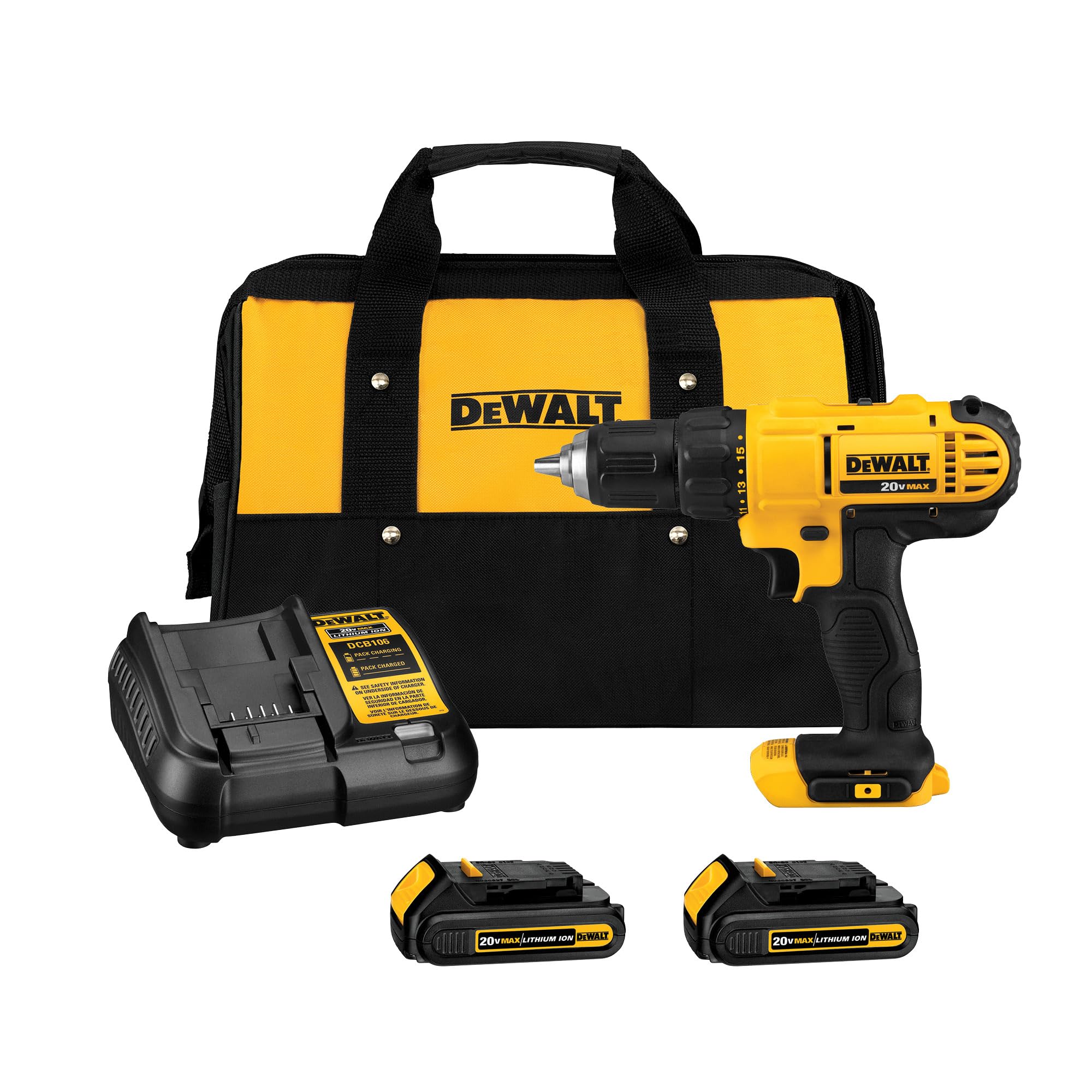
For heavier drilling into masonry or thick lumber, a 20V-class drill like the DEWALT DCD771C2 is the better tool.
Where it is the wrong tool is heavy, sustained drilling. The 2407-20 uses a brushed motor and, as ToolNerds points out, it will disappoint anyone trying to bore large-diameter holes in hardwood, drill masonry, or run a hole saw all day. Those jobs belong to an 18V or 20V drill. If your work leans that direction, the more powerful DEWALT DCD771C2 is a better match, and our best cordless drills of 2026 guide lays out how the compact and full-size classes trade off against each other.
Battery compatibility: what "bare tool" really means
The single most common source of buyer frustration with the 2407-20 has nothing to do with performance. It is that the tool ships as a bare unit with no battery, no charger, and no case. The model number 2407-20 denotes the bare configuration; the 2407-22 is the kitted version that includes two batteries and a charger.
The upside is genuine flexibility. Any M12 REDLITHIUM battery works, from a compact CP1.5 pack up to the higher-capacity XC packs, so you can match runtime to the job. If this is your first M12 tool, budget for a battery-and-charger starter kit on top of the tool price. If you already own M12 gear, the bare tool is the economical way to add drilling capability without paying for batteries you do not need.
Milwaukee 2407-20 pros and cons
The strengths are consistent across sources. It is compact and light enough for one-handed work in tight spots, the all-metal ratcheting chuck and 5-year warranty signal build quality above its price class, and the LED light plus fuel gauge are practical touches. The 275 in-lbs of torque is ample for DIY and light professional driving.
The trade-offs are equally clear. The brushed motor caps its ceiling, so it is not a tool for heavy or continuous drilling. The bare-tool packaging adds cost if you are new to the platform. And at 12 volts, it will always trail a full 18V/20V drill on the hardest tasks by design, not by defect.
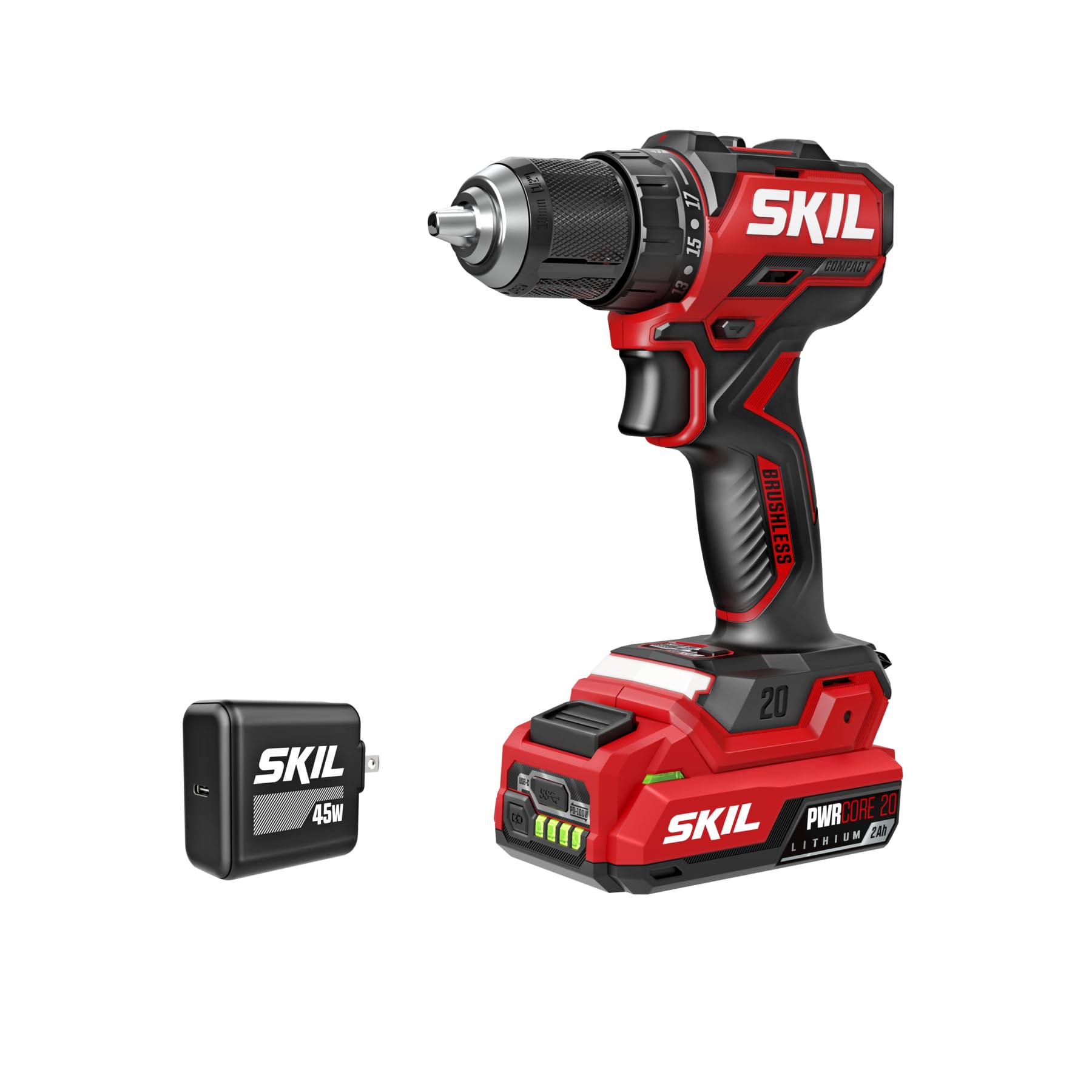
Shoppers who want a brushless motor in a kit-with-battery format often cross-shop the Skil PWR CORE 20.
If a brushless motor and an included battery matter more to you than absolute compactness, it is worth cross-shopping kitted 20V-class options before committing. But if a small, durable, genuinely pocket-of-the-tool-belt drill is the goal, the M12 2407-20 remains one of the most recommendable 12V drill/drivers on the market.
Verdict
The Milwaukee M12 2407-20 earns its reputation as a compact drill that does more than its size implies. Buy it for maneuverability, build quality, and access to the M12 battery family, and go in knowing it is a light-to-medium-duty tool sold without a battery. Judged on that basis, it is an easy recommendation for homeowners and tradespeople who need a reliable second drill for the 90% of jobs that do not require a full-size machine.
How We Research
We build every review on three independent evidence layers, cross-checked against each other. First, the manufacturer's published specifications, in this case Milwaukee's official 2407-20 product documentation, which anchor every torque, speed, and dimension figure. Second, reputable third-party editorial and retailer spec analysis, which we use to validate the manufacturer's claims and surface real-world limitations the marketing copy omits. Third, the documented consensus of professional tool reviewers who evaluate these tools against their peers. When those layers disagree, we say so; when a claim can only be traced to a single unverifiable source, we drop it. That standard is how we reach a confident recommendation without overstating what any spec sheet can prove.
Where to Buy
Specifications
- Voltage / Platform
- 12V Milwaukee M12
- Peak Torque
- 275 in-lbs
- No-Load Speed
- 0-400 / 0-1,500 RPM (2-speed)
- Chuck
- 3/8 in. all-metal single-sleeve ratcheting
- Length
- 7.38 in (7-3/8 in)
- Weight (bare tool)
- 2.1 lbs (~2.4 lbs with battery)
- Clutch Settings
- 20
- Motor
- Brushed
- Warranty
- 5-year limited
Related Posts