
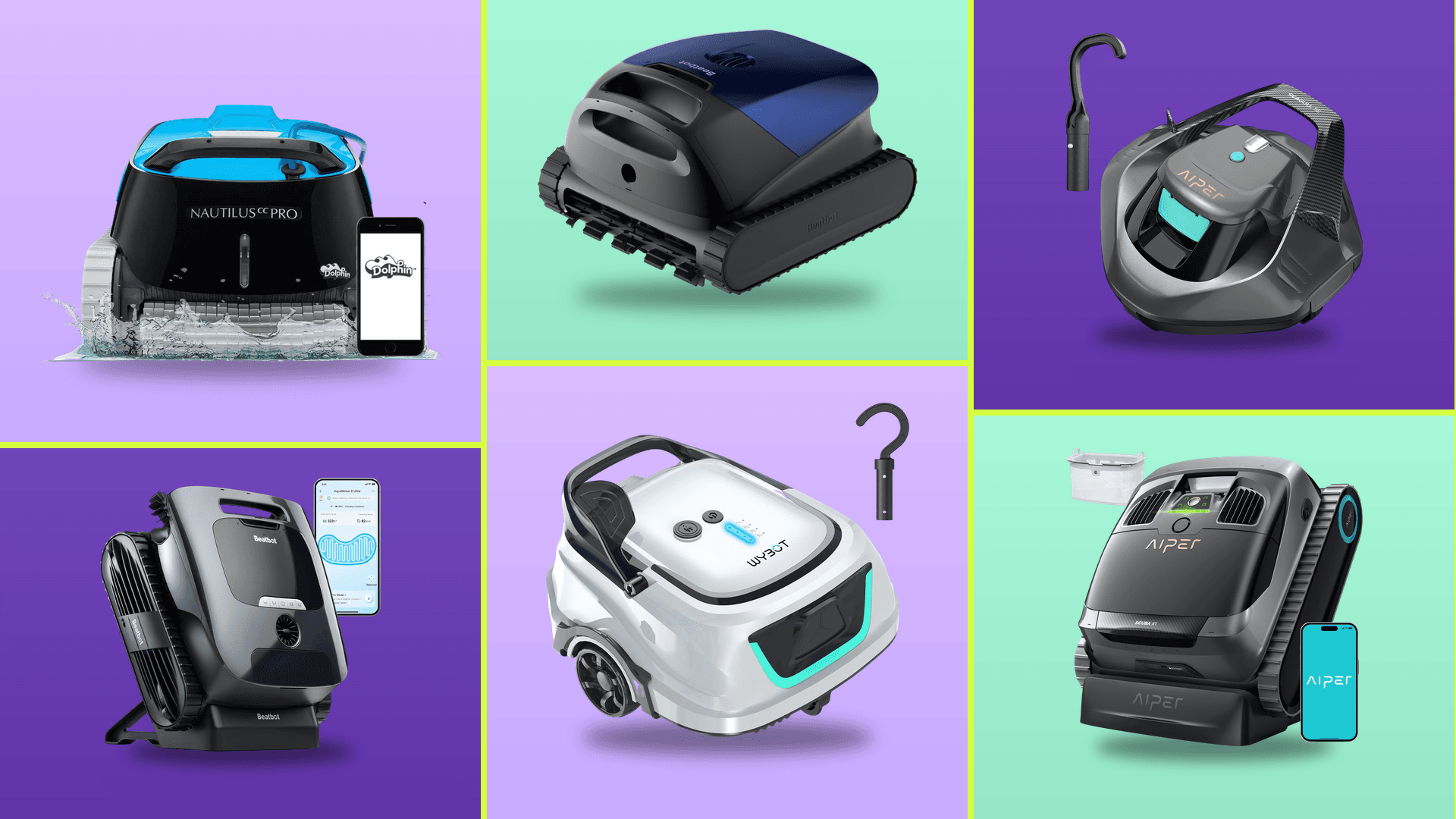
We ranked six of the current field's strongest robotic pool cleaners, each winning a specific job rather than a single overall crown. Prices on these models move week to week, so live pricing is shown on each pick instead of a figure that goes stale.
Quick Comparison
 1
1Credit: Amazon
Dolphin Nautilus CC Pro Pool Cleaner
2Credit: Amazon
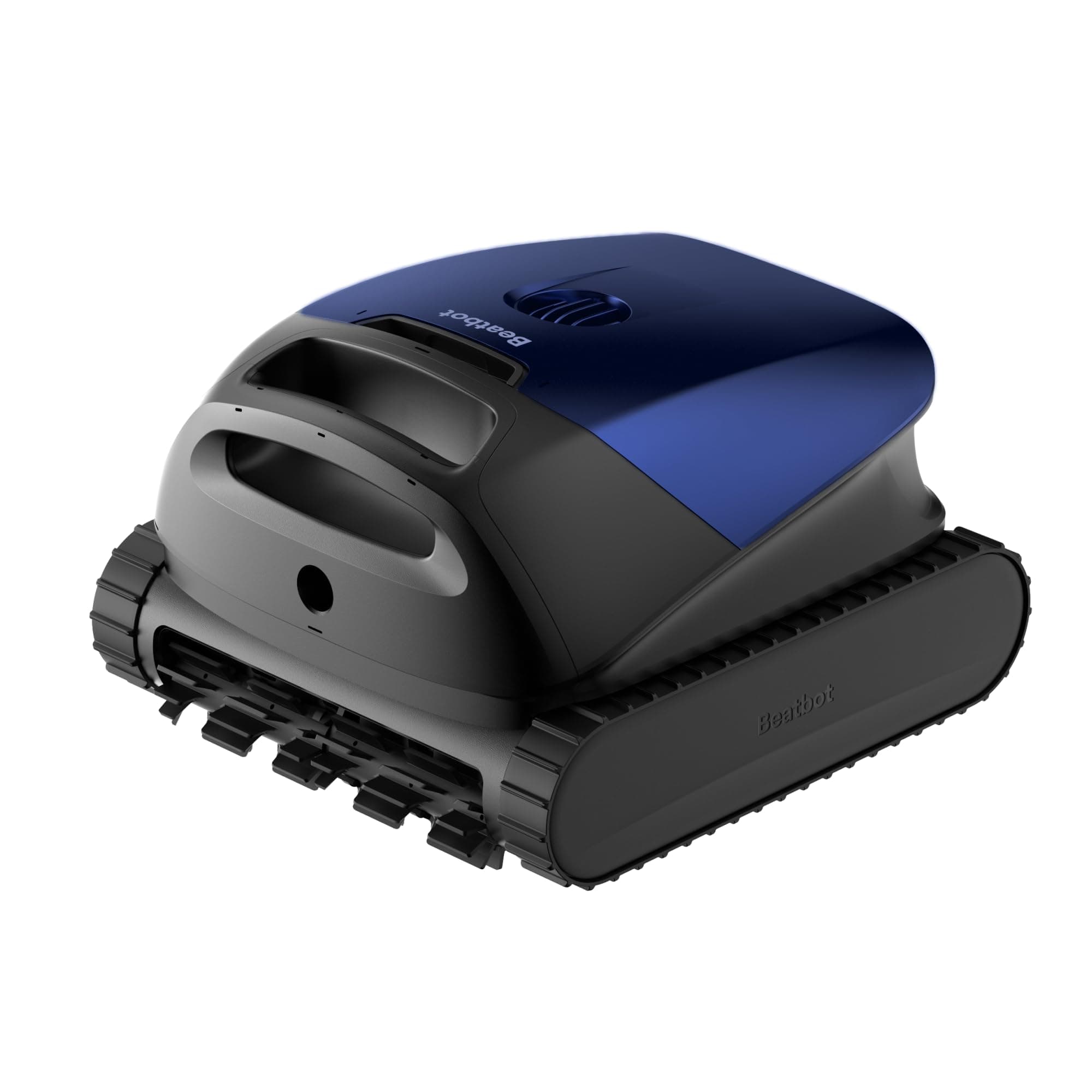
Beatbot AquaSense 2 Ultra Pool Robot
3Credit: Amazon
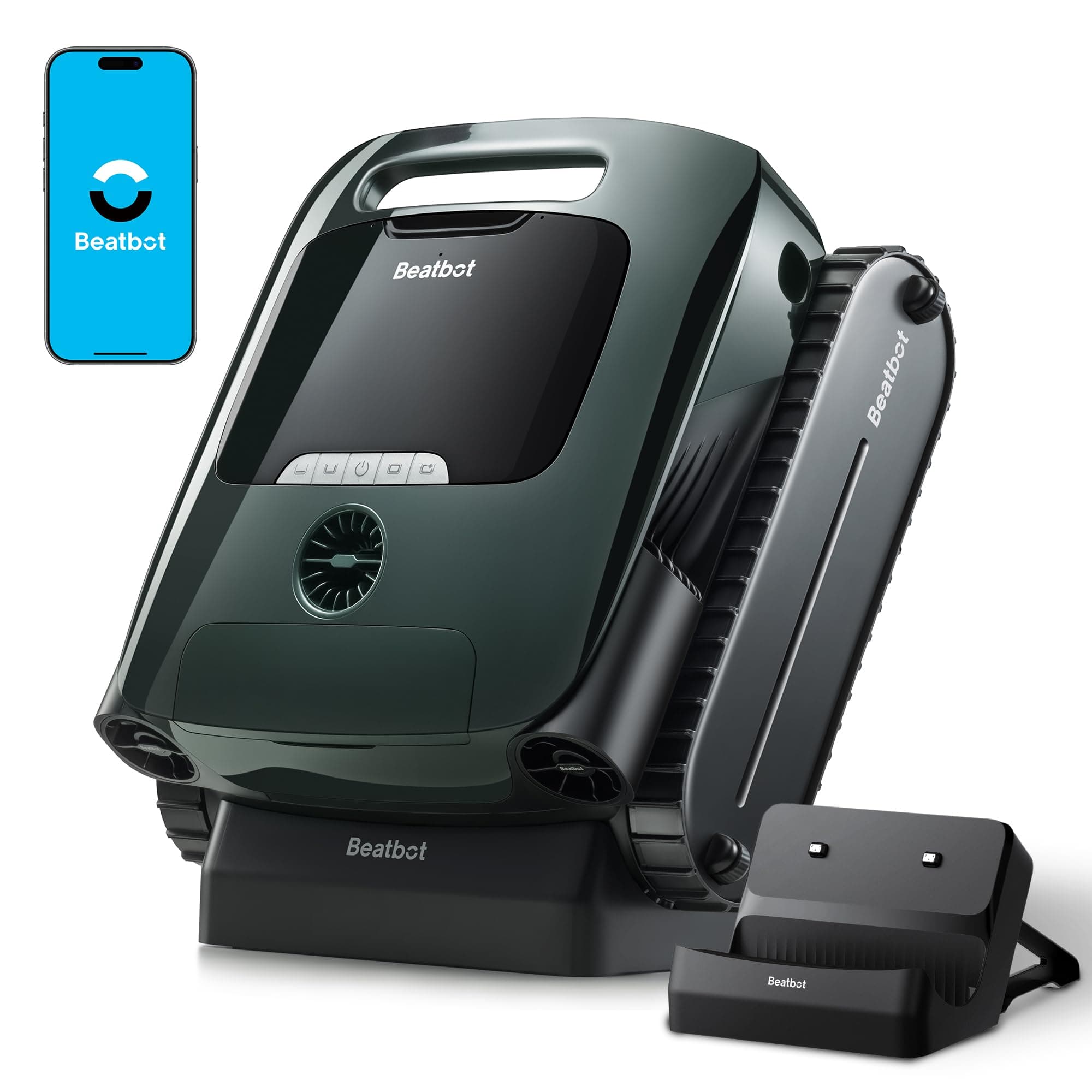
Beatbot Sora 10 Cordless Pool Vacuum
4Credit: Amazon
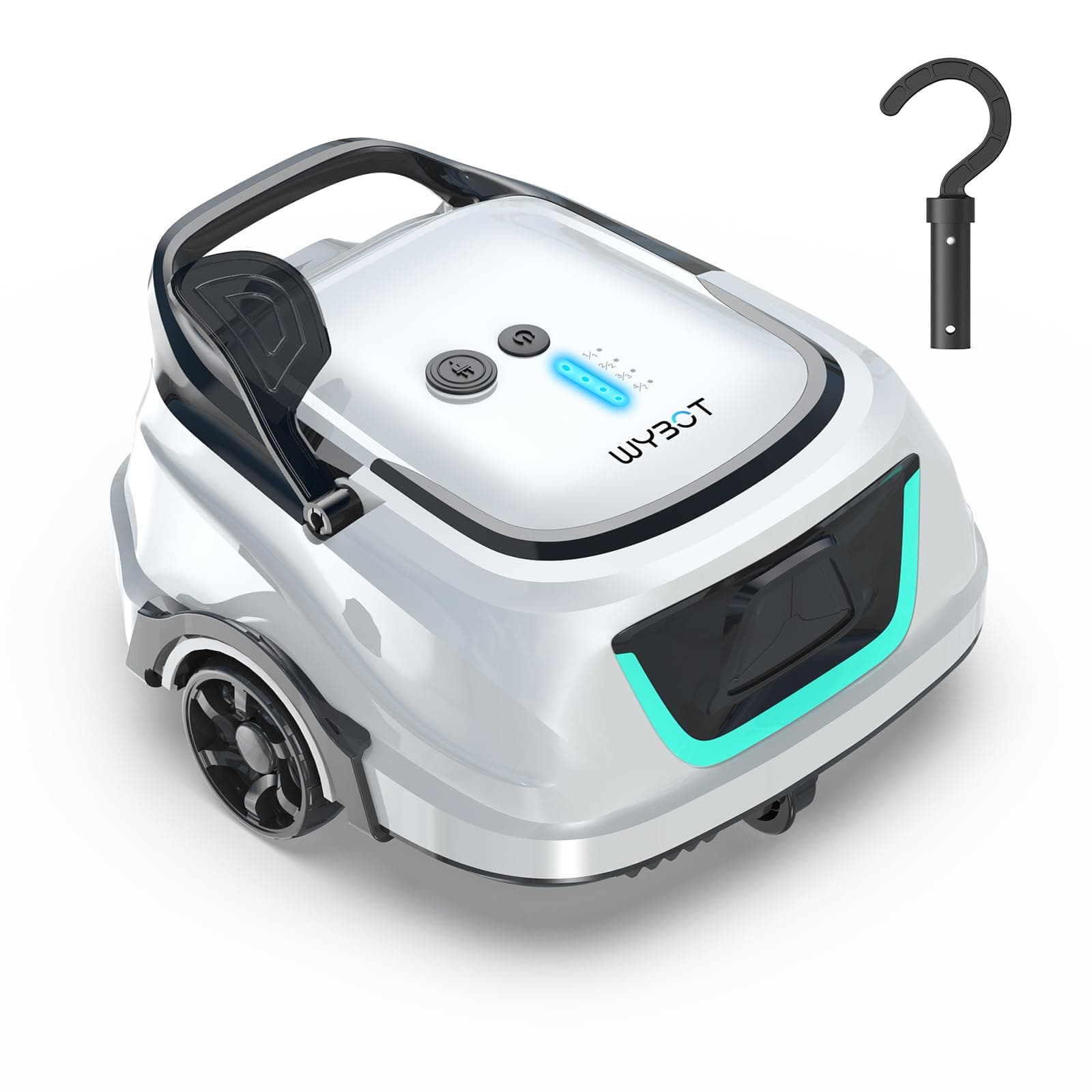
WYBOT A1 Cordless Pool Vacuum
5Credit: Amazon
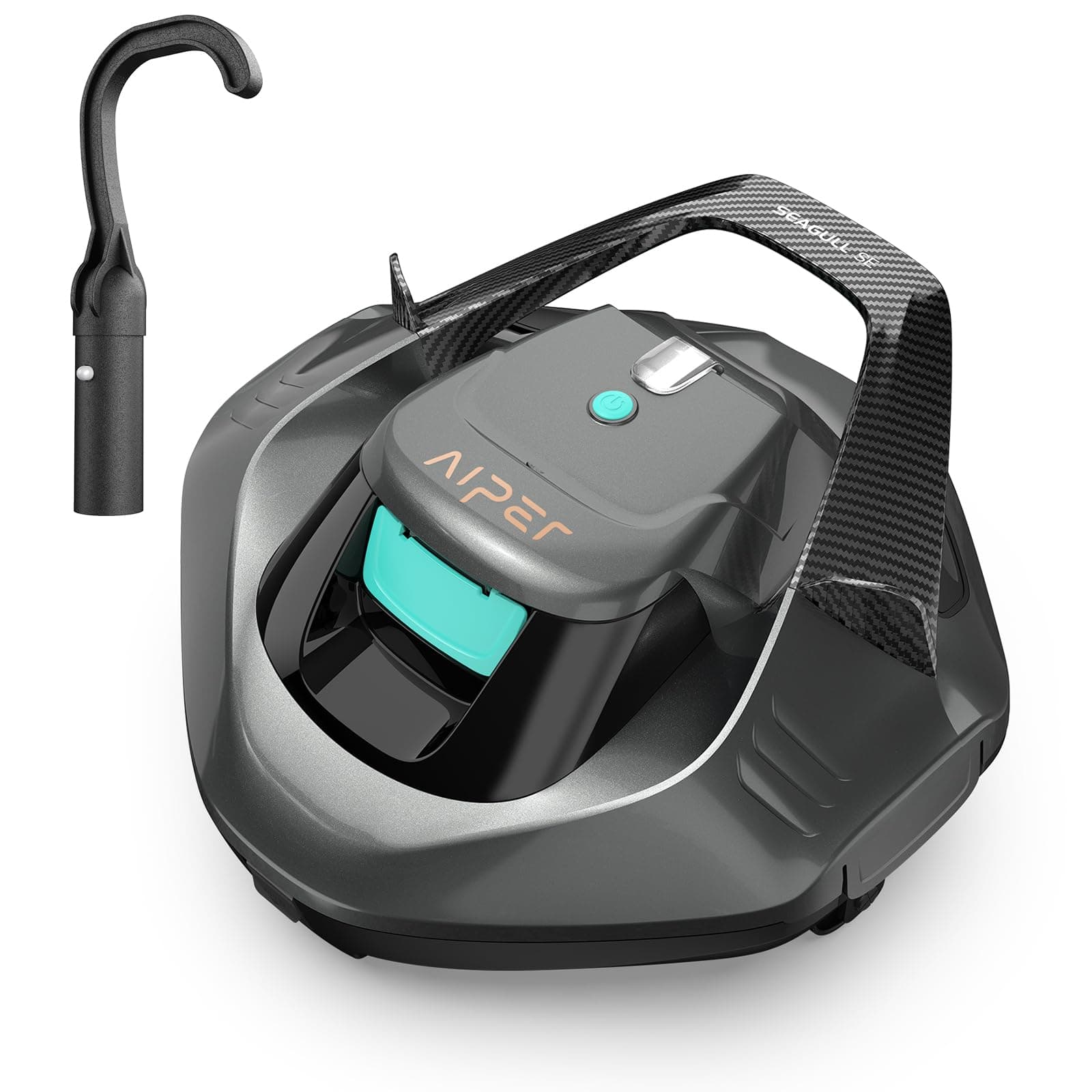
AIPER Seagull SE Cordless Pool Vacuum
6Credit: Amazon
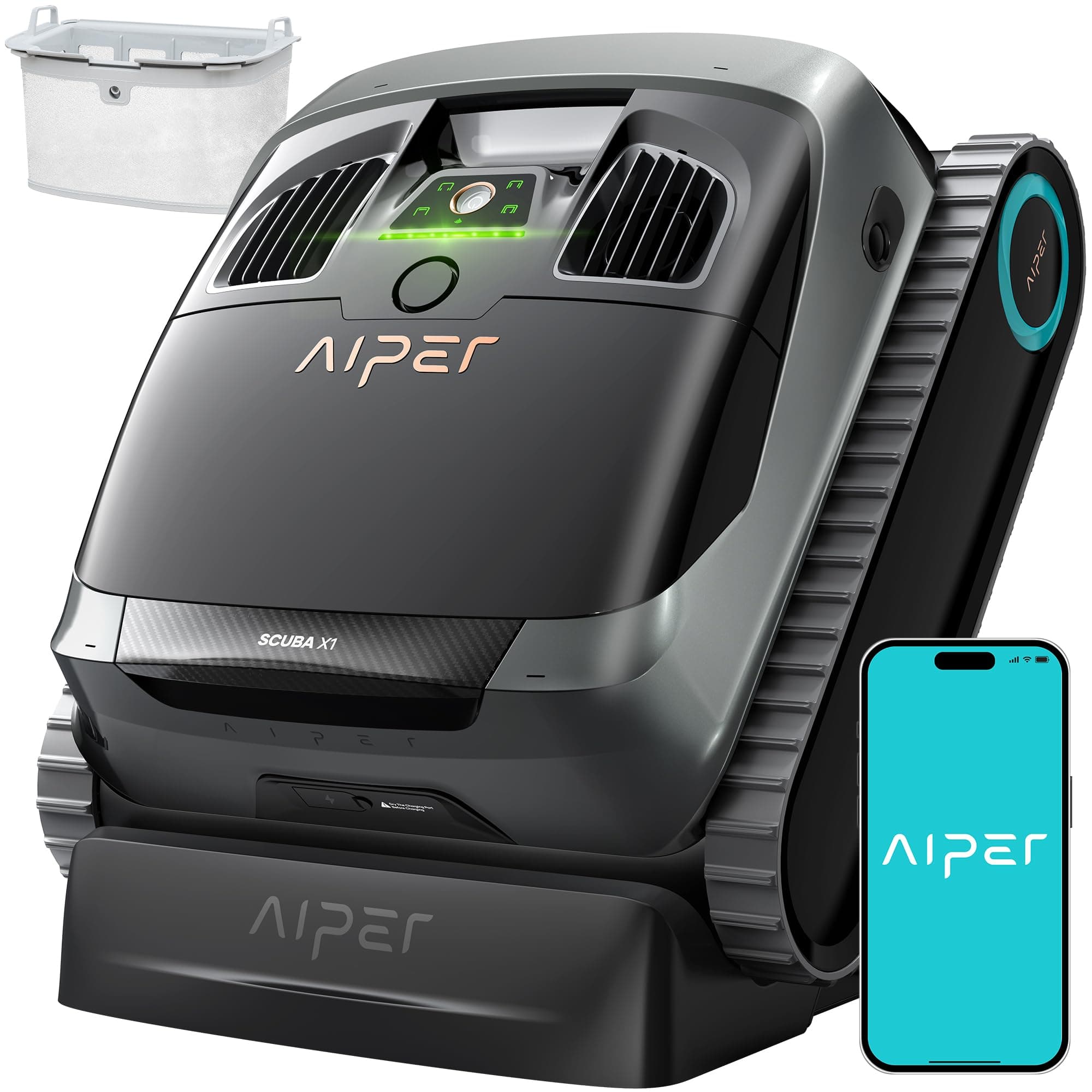
AIPER Scuba X1 Cordless Pool Robot
7Credit: Amazon
Ultenic Cordless Robotic Pool Cleaner
8Credit: Amazon
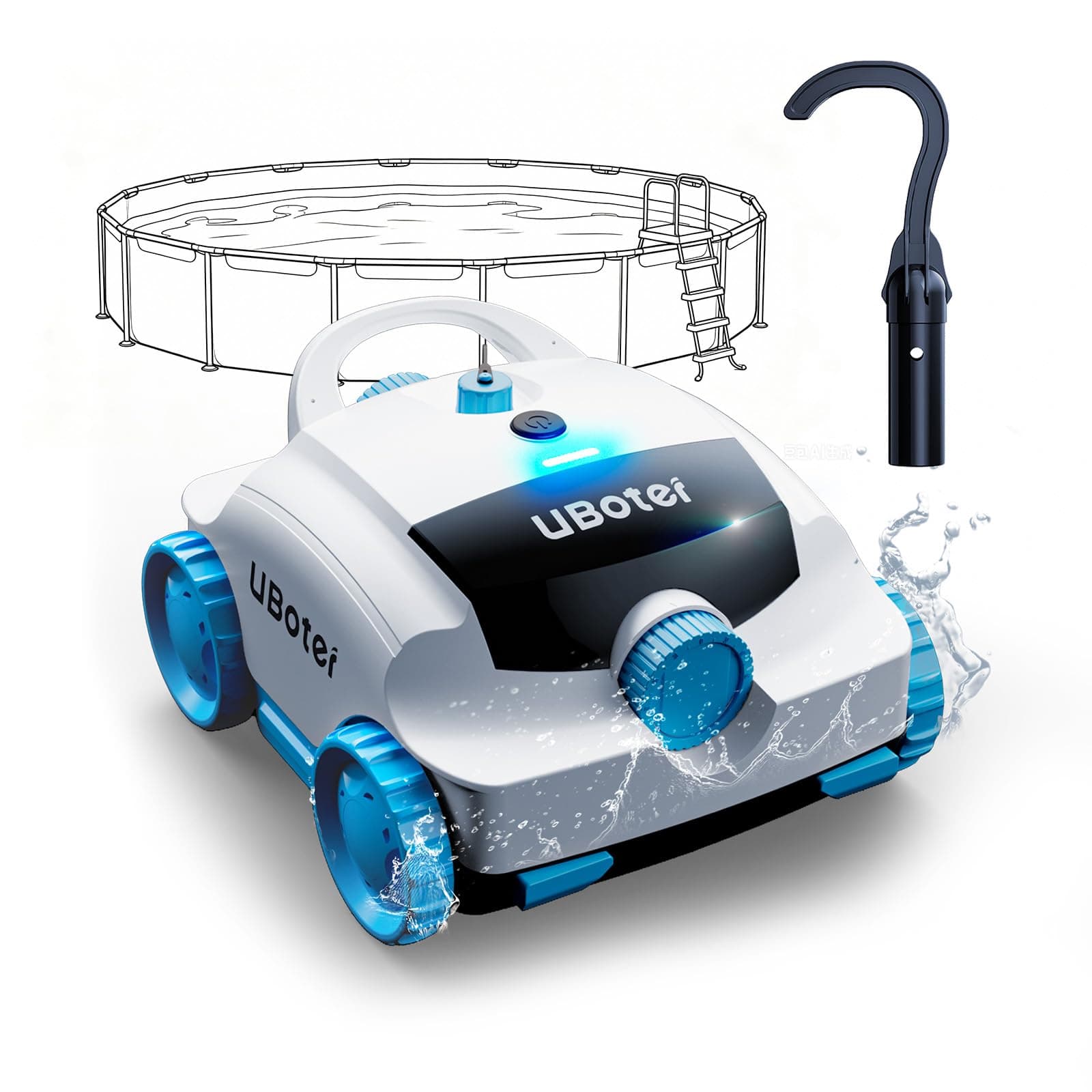
UBoter E10 Cordless Pool Vacuum
9Credit: Amazon
BOTLUXE PC10 Cordless Robotic Pool Vacuum
10Credit: Amazon
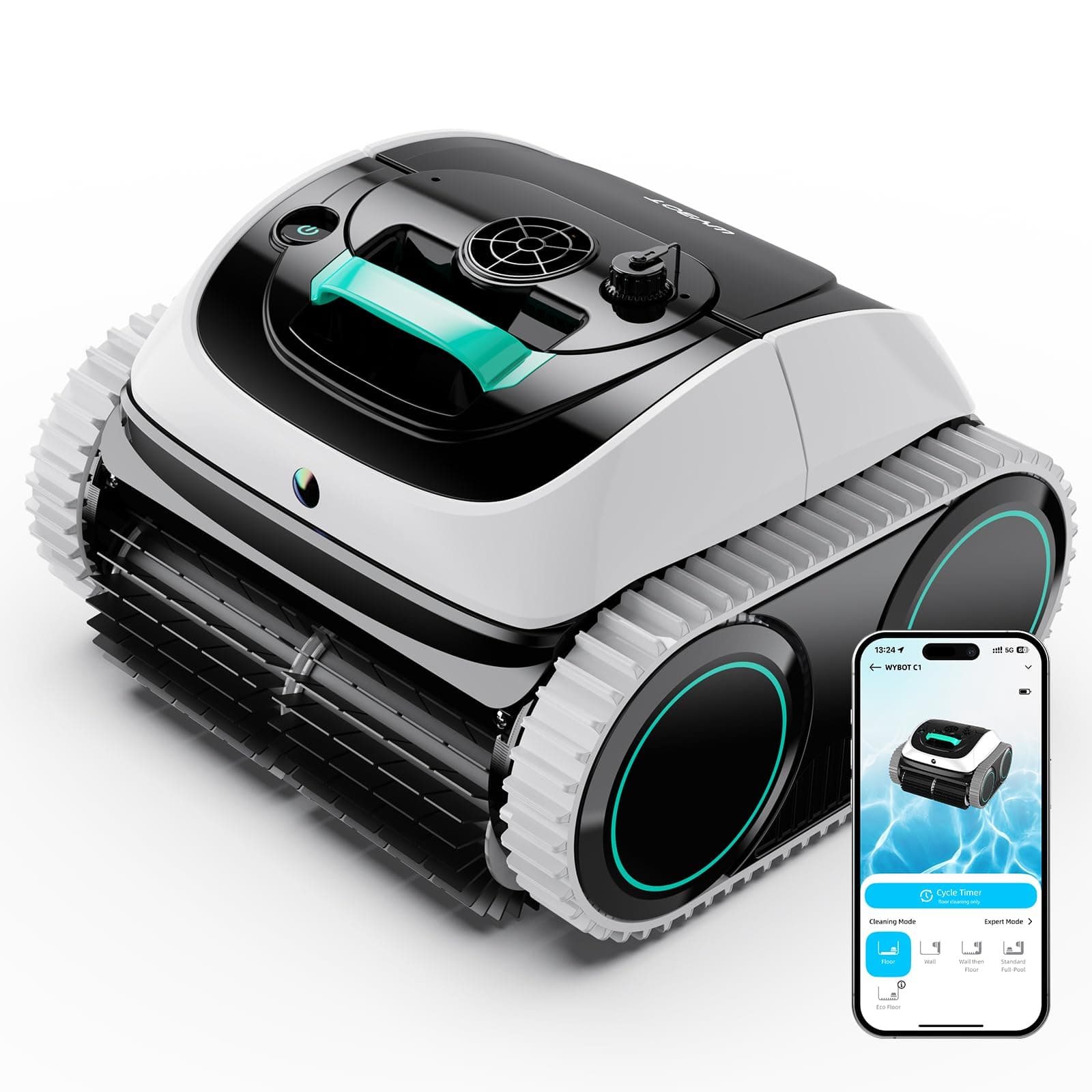
WYBOT C1 Cordless Robotic Pool Cleaner
11Credit: Amazon
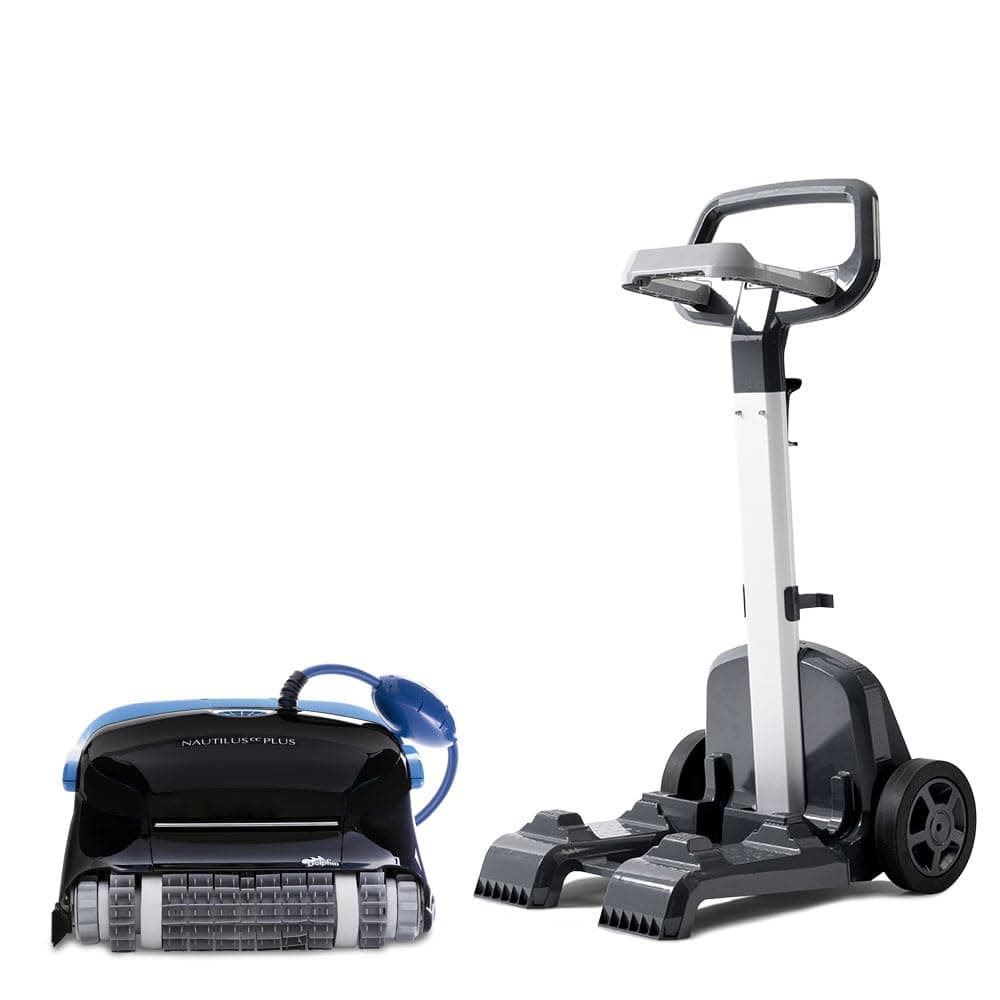
Dolphin Nautilus CC Plus Pool Cleaner
12Credit: Amazon
Beatbot AquaSense 2 Pro Pool Robot
13Credit: Amazon
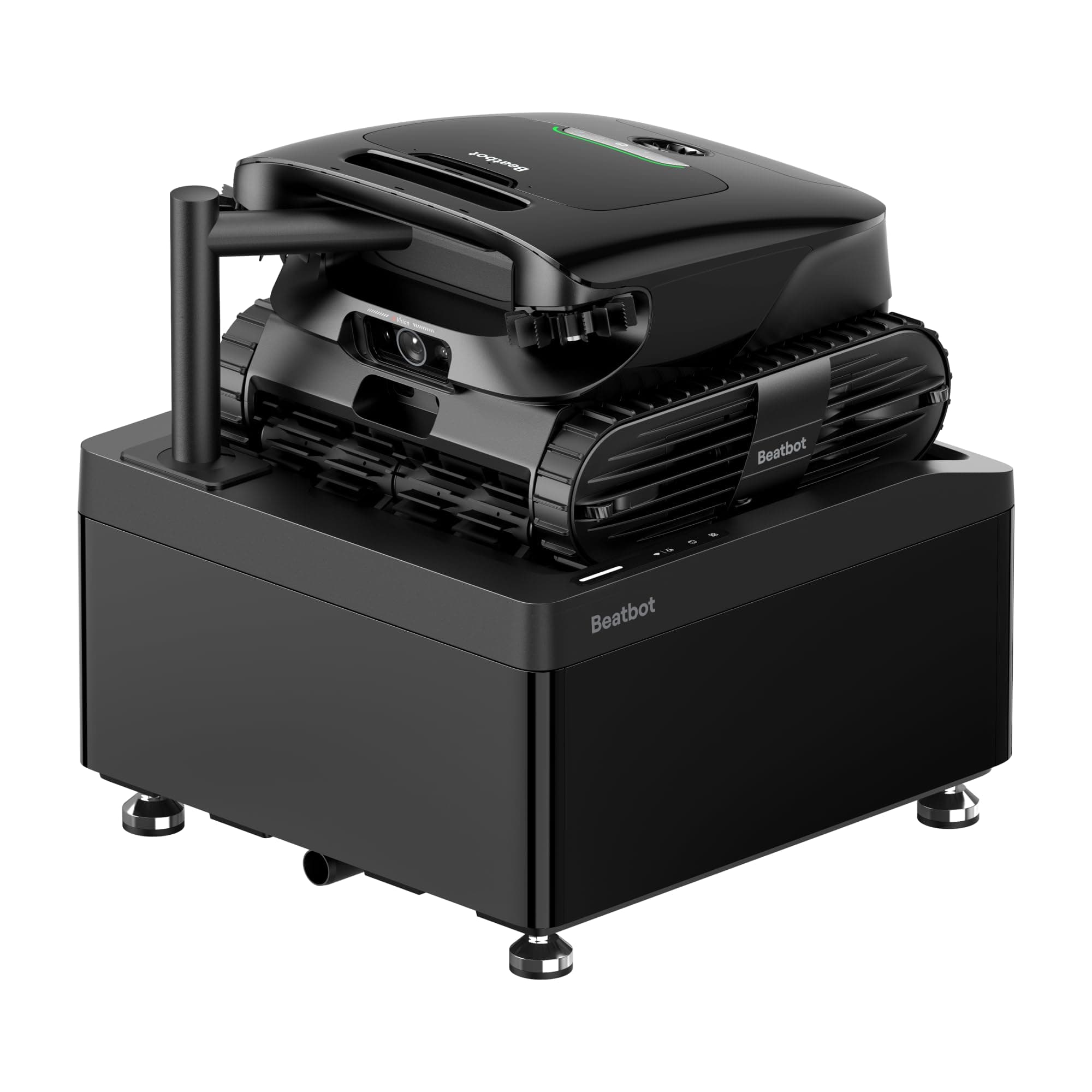
Beatbot AquaSense X AI Pool Robot
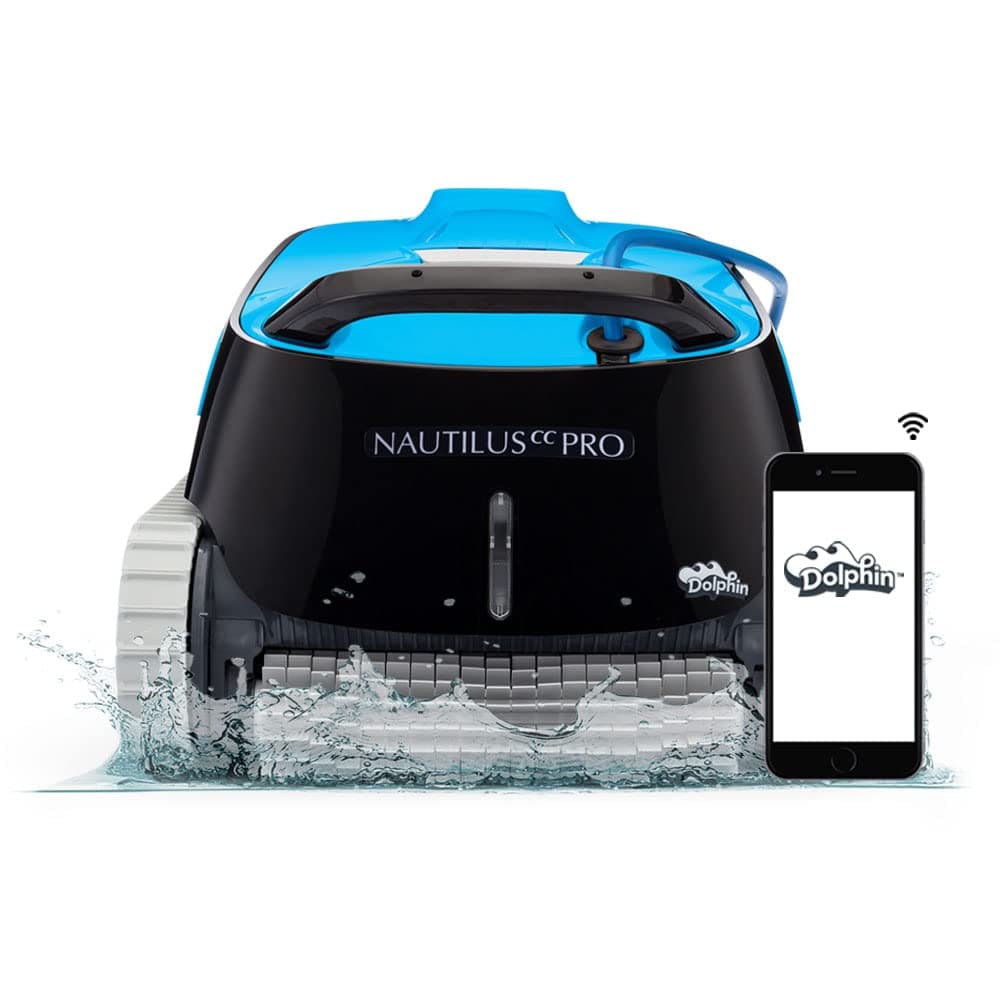
Dolphin Nautilus CC Pro Pool Cleaner
Credit: Amazon
Where to Buy
Key Specs
Score Breakdown
What We Like
- Corded power means consistent suction and no charging
- Cleans floor, walls, and actively scrubs the waterline
- App scheduling with a low-tangle 60 ft cord
What Could Improve
- Heavier to lift out than cordless units
- App connectivity can be inconsistent
What to Know
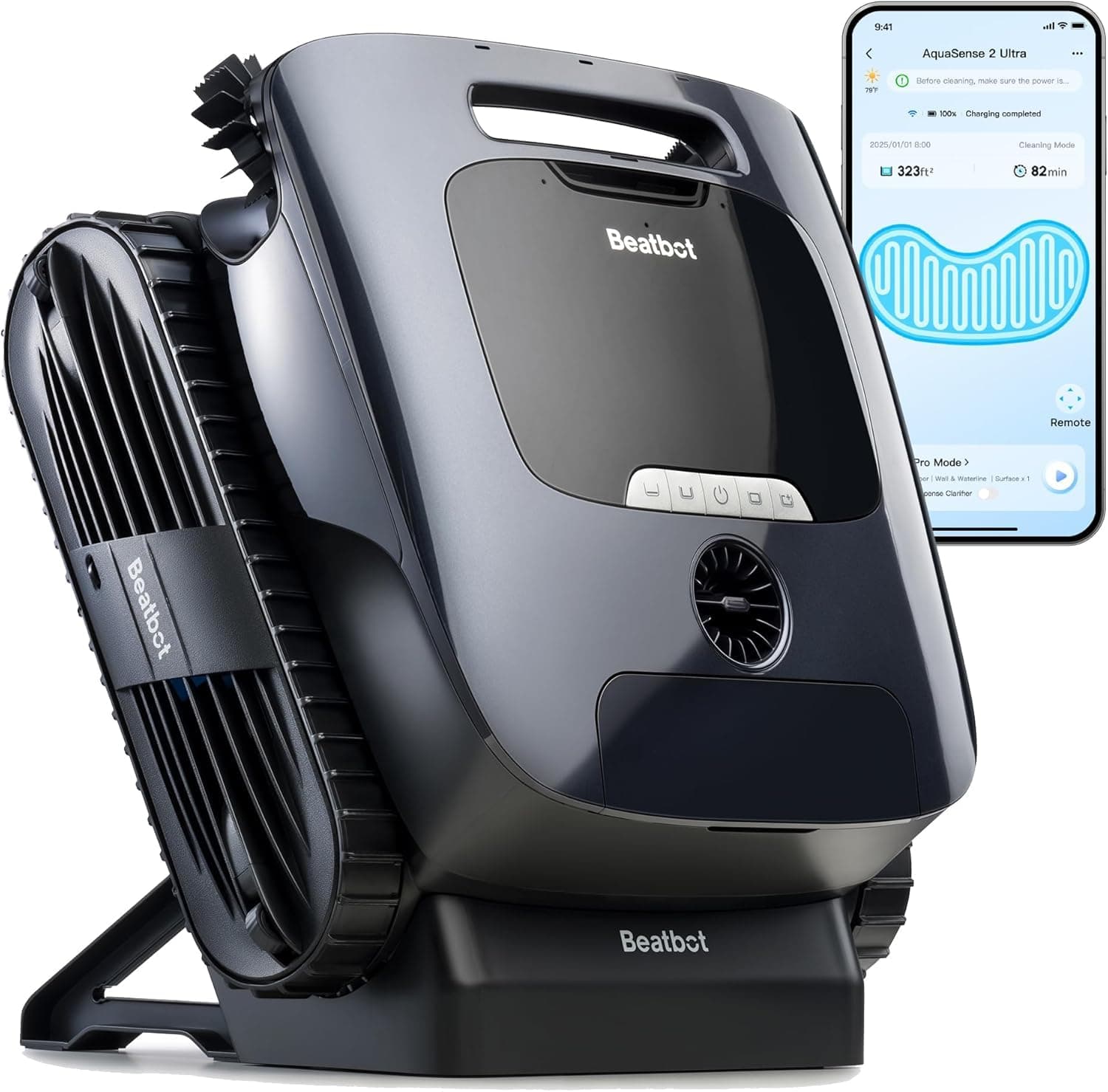
Beatbot AquaSense 2 Ultra Pool Robot
Credit: Amazon
Where to Buy
Key Specs
Score Breakdown
What We Like
- Five-in-one cleaning including surface skimming
- Largest battery and coverage in the cordless lineup
- Smart AI navigation and app control
What Could Improve
- Premium price for the cleaning it delivers
- Suction and filtration trail good corded robots
What to Know
Beatbot Sora 10 Cordless Pool Vacuum
Credit: Amazon
Where to Buy
Key Specs
Score Breakdown
What We Like
- Floor, wall, and waterline coverage at a mid price
- Long rated runtime and self-parking at the waterline
- Strong suction for a cordless unit
What Could Improve
- No surface skimming or water clarifier
- Daily retrieval and charging like all cordless robots
What to Know
WYBOT A1 Cordless Pool Vacuum
Credit: Amazon
Where to Buy
Key Specs
Score Breakdown
What We Like
- Cordless and genuinely simple to run
- Dual-layer filtration for fine and coarse debris
- Affordable and sized for above-ground pools
What Could Improve
- Floor-only, no wall or waterline cleaning
- Suction struggles with heavier debris
What to Know
AIPER Seagull SE Cordless Pool Vacuum
Credit: Amazon
Where to Buy
Key Specs
What We Like
- Lowest entry price for a cordless robot
- Easy, no-setup operation for small pools
- IPX8 rating, 10 ft depth capability
What Could Improve
- Floor-only with random, no-map navigation
- Real-world runtime falls short of the 90-min rating
What to Know
AIPER Scuba X1 Cordless Pool Robot
Credit: Amazon
Where to Buy
Key Specs
Score Breakdown
What We Like
- Smart 14-sensor navigation for even coverage
- Waterline scrubbing above the surface line
- Long runtime and large coverage area
What Could Improve
- Priced above the best-value Sora 10
- Cordless charging and retrieval routine
What to Know
Ultenic Cordless Robotic Pool Cleaner
Credit: Amazon
Where to Buy
Key Specs
Score Breakdown
What We Like
- Very light and easy to lift out at about 7 pounds
- Top-mounted charge port; no flipping the unit to plug in
- Large 2.5L basket with fine 180-micron filtration for sand
What Could Improve
- Independent testing measured only ~35% debris pickup
- Slow wall-reversal wastes runtime idling at obstacles
What to Know
UBoter E10 Cordless Pool Vacuum
Credit: Amazon
Where to Buy
Key Specs
What to Know
BOTLUXE PC10 Cordless Robotic Pool Vacuum
Credit: Amazon
Where to Buy
Key Specs
Score Breakdown
What We Like
- No cord, hose, or booster pump to manage
- Cleans walls and waterline, not just the floor
- 120-minute runtime is strong for the cordless class
What Could Improve
- Corded robots still out-test it on filtration and suction stability
- Battery means a multi-hour recharge between runs
What to Know
WYBOT C1 Cordless Robotic Pool Cleaner
Credit: Amazon
Where to Buy
Key Specs
Score Breakdown
What We Like
- True cordless setup with no hose or power cable to manage
- Convenient top-load filter basket rinses without tools
- Competent waterline cleaning in independent testing
What Could Improve
- Navigation struggles around ladders and obstacles
- Bluetooth app criticized for connectivity and polish
What to Know
Dolphin Nautilus CC Plus Pool Cleaner
Credit: Amazon
Where to Buy
Key Specs
Score Breakdown
What We Like
- Reliable floor and lower-wall cleaning (about 85% floor pickup in testing)
- Convenient top-load filter basket that rinses in a minute
- 70-micron ultra-fine filter catches sand and silt, not just leaves
What Could Improve
- Does not clean the waterline where scum and algae concentrate
- Dated CleverClean navigation can miss stairs and shallow ends
What to Know
Beatbot AquaSense 2 Pro Pool Robot
Credit: Amazon
Where to Buy
Key Specs
Score Breakdown
What We Like
- Standout surface skimming that captures floating leaves and debris
- Smart ultrasonic mapping plans efficient, overlap-free routes
- Consistent suction across floor and wall modes in editorial testing
What Could Improve
- Cordless design means frequent hands-on retrieval, rinsing, and recharging
- Basic two-layer mesh filter for a premium-priced robot
What to Know
Beatbot AquaSense X AI Pool Robot
Credit: Amazon
Where to Buy
Key Specs
Score Breakdown
What We Like
- AstroRinse station delivers the most genuinely hands-free maintenance in the category
- 22 L basket stretches manual emptying to roughly two months
- Strong 6,800 GPH suction handles heavy, waterlogged debris
What Could Improve
- Very expensive: around $3,999 to $4,250 as of mid-2026
- Rinse nozzle does not reach the basket rim or lid, so that area needs occasional wiping
What to Know
How to Choose a Robotic Pool Cleaner
What to consider before you buy
Who This Is For
A floor-focused cordless unit like the WYBOT A1 or AIPER Seagull SE handles flat-bottom pools well and costs far less than a wall-climber you do not need.
Tile lines and curved walls reward wall-and-waterline coverage. The Dolphin CC Pro, Beatbot Sora 10, or AIPER Scuba X1 are built for this.
A corded robot with app scheduling, like the Dolphin CC Pro, never needs charging and cleans on a set timer with the least daily involvement.
Entry-level cordless robots remove most of the manual effort on a small pool; just accept floor-only cleaning and shorter real-world runtime.
Key Factors to Consider
Decide whether you need walls and waterline scrubbing or only the floor. This is the biggest price and performance divide.
Corded means steady suction and no charging; cordless means convenience but daily retrieval and rated runtimes that shorten in practice.
Higher GPH plus a fine filter basket determines whether the robot lifts sand and silt or only chases leaves.
Match the rated coverage area to your pool with headroom, so a cordless unit does not die mid-cycle.
Smart mapping gives even coverage; random bump-and-turn navigation can miss areas and take longer.
Scheduling and remote start are convenient but not essential to a good clean.
Quick Checklist
How We Research
How We Test
Compared manufacturer specifications
We anchored coverage, runtime, suction, and pool-size ratings on each brand's official product pages so every claim traces to a primary source.
Surveyed professional reviews
We cross-referenced independent testing from pool and home publications to see where real-world performance diverges from the spec sheet.
Cross-checked owner-feedback themes
We looked for patterns across verified buyer reports, such as batteries falling short of rated runtime, to flag issues a single review might miss.
Important Warnings
- Never store a cordless robot in direct sun or freezing temperatures, which degrade the battery.
- Avoid running the robot during shock treatments or when chlorine is far above normal levels.
Maintenance Schedule
Remove and hose out the filter basket or cartridge so trapped debris does not choke suction.
Clear hair, leaves, and grit from the brushes and drive tracks so the robot keeps traction and coverage.
Recharge after use and store the unit in a shaded, dry spot rather than leaving it in the pool.
On corded models, look over the cable for nicks or kinks that can cause tangling or failure.
Related Posts
Buying Guides — Best Back to School Dorm Essentials 2026: 6 Research-Backed Picks
Skip the 75-item packing list. These six research-backed dorm essentials solve the problems every residence-hall student actually hits, from communal bathrooms to outlet shortages, all verified at July 2026 deal prices.