Peak Design Packing Cube Review: Worth the Splurge?
 Abdulwahab Suleiman·August 2, 2026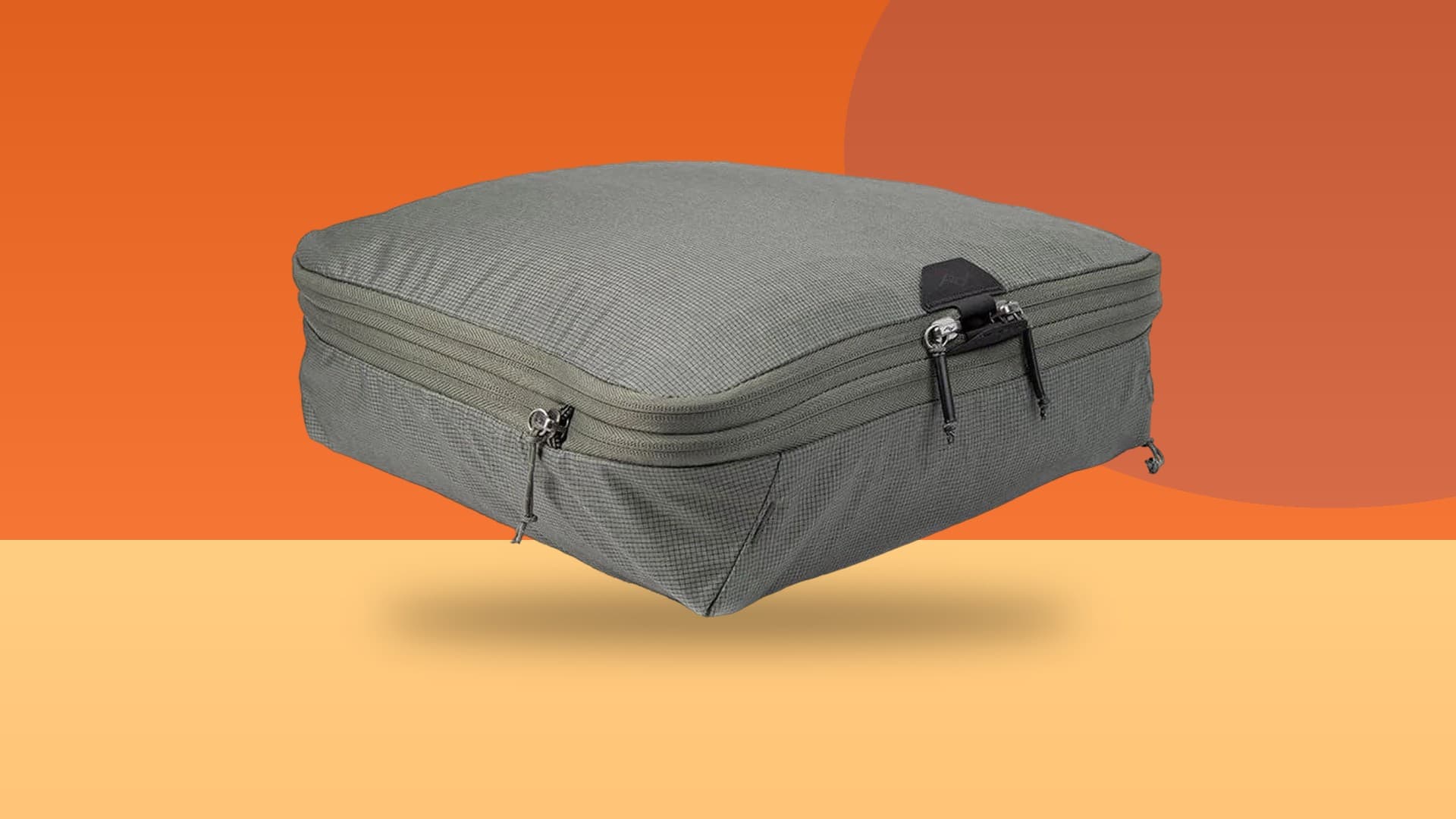
Our Verdict
Quality
Value
Features
Design
Performance
The Good
- Weatherproof, self-healing shell that shrugs off abrasion and light rain
- UltraZip dual-tab opening is the fastest, most convenient access in its class
- Two-compartment interior makes clean/dirty separation effortless
- Real expansion and compression range from a single cube
- Lifetime warranty and Fair Trade Certified, recycled construction
The Bad
- Costs several times more than a full budget cube set
- Compression zipper can snag the interior mesh if closed carelessly
- Limited color options make same-shade cubes hard to tell apart
- Fewer size choices than sprawling budget multi-packs
Zuqqis rates this 3.4 out of 5. The score is derived from our own assessment of quality, value, features, design, performance, weighted by what matters most to buyers. We research published specifications, independent testing and verified owner feedback — we do not accept payment for ratings. How we rate
Peak Design Packing Cube at a glance
The Peak Design Packing Cube is the organizer you reach for when you have decided that "cheap and cheerful" is no longer good enough. At roughly $39.95 for the Medium as listed on Amazon, a single cube costs more than an entire multi-cube set from a budget brand. So the real question this Peak Design packing cube review has to answer is not "is it good" (it clearly is) but "is it worth several times the price of the competition."
The short version: this is a genuinely well-engineered cube built around a weatherproof recycled shell, a clever dual-zip quick-access system, and a lifetime warranty. It earns its reputation. Whether it earns its price depends entirely on how you travel and how long you plan to keep it. Below, we break down the materials, the two-compartment design, the sizing, and exactly who should splurge and who should not.
Where to Buy
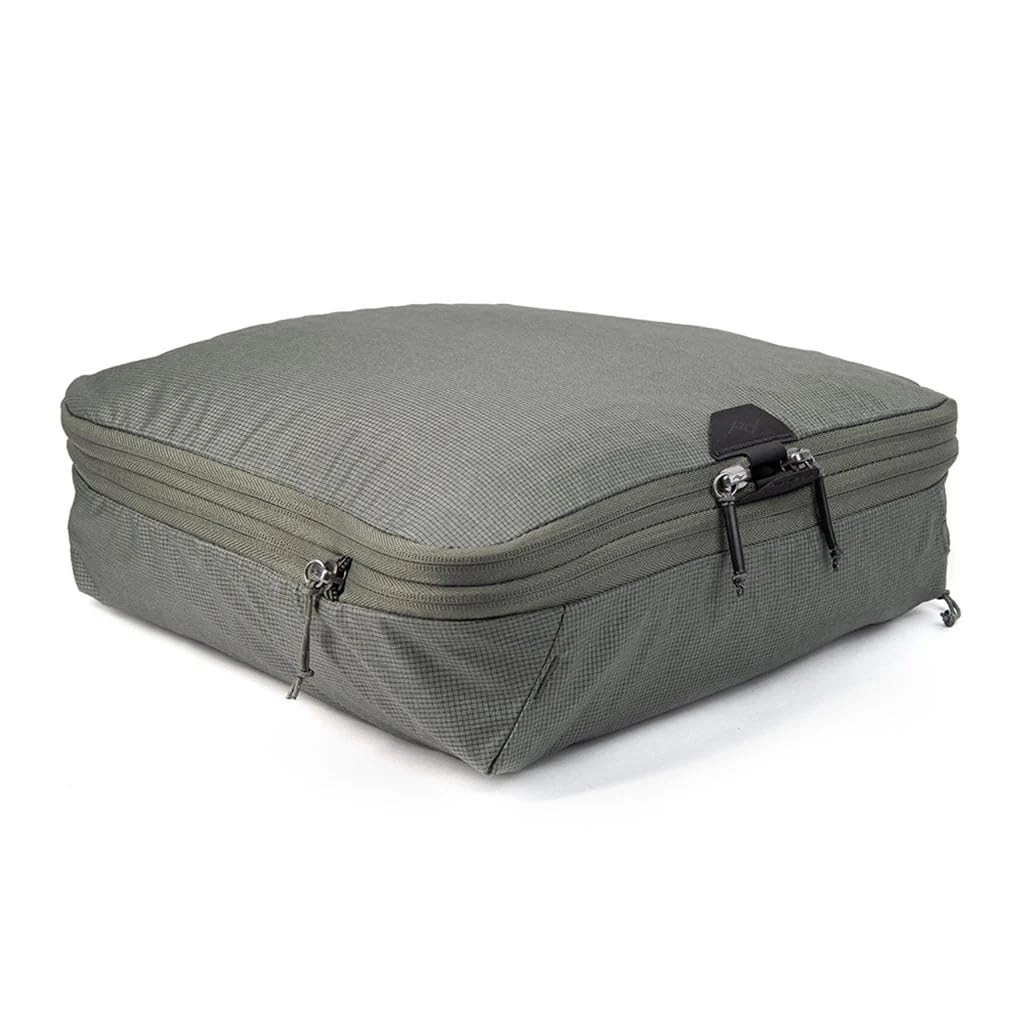
The Medium Peak Design Packing Cube in Sage. The two exterior zip pulls are the heart of its quick-access design.
How we researched this review
We do not run a travel lab, so our confidence comes from cross-checking three independent layers of evidence. First, we anchor every material and dimensional claim on Peak Design's own published product specifications. Second, we weigh those specs against detailed, reputable third-party assessments, most notably the in-depth teardown from Pack Hacker, which scored the cube 8.2/10, and a long-term field write-up from Forbes. Third, we look for consensus across multiple editorial outlets before treating any strength or flaw as real. When a claim only shows up in one place, we leave it out.
What you actually get: specs and features
Peak Design sells the standard Packing Cube in a small family of sizes and treats it as part of a modular "packing unit" system. The core of the product is not really the shape, since most cubes are rectangles, but the construction and the way it opens.
A weatherproof, self-healing 70D shell
The outer shell is a 100% recycled weatherproof Versa Heal 70D ripstop nylon-poly blend with a durable water-repellent (DWR) coating, per Peak Design's spec sheet. "Versa Heal" refers to the fabric's self-closing behavior: the weave is designed to close back around small punctures and abrasions rather than run into a growing tear. In practice that means the cube shrugs off the scuffs of being crammed into a bag day after day, and light rain on a hotel-room floor or an open trunk is not a crisis. Pack Hacker's reviewers described the materials as "rock-solid," which matches the manufacturer's own durability framing.
This is the single biggest thing your money buys. Most budget cubes use a thin polyester face and a large mesh top panel. That mesh is breathable and lets you see your clothes, but it offers no weather protection and tears easily. Peak Design trades the see-through convenience for a shell you can treat roughly.
The dual-compartment UltraZip system
The standout feature is how the cube opens. Instead of one big U-shaped zipper, Peak Design uses what it calls the UltraZip — two Hypalon pull tabs on the exterior that you grab and pull apart to "tear" the whole cube open in one motion. Pack Hacker called it "easily the most convenient access we've seen," and it is the detail owners tend to mention first.
Inside, an internal divider splits the cube into two compartments, one on each face. The obvious use is separating clean clothes from dirty laundry as a trip goes on, but it works just as well for dividing categories: tops on one side, base layers and socks on the other. It is a small idea executed cleanly, and it is the kind of thing that is genuinely useful every single day of a trip rather than a spec-sheet gimmick.
Expansion and compression in one cube
A third zipper lets the cube expand for bulkier loads and then cinch back down to compress the contents. Peak Design lists the Medium at roughly 12.6 by 12.6 inches, around 3.1 inches thick when compressed and up to about 6.7 inches when fully expanded. That range is what lets one cube handle both a light weekend and an over-packed week. The compression is real, though it is worth flagging the most common gripe: Pack Hacker noted that the compression zipper can occasionally snag the stretchy interior mesh, so you close it with a little care rather than a careless yank.
Sizes: Small vs. Medium and the packing unit system
Peak Design organizes its cubes by "packing units" so you can plan how they stack inside a bag. The Small counts as one unit, the Medium as two, and the larger sizes scale up from there. Weight stays impressively low across the range: the Small comes in at about 3.99 ounces and the Medium at roughly 5.1 ounces, according to Pack Hacker's measurements.
For capacity, reviewers put the Small at around ten shirts and the Medium at roughly twenty. For most people, the Medium, the version covered in this review, is the sweet spot: it holds a long-weekend-to-week wardrobe on its own, and two of them fill a carry-on neatly. If you pack light or want to isolate a single category, the Small pairs well alongside it. One fair criticism from Pack Hacker is that the color range is limited, which makes it harder to tell cubes apart at a glance if you own several in the same shade.
How it compares to cheaper compression cubes
This is where the buying decision gets interesting, because plenty of cheaper cubes compress too. The difference is what you give up to get there.
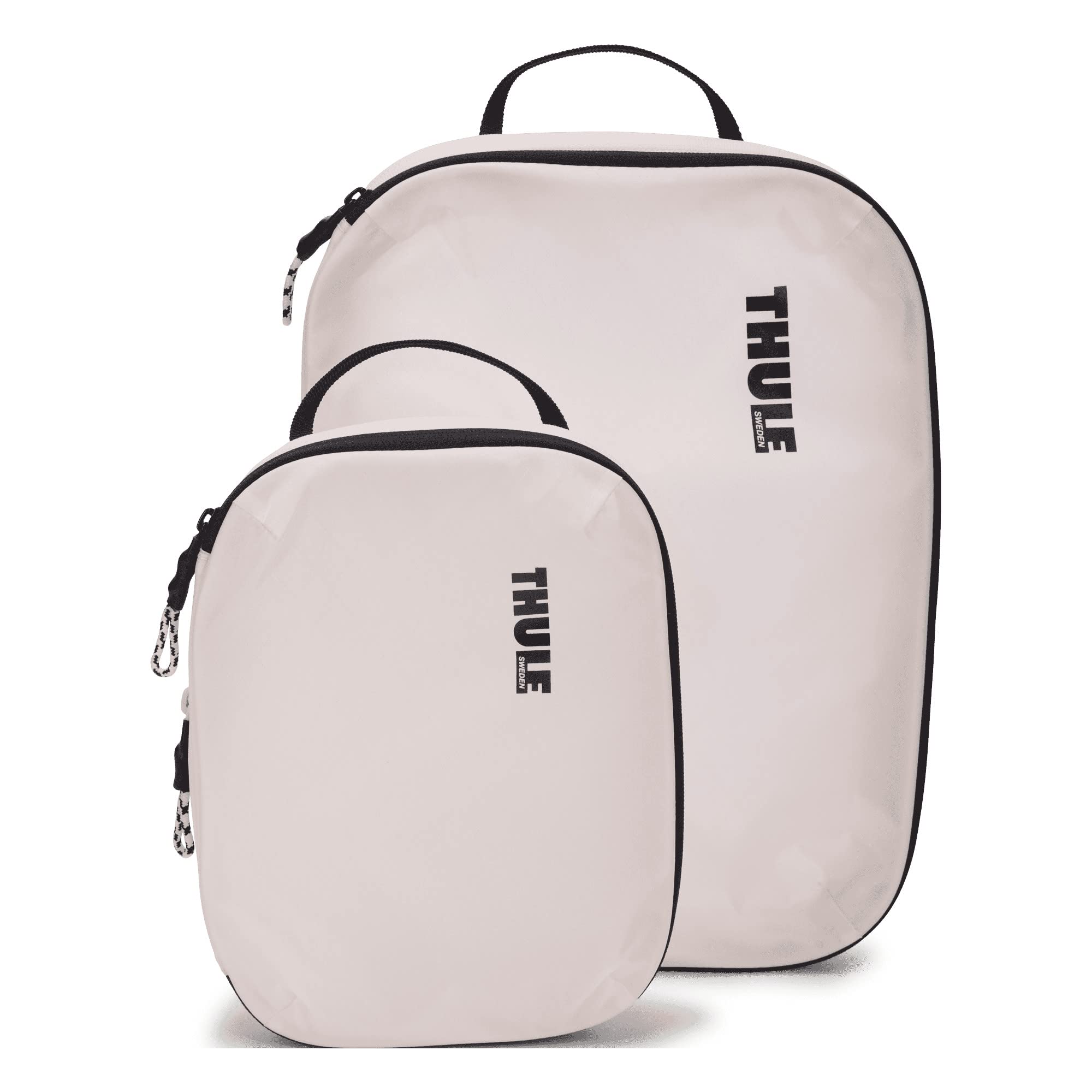
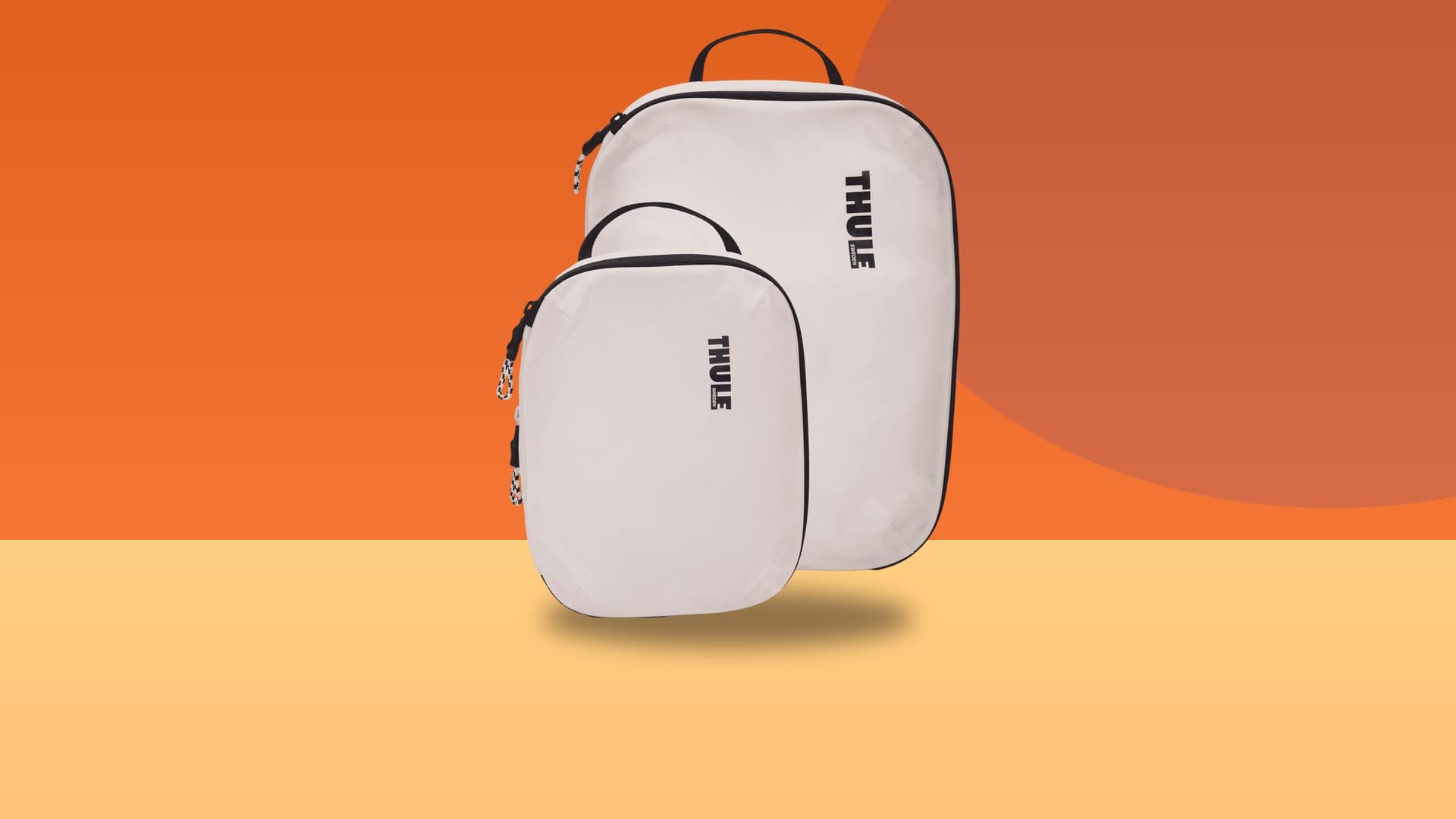
Thule's compression set is a natural mid-price rival: sturdier than budget cubes, but still cheaper than a Peak Design cube.
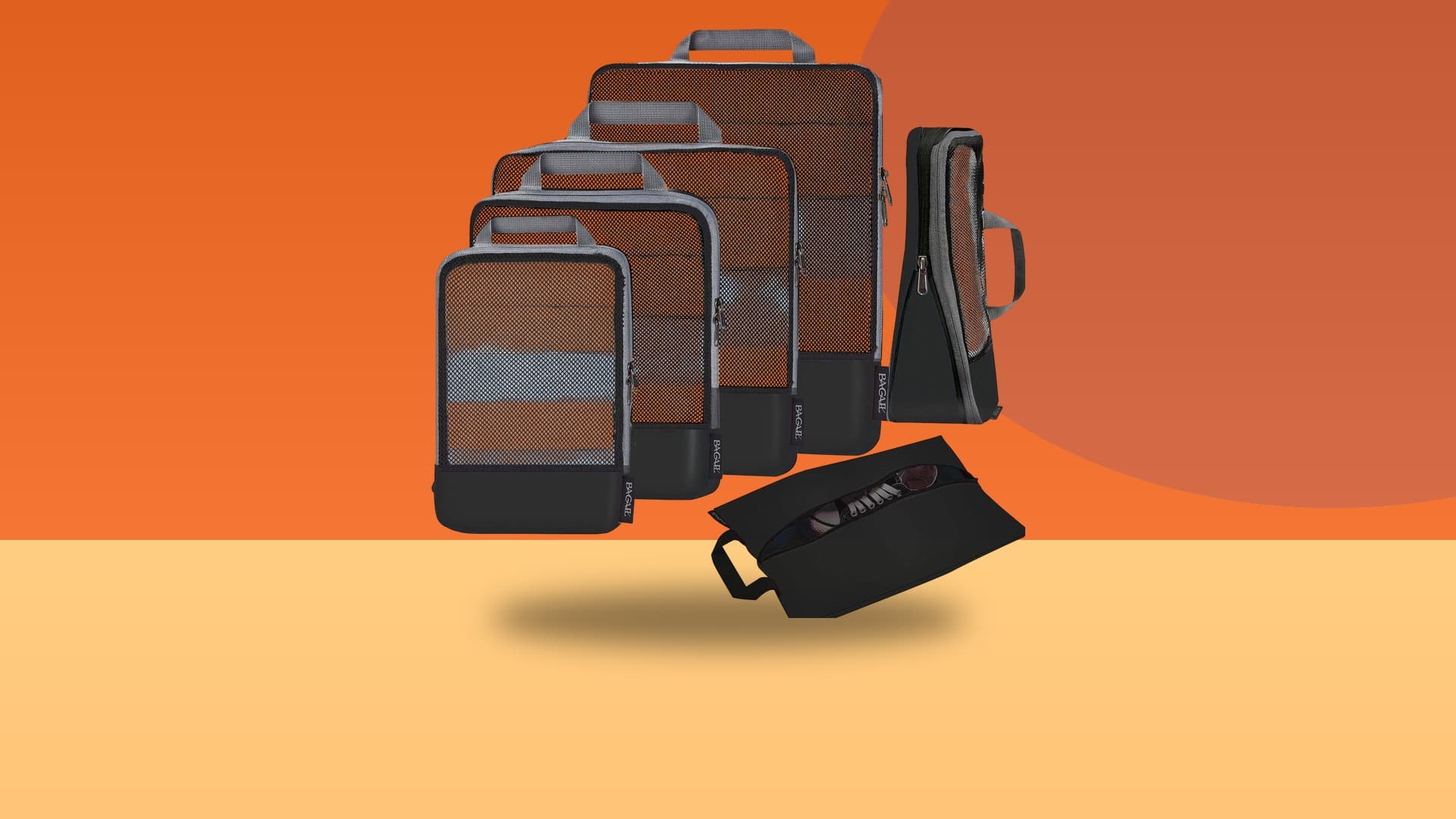
The most direct step down in price-to-quality is a set like Thule's compression cubes, which bring a more premium build than the bargain brands without the Peak Design premium. If you want the head-to-head, we put the numbers side by side in our Thule Compression Packing Cube Set review. Below that sit the true budget compression sets — brands like Gonex — which deliver aggressive compression and a whole bag of cubes for the price of a single Peak Design unit.
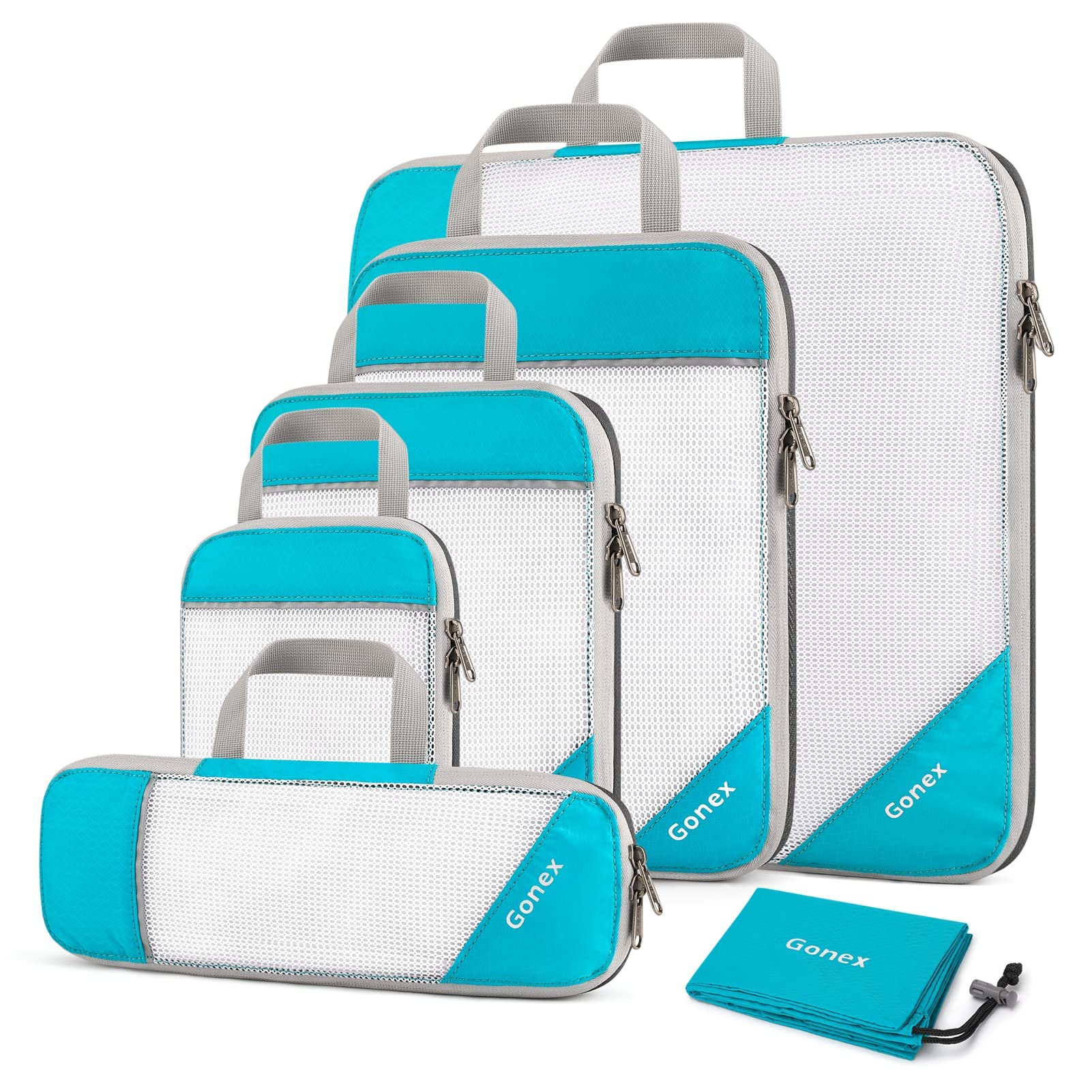
Budget mesh-top compression cubes like Gonex trade the weatherproof shell and quick-access zips for a much lower per-cube price.
The trade-offs are consistent across the budget field: you get mesh-topped panels instead of a weatherproof shell, a conventional single zipper instead of the UltraZip quick-access, thinner fabric that is more prone to abrasion, and typically a limited warranty rather than a lifetime one. None of that makes budget cubes bad, and for an occasional trip they are perfectly fine. It simply means you are buying a different tool. If you want to see the full field ranked, our best packing cubes guide lays out where each brand lands and who each one suits.
Are Peak Design Packing Cubes worth it?
Value here is not about the cube being "better" in the abstract. It is about longevity and how often you use it. Peak Design backs the cube with a lifetime warranty and sews it under Fair Trade Certified conditions, per its product page. Amortize $39.95 over a decade of frequent travel and a self-healing, weatherproof cube you never have to replace looks reasonable. The Forbes long-term write-up echoes this, describing cubes that still looked new after heavy multi-year use.
The math flips if you travel once or twice a year. For an annual vacation, a budget set does the same core job of keeping your suitcase organized at a fraction of the cost, and you will not notice the shell quality often enough to justify the gap. If you are still deciding whether any cube belongs in your bag at all, our honest breakdown of whether packing cubes are worth it is the better place to start before you spend at this tier.
So the Peak Design cube is worth it for frequent travelers, gear-minded packers, and anyone who already owns Peak Design luggage and wants a matched, weatherproof system. It is a hard sell for casual, infrequent trips.
The bottom line
The Peak Design Packing Cube is a premium product that mostly justifies its premium. The recycled weatherproof shell, the genuinely convenient dual-zip UltraZip access, the two-compartment interior, and a lifetime warranty add up to a cube built to outlast the bags you put it in. Its flaws are minor and honest: a compression zipper that needs a gentle hand near the mesh, a thin color selection, and fewer sizes than the sprawling budget sets. If you travel often and keep your gear for years, it is an easy recommendation. If you pack a bag twice a year, spend less and put the difference toward the trip.
Where to Buy
Specifications
- Reviewed size
- Medium (2 packing units), Sage
- Shell material
- 100% recycled weatherproof Versa Heal 70D ripstop nylon-poly with DWR
- Weight (Medium)
- Approx. 5.1 oz (Small approx. 3.99 oz)
- Dimensions (Medium)
- Approx. 12.6 x 12.6 in; 3.1 in compressed to 6.7 in expanded
- Access system
- UltraZip dual Hypalon pull tabs; internal two-compartment divider
- Compression
- Dedicated expansion/compression zipper
- Warranty
- Lifetime warranty; Fair Trade Certified sewing
- Listed price (Medium)
- Around $39.95 (verify current price)
Related Posts