
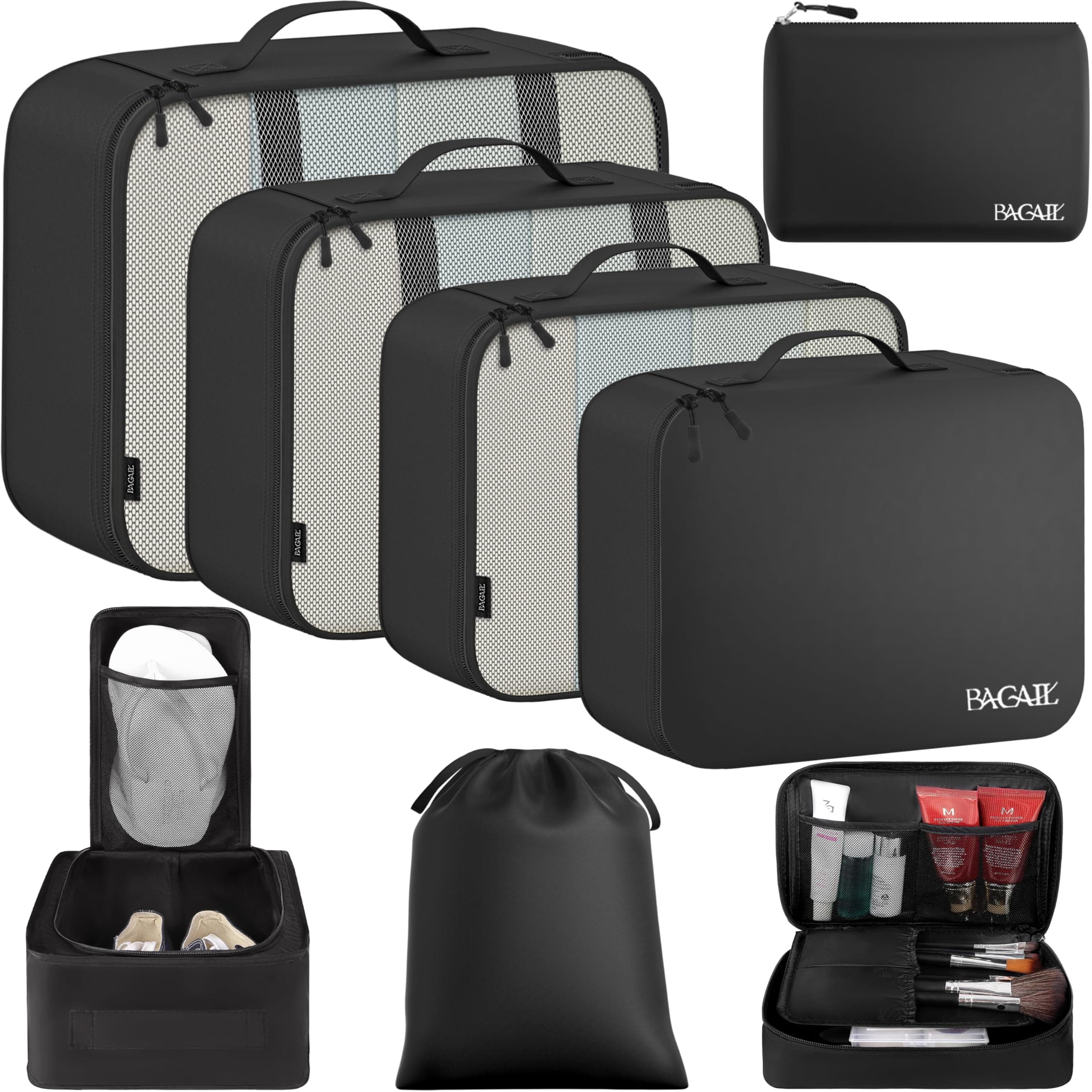
The short answer: it depends on what you actually want them to do
Ask ten frequent travelers whether packing cubes are worth it and you will get a suspiciously confident "yes" every time. Ask them why, and the answers scatter in different directions. One person swears the cubes shrink their wardrobe into half a carry-on. Another says the cubes never saved a cubic inch but changed the way they travel anyway. Both can be right, because "worth it" hides two very different questions inside one phrase: do packing cubes save space, and do they make packing better? The honest answer is that most cubes are excellent at the second job and only sometimes good at the first.
That distinction matters before you spend a cent. If you are buying cubes expecting them to compress a week of clothes into a daypack, you may be disappointed unless you specifically buy compression cubes. If you are buying them so your suitcase stops looking like a laundry explosion every time airport security opens it, you will almost certainly be happy. This guide walks through what the evidence actually shows, using measured tests from travel publications rather than marketing claims, so you can decide which camp you fall into. If you already know you want a set and just need picks, our best packing cubes guide ranks the standouts by traveler type.
It helps to name the psychology at work, too. Packing is one of those chores that carries more dread than it deserves, and a lot of the appeal of cubes is that they defang it. A system, even a simple one, turns an open-ended "pack everything" task into a series of small, finishable jobs: fill the tops cube, fill the bottoms cube, zip, done. That feeling of control is genuinely part of what people are paying for, and it is worth acknowledging honestly rather than pretending the only thing that matters is cubic inches. Once you separate the emotional payoff from the spatial one, the whole "worth it" debate gets a lot clearer.
Do packing cubes actually save space?
This is the claim that sells cubes, and it is also the one people get most wrong. The blunt version: regular packing cubes usually do not create meaningful extra room in your bag. They organize the room you already have. Compression cubes are the ones that buy back real volume, and even they have limits.
The clearest test comes from AAA, which packed the same clothes three ways and measured the result. Their conclusion was that "compression packing cubes conserved the most space," followed by traditional rolled clothes, while standard cubes were the least space-efficient of the three, leaving a suitcase that barely closed over them. In other words, if your baseline is neatly rolled clothes, plain cubes can cost you a little space rather than save it, because the fabric walls and rectangular shape leave dead air in the corners of a curved suitcase. That finding is worth sitting with, because it contradicts the single most common reason people buy cubes (AAA Club Alliance).
So where does the "cubes save space" belief come from? Mostly from people who previously packed haphazardly. SmarterTravel makes this point directly: packing cubes generally will not save space "unless you previously packed haphazardly," in which case the discipline of packing into fixed compartments forces you to fold and stack efficiently (SmarterTravel). The cube is not doing anything magic. It is imposing a shape that makes you pack better. If you already roll and Tetris your clothes like a pro, a plain cube adds tidiness, not capacity.
Regular cubes: organization, not compression
Standard, non-compression cubes are best understood as drawers for your suitcase. Each one becomes a category: tops in one, underwear and socks in another, a "dirty" cube for what you have already worn. They keep those categories from migrating across the bag every time you open it. The trade is that the drawer itself takes up space and enforces a boxy footprint. AAA's test captured the downside plainly, noting that with standard cubes "the suitcase barely closed over the packing cubes" even though the contents were neatly organized. You gain order; you do not gain room.
For a lot of travelers, that is a completely fair trade. Order is the entire point. But it is important to buy with the right expectation, because a regular cube that leaves your bag fuller than before is only "worth it" if you value the organization more than the lost centimeters.
Compression cubes: real volume reduction, with a catch
Compression cubes are a different tool. They add a second zipper that squeezes the air out of the packed clothes, pulling the fibers closer together. This is where measurable space savings show up. SmarterTravel ran a stack test and found regular cubes stood eight inches high, compression cubes dropped that to 6.75 inches, and dedicated plastic rolling compression bags went as low as 5.75 inches. That works out to roughly a 16 percent height reduction from compression cubes versus regular ones, and closer to 28 percent from the more aggressive plastic bags (SmarterTravel).
Sixteen percent may not sound dramatic on paper, but on a packed carry-on it can be the difference between the lid closing and a fight with the zipper. The catch is wrinkles. As that same test put it, "the more you squish stuff, the more wrinkly it will be when you arrive." Compression buys space by mashing fabric, and mashed fabric creases. The practical workaround the article recommends is a hybrid: compress the wrinkle-resistant stuff (knits, polyester, merino, cashmere) and keep linen, silk, and pure cotton in a regular cube or garment folder where they can lie flat.
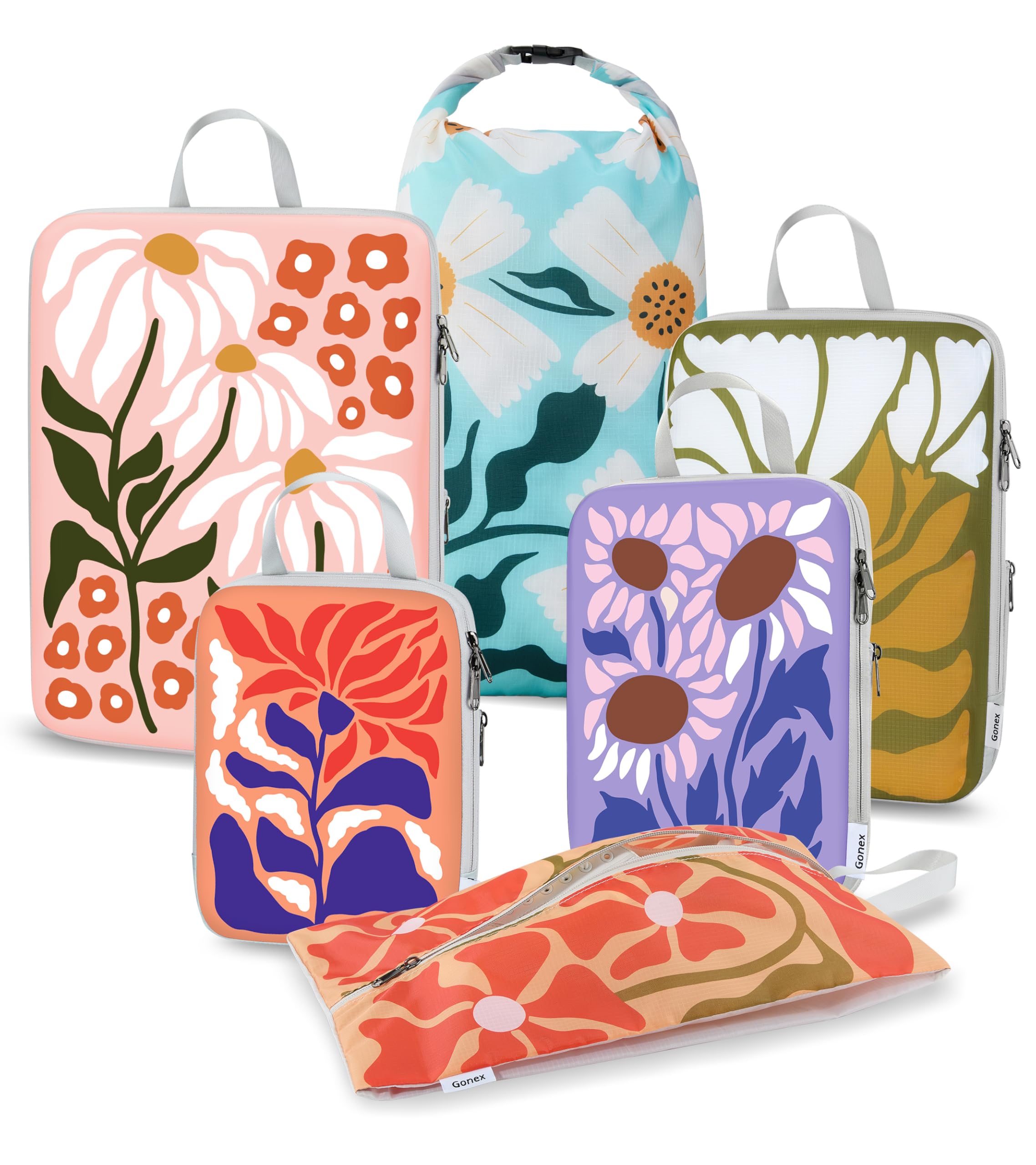
Compression cubes add a second zipper that squeezes air out, trading a little wrinkle risk for real volume.
If space is genuinely your top priority, compression is the version to buy, and our Gonex compression packing cubes review digs into how one popular budget compression set actually performs.
Compression vs regular packing cubes: which should you buy?
The decision usually comes down to one question: are you fighting a space problem or an organization problem?
Buy regular cubes if your bag has room but your packing is chaos. They shine for people who want to find a shirt without unpacking, who share a suitcase and want their half kept separate, or who move between hotels and want to grab one cube per night instead of digging. They are lighter, cheaper, and gentler on clothes.
Buy compression cubes if you are consistently at the edge of your bag's capacity, flying carry-on-only on airlines with strict sizers, or packing bulky cold-weather layers. The Points Guy frames compression cubes as the answer specifically for shrinking items down to fit low-cost carrier limits, letting you cram more into the same shell (The Points Guy). Just go in knowing you are trading crispness for capacity.
Plenty of experienced packers own both and mix them in a single bag. There is no rule that says a suitcase must be all one type. The technique matters as much as the gear here, and if you want to get the most out of either style, our walkthrough on how to use packing cubes covers folding versus rolling, load order, and how to compress without turning everything into a raisin.
The real benefits that have nothing to do with space
Here is the part that gets lost in the space debate. Most people who love packing cubes do not love them for volume. They love them for the experience of traveling with an organized bag. These benefits are harder to put a number on, but they are the reason the tool keeps earning "worth it" from reviewers who openly admit cubes do not save space.
Faster packing and, especially, unpacking
When every category lives in its own cube, unpacking at a hotel becomes a thirty-second job: lift the cubes into a drawer, done. Repacking to leave is just as fast because nothing has spread out. For a one-week trip in one hotel this is a nice-to-have. For a trip that hits four cities in ten days, it is the whole game. You never fully unpack; you just move cubes.
Airport security and shared bags
Cubes make the security-check version of your life much less stressful. If your bag gets pulled for a manual search, an agent can lift out neat, self-contained cubes and set them back rather than pawing through a loose pile and handing you back a mess. The Points Guy makes exactly this point, listing TSA inspections among the benefits because agents can check cubes without scattering your belongings across the table (The Points Guy). The same containment helps at home before you even leave, keeping clean clothes clean.
Families and multi-person trips
This is arguably the strongest "worth it" case of all, and it has nothing to do with saving space. Color-coding cubes by family member turns one shared suitcase into several tidy compartments. Each kid gets a color; each color holds a full day's outfits. Parents who have tried to find one child's clean socks in a communal bag understand the value instantly. SmarterTravel spells out the tactic directly, suggesting you stow one person's clothes in blue bags and another's in red so you can tell whose is whose, and adding that "families with kids could also benefit from packing cubes, by color-coding each sibling's items" (SmarterTravel).
A cleaner suitcase, and a barrier against bringing pests home
There is also a hygiene angle that rarely makes the sales copy. Keeping clothes zipped inside cubes adds a layer between your wardrobe and whatever is living in a hotel luggage rack. Travel writers regularly cite cubes as a simple hedge against carrying bed bugs home, since sealed cubes give the pests fewer easy places to hitch a ride into your bag. It is not a guarantee, but it is a real, low-effort benefit that costs you nothing once you already own the cubes.
The honest downsides you should weigh
No product is all upside, and pretending cubes are flawless is how people end up disappointed. Three drawbacks come up again and again in tested reviews.
Wrinkles, mostly from compression
Regular cubes are gentle on clothes. Compression cubes are not, by design. Squeezing air out means squeezing fabric, and the more you compress, the more creased your clothes arrive. The fix is fabric-aware packing, as noted above, but if you travel in linen suits or crisp cotton and hate ironing, aggressive compression is not your friend.
The cubes themselves add weight and bulk
Every cube is fabric and zippers, and that material weighs something and occupies something. On a tightly weight-limited flight, a set of heavy cubes eats into your allowance. This is part of why standard cubes can leave a bag fuller than rolling alone: you have added the mass of the containers. Lightweight ripstop nylon sets minimize this, which is one reason material quality matters when you shop.
The overpacking trap
This one is sneaky. When packing feels effortless and organized, it becomes easier to justify bringing more. The tidy compartments practically invite you to fill every one. Several reviewers warn that cubes can quietly encourage overpacking precisely because they make a full bag feel manageable. The discipline that makes cubes great can flip into permission to haul too much.
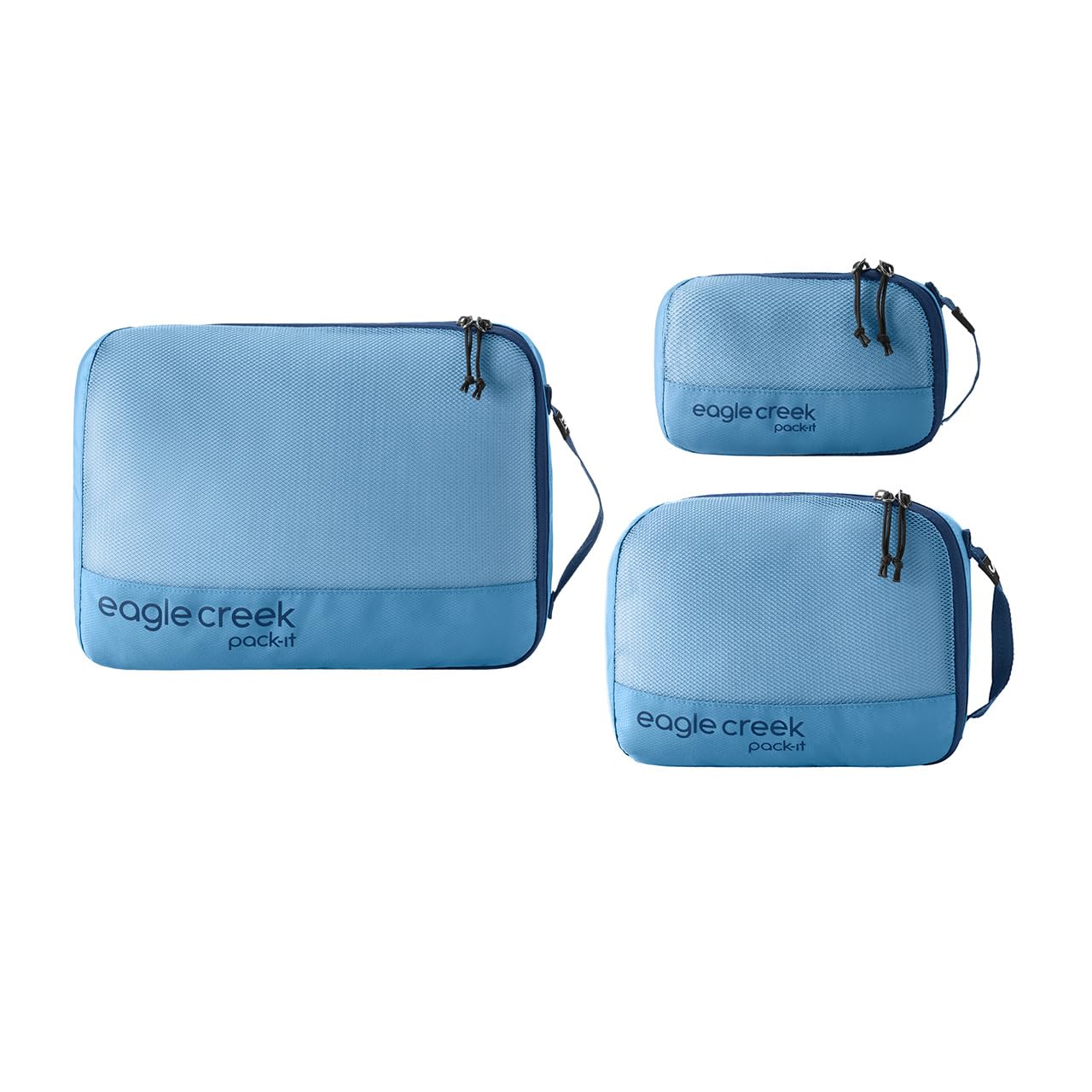
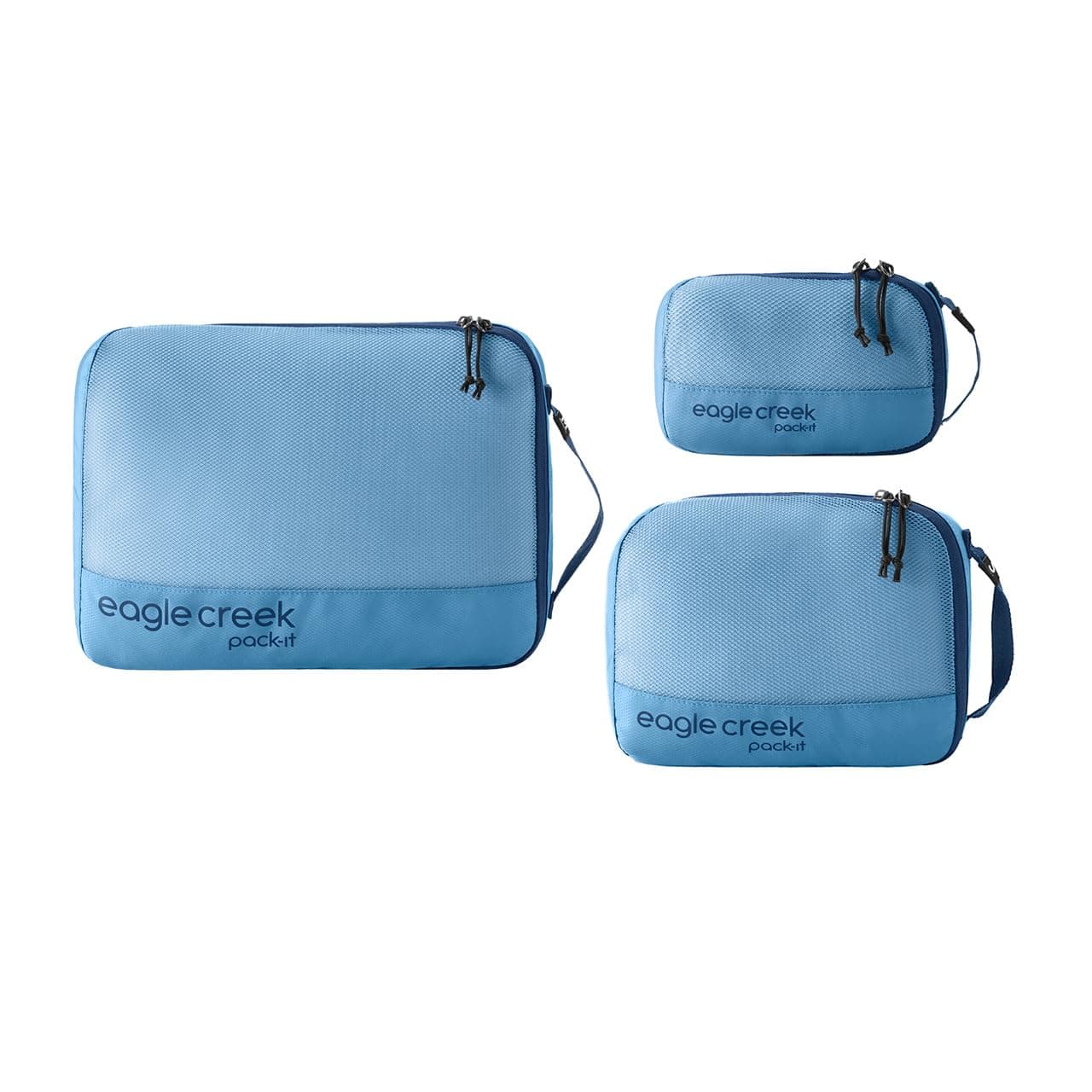
Premium sets like Eagle Creek's use visible or labeled panels so you can identify a cube without opening it.
Who should use packing cubes, and who can honestly skip them
Cubes are not universal. They pay off most for specific travel styles.
You will likely find them worth it if you:
- Travel often enough that packing is a recurring chore rather than a once-a-year event.
- Do multi-stop trips where you repack every day or two.
- Share a suitcase with a partner or pack for kids.
- Fly carry-on-only and want compression to squeeze into strict size limits.
- Simply hate the feeling of living out of a chaotic bag.
You can probably skip them if you:
- Take rare trips and already pack neatly by rolling.
- Travel ultralight with a tiny bag where cubes add more bulk than order.
- Prioritize wrinkle-free clothes above all and dislike any compartmentalizing.
AFAR's tested roundup lands in a similar place, treating cubes as a genuinely useful tool while being clear that the right pick depends on budget and travel style rather than a single "best for everyone" answer (AFAR). The gear-focused take from Tortuga is also worth a read if you are weighing cubes against plastic compression sacks, since the two solve overlapping problems in different ways (Tortuga).
How much should you spend on packing cubes?
Price is where a lot of the "worth it" anxiety lives, and the good news is that you do not need to spend much to get the core benefit. Travel experts generally consider sets in the $20 to $40 range solidly worth it, and a single quality cube can run as little as $10 to $15. Budget multi-piece sets from brands like BAGAIL routinely earn recommendations because they deliver the organization payoff at a fraction of premium pricing; our BAGAIL 8-set packing cubes review breaks down why that particular set is such a common first purchase.
Spending more buys you better materials (lighter, more durable ripstop), better zippers, more thoughtful shapes, and sometimes water resistance or antimicrobial linings. A premium set from a brand like Eagle Creek or Peak Design can last a decade of heavy travel and comes with the kind of warranty budget sets do not. Whether that upgrade is "worth it" depends on how hard you travel. For a few trips a year, a budget set is plenty. For someone who lives out of a carry-on, premium durability earns its price over time.
The one thing not worth doing is overpaying for plain cubes expecting compression performance. If you want space savings, spend on compression features, not on a fancy logo attached to a regular cube.
How many packing cubes do you actually need?
You need fewer than the eight-piece sets suggest. A practical starting kit for one person is three to four cubes: one large for tops, one medium for bottoms, one small for underwear and socks, and one flexible "dirty laundry" cube. From there, add cubes for specific needs, a slim one for electronics and cables, an extra small one for a partner, or per-person cubes for a family.
Buying a big set is not wasteful, though, because unused cubes simply stay home until a bigger trip needs them. The graduated sizing in most sets exists precisely so you can scale the number of cubes to the length and type of trip. Start with a set, use what the trip demands, and let the rest wait in a drawer.
A useful way to think about count is by function rather than by number. Give each recurring travel need its own dedicated cube and the right quantity reveals itself. Almost everyone wants a "clean clothes" cube and a "worn clothes" cube, because keeping those two separated is half the reason to own cubes at all. Most people want a small cube for the fiddly items, socks, underwear, chargers, that otherwise vanish into corners. Beyond that, add cubes only for problems you actually have: a slim tech cube if you travel with cables and a power bank, a shoe cube if you pack more than the pair on your feet, a toiletry-adjacent cube for anything you do not want touching your clothes. Buy for the trip you take most often, not the once-a-year epic, and you will avoid both overspending and hauling empty fabric around.
Do packing cubes wrinkle your clothes?
Since wrinkles are the single most cited complaint, it is worth being precise about when they actually happen. Regular, non-compression cubes barely wrinkle clothes any more than a drawer does, because they hold garments in shape without squeezing them. The creasing problem is specific to compression: pulling that second zipper forces air out and presses folds into place, and pressed folds set into creases over hours in transit. The severity depends heavily on fabric. Synthetics, merino wool, and most knits shrug off compression and bounce back within minutes of hanging. Linen, silk, and crisp cotton do not, and will arrive looking slept-in. The practical rule that experienced packers follow is to compress only what forgives compression, roll rather than fold anything delicate, and hang the worst offenders the moment you reach the room. Do that and even a heavily compressed bag can produce presentable clothes. Ignore fabric and you will spend your first evening with a travel steamer.
How we research these recommendations
Every recommendation here runs through a deliberate three-layer research method, and every number in this article was pulled through it. First, we anchor space and performance claims to measured tests from established travel publications, such as the stack-height measurements from SmarterTravel and the packed-suitcase comparison from AAA, rather than to brand marketing. Second, we cross-check those findings against multiple independent editorial sources (in this case AFAR, The Points Guy, and gear specialists like Tortuga) so a claim only stands if it survives more than one credible outlet. Third, we ground product-level details in manufacturers' published specifications for materials, dimensions, and features, keeping spec claims tied to primary sources.
When those three layers agree, we report the claim plainly. When they disagree, as they do on the space question, we say so rather than picking the flattering answer. That is why this guide tells you regular cubes may not save space at all: the tested evidence says it, even though it undercuts the usual sales pitch.
So, are packing cubes worth it? The verdict
For most travelers, yes, but for the right reasons. If you buy cubes expecting them to conjure extra space out of thin air, you are buying the wrong story, and plain cubes may even cost you a little room compared to careful rolling. If you buy them to travel with an organized bag, to unpack in seconds, to keep a shared suitcase civil, or to sail through a TSA search without a mess, they deliver on every one of those promises and keep delivering trip after trip.
The sharper version of the answer is this. Regular cubes are worth it for organization. Compression cubes are worth it for space, at the cost of some wrinkles. Match the tool to the problem you actually have, spend in the modest range where value peaks, and start with a small number of cubes you will genuinely use. Do that, and the honest verdict tips firmly toward worth it. When you are ready to choose a specific set, our best packing cubes guide turns this framework into concrete picks for every budget and travel style.
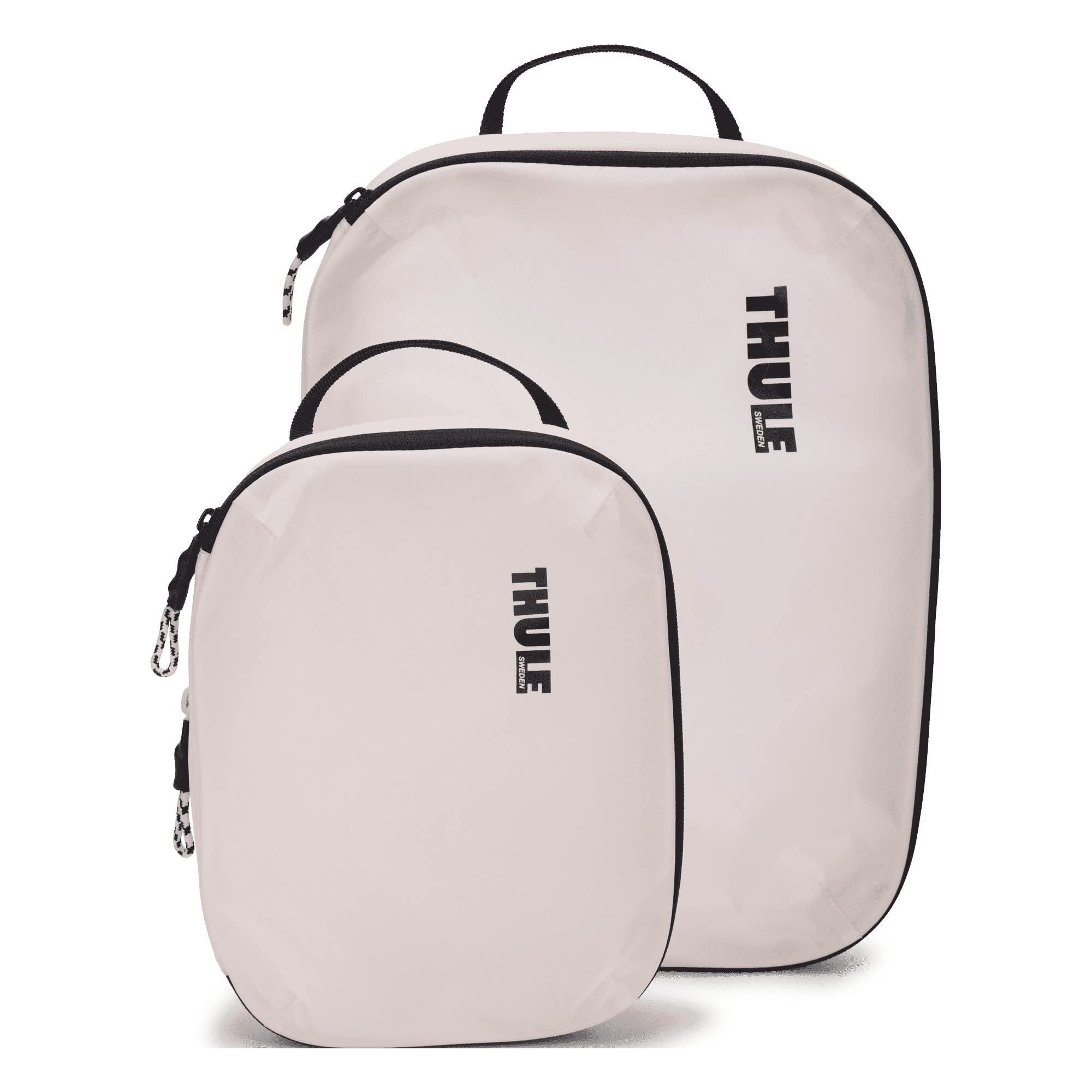
Premium compression sets pair aggressive space savings with durable, lightweight ripstop fabric.
Related Posts