


Tower fans have split into two camps: bladeless designs that hide the impeller inside a slim column, and DC-motor models that swap the old AC induction motor for a brushless one that sips power and runs near-silent. The best bladeless and DC tower fans of 2026 increasingly blend both ideas, and the two we feature here are the strongest expression of each approach — Shark's pivoting TurboBlade for reach and customization, and DREO's DC-motor tower for manufacturer-rated 20 dB bedroom quiet. This roundup is research-based: we synthesize each manufacturer's published specifications with reputable editorial and trade coverage and recurring themes in verified owner feedback, flagging any claim that traces only to marketing copy.
Quick Comparison
 1
1Credit: Amazon
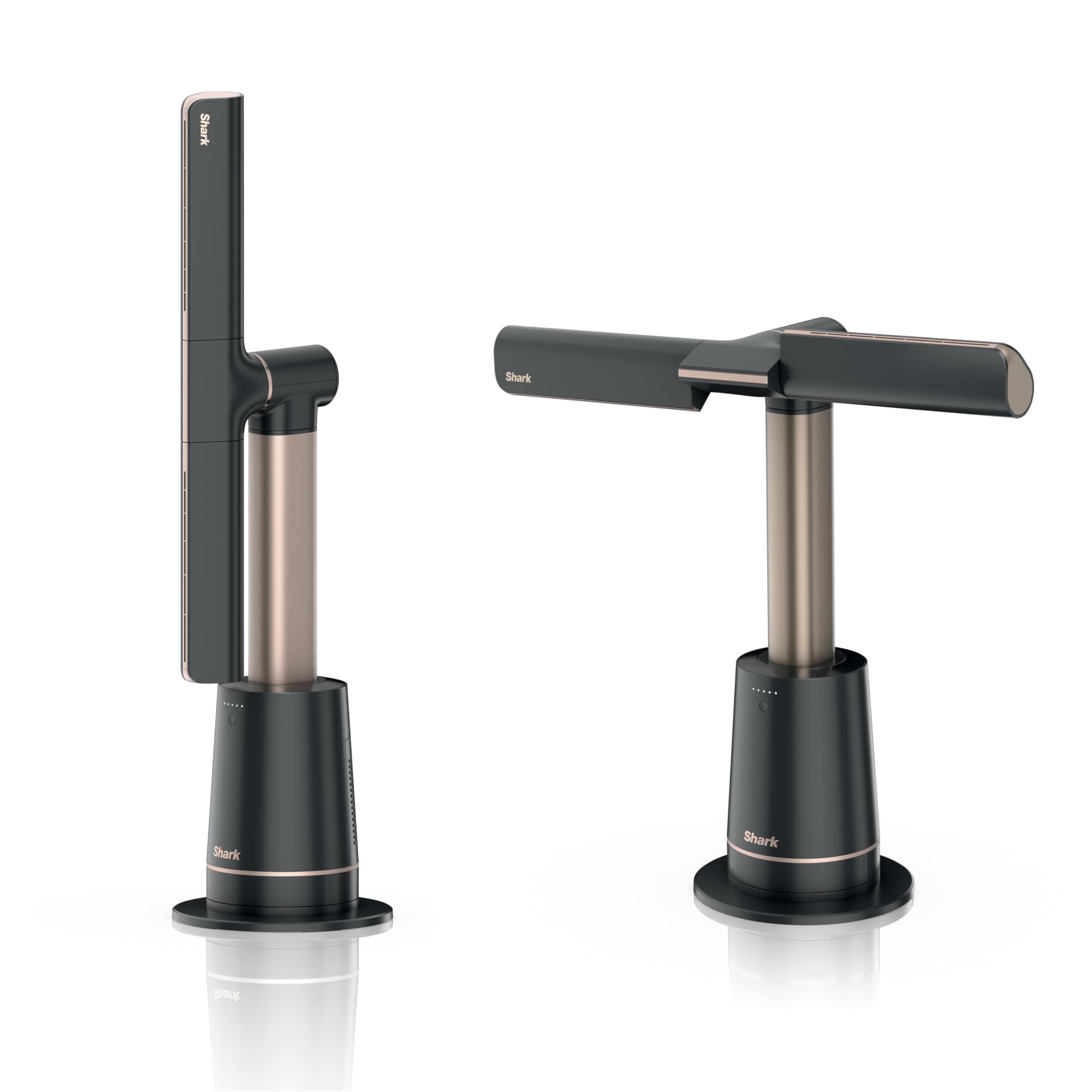
Shark TurboBlade Bladeless Tower Fan
 2
2Credit: Amazon
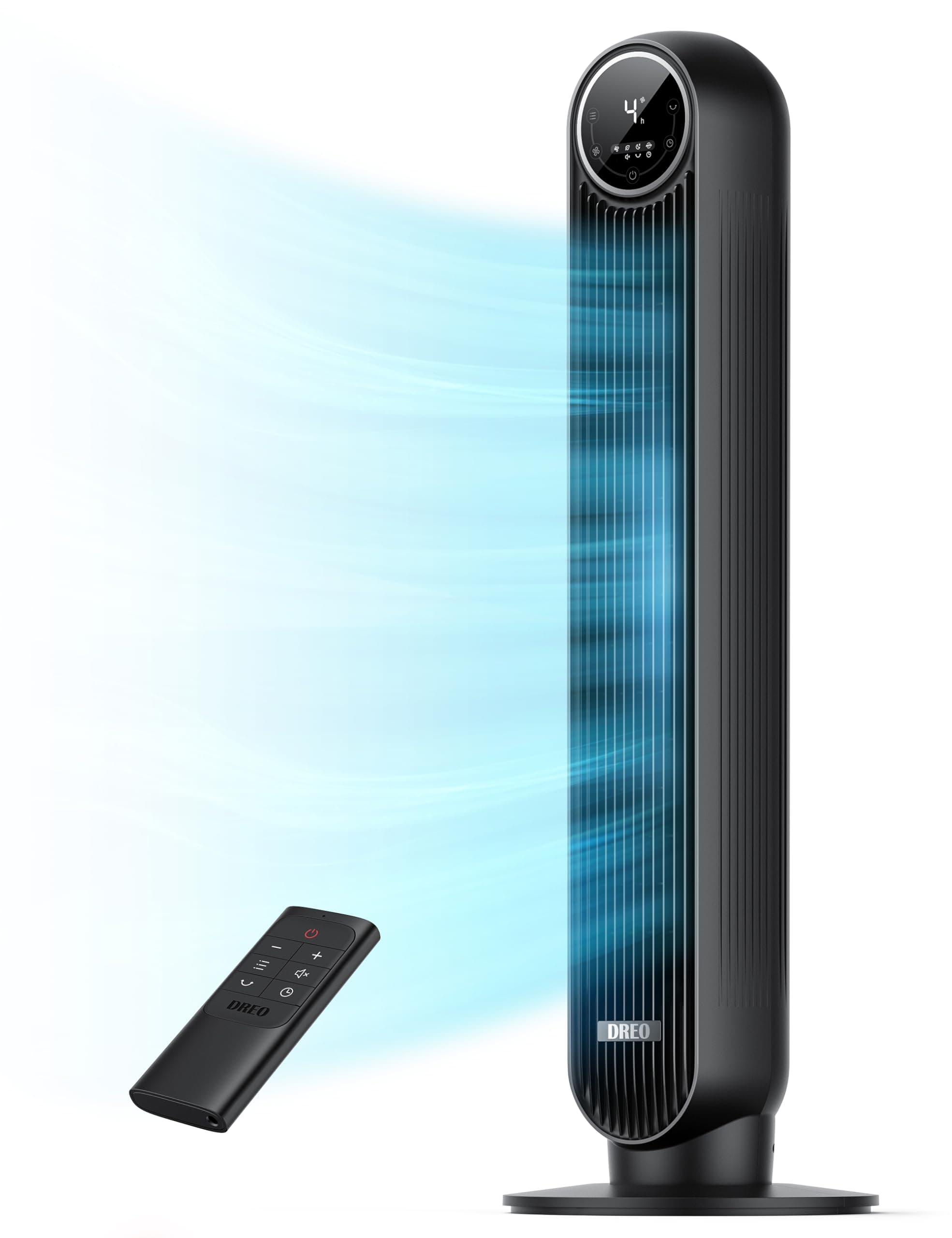
DREO Bladeless Tower Fan for Bedroom, Black
Shark TurboBlade Bladeless Tower Fan
Credit: Amazon
Where to Buy
Key Specs
What We Like
- Pivoting, twisting head aims air across three axes
- Up to 180-degree oscillation plus stated 80-foot reach
- 10 speeds and 10 separate noise levels
- Cleanable DustDefense screen, no exposed blades
- Two-year limited warranty
What Could Improve
- Whisper-quiet claim softens at some speed transitions
- Tall ~44.8 in footprint needs floor space
- DC motor not specified by the manufacturer
What to Know
DREO Bladeless Tower Fan for Bedroom, Black
Credit: Amazon
Where to Buy
Key Specs
What We Like
- Documented 20 dB sleep mode
- Energy-efficient brushless DC motor
- Fine-grained low speed steps for sleeping
- Eight speeds, four modes (Normal/Natural/Sleep/Auto)
- Remote and timer included
What Could Improve
- 90-degree arc tuned for one zone, not whole rooms
- Less reach than the Shark's stated 80 feet
- Smoother bladeless air can feel less forceful than a bladed fan
What to Know
How to Choose a Tower Fan
What to consider before you buy
Who This Is For
Need a low noise floor (sub-30 dB), a true sleep mode, and fine low-speed steps — a DC motor matters most here.
Want high airflow, wide oscillation, and long throw to move air across a living room or studio rather than one chair.
Value adjustable height, a remote, and a timer to direct a steady breeze without leaving the keyboard.
Prefer bladeless designs with no exposed blades and a screen that wipes clean in seconds.
Key Factors to Consider
Brushless DC motors typically draw 30-40% less power at the same airflow, run cooler, and unlock granular low-speed steps that cheap AC fans cannot reach. They are the reason a tower fan can run quietly all night.
For bedrooms, a manufacturer-rated figure near 20 dB is whisper-quiet; living-room use tolerates 40+ dB. Treat single-number ratings as low-speed claims and expect more noise as speed climbs.
Higher CFM and a longer stated reach (some bladeless towers claim up to 80 feet) determine whether the fan cools a whole room or just the seat in front of it.
A 90-degree arc focuses on one zone; 180-degree (or pivoting heads) spreads air across a room and reduces hot spots. Wider is better for shared or open spaces.
A remote, timer, sleep/auto modes, and a readable display make all-night and across-room use far more practical.
Slim bladeless towers save floor space, but taller models (~45 in) need clearance and a stable base on carpet.
Quick Checklist
How We Research
How We Test
Compared manufacturer specs
Logged each model's stated motor type, airflow, oscillation, noise rating, and dimensions from official documentation.
Surveyed expert reviews
Read professional and trade coverage to corroborate or challenge the manufacturer's quiet, reach, and efficiency claims.
Cross-checked owner-feedback themes
Tracked recurring praise and complaints across verified buyers — real-world noise, durability, and oscillation behavior.
Flagged unsupported claims
Where a figure traced only to marketing copy, we noted it instead of presenting it as established.
Important Warnings
- Always unplug the fan before opening or cleaning it.
- Some sealed tower fans are not designed to be opened — prying them apart can void the warranty. Check the manual first.
- Avoid liquids inside the housing; many bladeless fans specify dry cleaning only.
- Don't let dust cake the intake — restricted airflow makes the motor work harder and run louder.
Maintenance Schedule
Run a microfiber cloth over the outer screen and air outlet to lift surface dust before it migrates inside.
Use a vacuum brush attachment or a burst of compressed air to pull dust out of the intake slots that feed the column.
If the model is designed to open, follow the manual to access and wipe the internal channel where dust accumulates most.
Wipe down and cover the fan before seasonal storage so it starts the next season free of settled grime.
Related Posts




Buying Guides — Best Back to School Dorm Essentials 2026: 6 Research-Backed Picks
Skip the 75-item packing list. These six research-backed dorm essentials solve the problems every residence-hall student actually hits, from communal bathrooms to outlet shortages, all verified at July 2026 deal prices.