
Best Living Room Curtains and Drapes: 2026 Buyer's Guide
 Abdulwahab Suleiman·June 16, 2026
We ranked the best living room curtains and drapes currently tracked on Zuqqis by the job most rooms actually need a curtain to do: block light or filter it. Both picks are pinch-pleat panels — the tailored, evenly folded header style that defines 2026 living-room curtains — chosen on construction, light control, drape, and price. We kept the list to two because each genuinely earns its spot rather than padding a number.
Quick Comparison
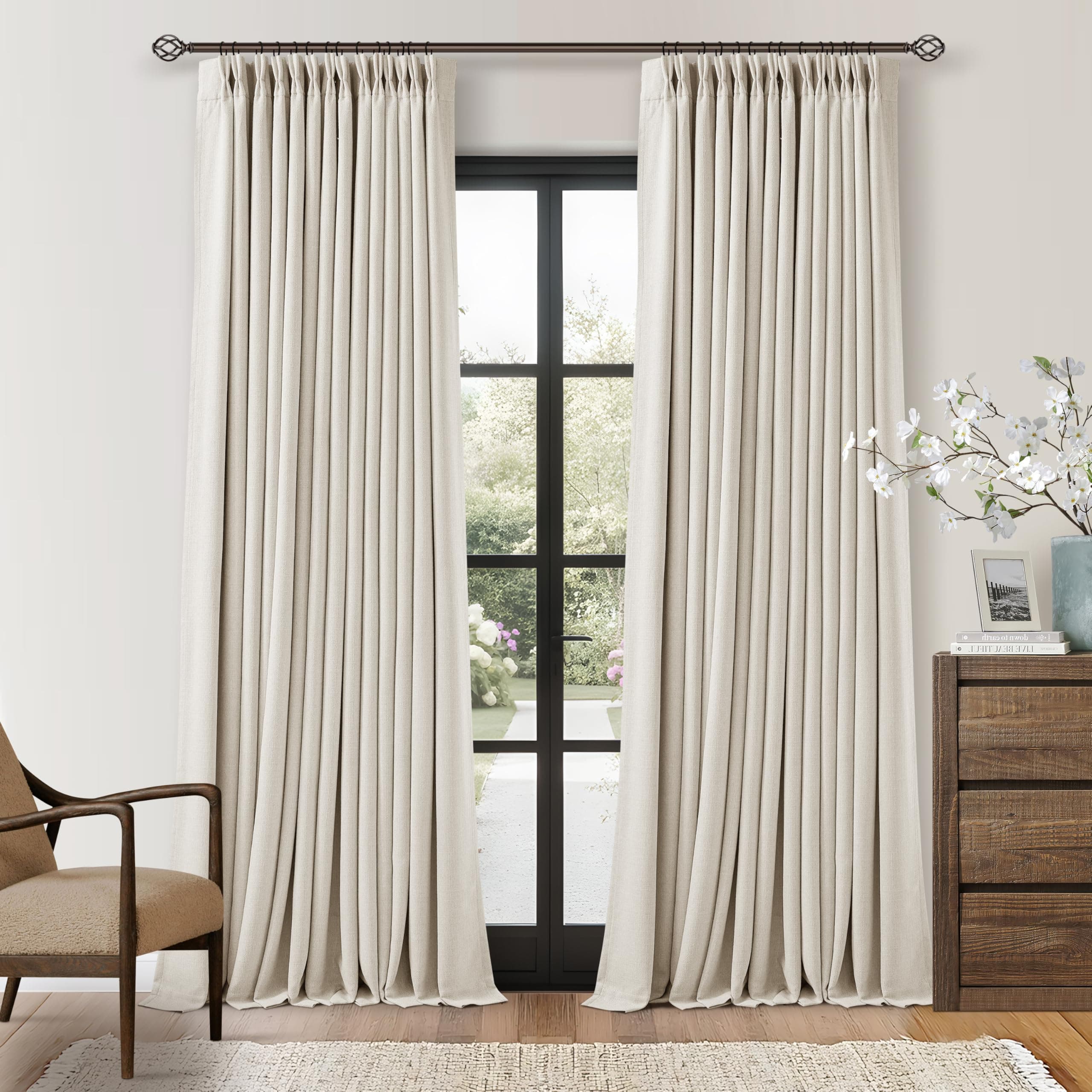 1
1Credit: Amazon
Pinch Pleat 120" Blackout Curtains (2 Panels)
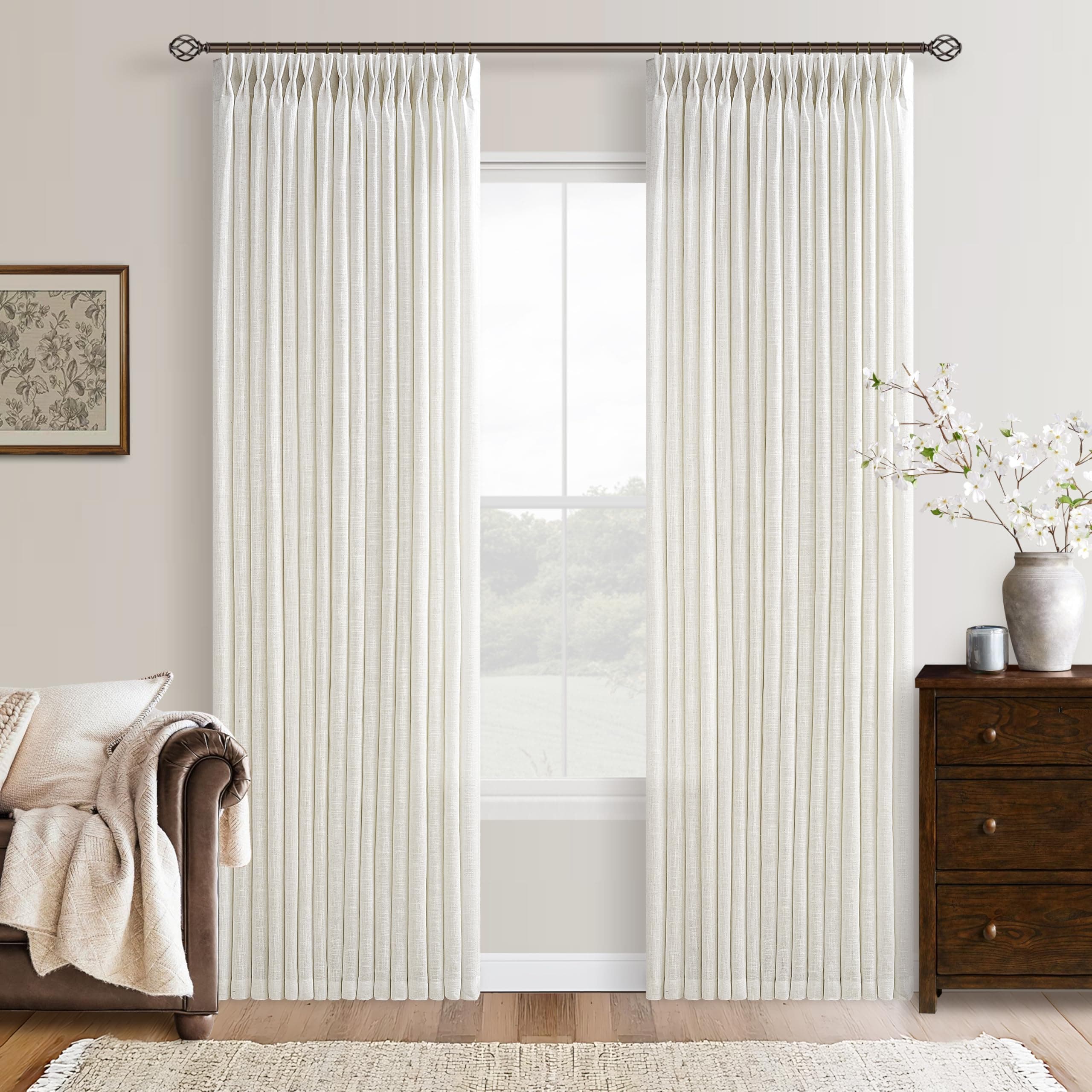 2
2Credit: Amazon
Pinch Pleat Linen Curtains, Natural Cream, 102 Inch, 2 Panels
Pinch Pleat 120" Blackout Curtains (2 Panels)
Credit: Amazon
Where to Buy
Key Specs
What We Like
- Genuine room-darkening for media rooms and bright afternoons
- Rare 120-inch drop suits floor-to-ceiling, ceiling-mounted rods
- Warm flax-look face in on-trend beige/cream, not plasticky black
- Tailored pinch-pleat header keeps heavy fabric falling cleanly
What Could Improve
- Adds visual weight; less airy than a sheer when open
- Darkening fabric means less daytime glow than a light-filtering panel
What to Know
Pinch Pleat Linen Curtains, Natural Cream, 102 Inch, 2 Panels
Credit: Amazon
Where to Buy
Key Specs
What We Like
- Light-filtering linen gives a soft, bright, diffused daylight
- Strong value, undercutting the blackout pick
- Rings and hooks included — pinch pleat ready to hang
- On-trend natural cream linen texture for warm neutrals
What Could Improve
- Semi-sheer: not a darkening panel, partial visibility at night
- Less insulating than a heavier blackout drape
What to Know
How to Choose
What to consider before you buy
Who This Is For
Rooms with afternoon glare or a TV that washes out in daylight need genuine room-darkening or blackout panels.
If the goal is a soft, welcoming glow with daytime privacy, light-filtering linen or sheer-weave panels are the better fit.
Floor-to-ceiling windows and ceiling-mounted rods demand extra-long drops (102 to 120 inches) that standard panels rarely cover.
Buyers who want both — bright days and dark nights — pair a light-filtering panel with a blackout layer on a double rod.
Key Factors to Consider
Decide the panel's job first. Blackout and room-darkening weaves block most light for media rooms and glare control; light-filtering linen and sheers diffuse daylight into a soft glow while keeping the room bright. This single choice drives fabric, opacity, and price.
Floor-length reads as the most polished choice in most living rooms. Measure from the rod to the floor and pick a hover (just off the floor), a slight break, or a puddle. Tall or ceiling-mounted setups need 102 to 120 inch drops that ordinary panels don't reach.
Panels should total well more than the window width so they fold richly when closed. Pre-pleated pinch-pleat headers build fullness in, but you still want enough combined panel width to cover the window with overlap rather than stretching flat.
Pinch-pleat headers give a tailored, evenly folded look and keep heavier fabric falling cleanly. Confirm whether rings and hooks are included or sold separately, and that the header suits your rod or track.
Linen and cotton bring natural texture and warmth; denser polyester and velvet darken better and insulate more. Neutral cream and flax tones read current and forgive sun fading better than saturated dyes.
Heavier, lined panels hung close to the ceiling with a center overlap form an air pocket that helps with drafts and heat. It's a meaningful bonus for sunny or cold-window rooms, secondary for mild climates.
Quick Checklist
How We Research
How We Test
Compared manufacturer specs
Logged each panel's drop, width, header style, fabric, and opacity claim from the maker's published listing.
Surveyed expert reviews
Read reputable third-party buying guides and reviewer findings on light control, drape, and sizing for living-room curtains.
Cross-checked owner-feedback themes
Tracked recurring praise and complaints across verified owner feedback — true light-blocking, fabric feel, and fit on tall windows.
Re-checked pricing and availability
Refreshed live pricing and stock so the value ranking reflects what buyers actually pay today.
Important Warnings
- Hot water and tumble-dry heat can shrink linen — wash cold and air-dry instead.
- Bleach and harsh enzyme detergents weaken natural fibers and dull colors; skip them.
- Don't iron a blackout panel's coated backing directly — heat can damage the light-blocking layer.
- Storing curtains while damp or in sealed plastic invites mildew; make sure they're fully dry and use breathable storage.
Maintenance Schedule
Run a brush vacuum attachment over the panels to lift settled dust before it sets into the weave.
Use a handheld steamer a few inches from the fabric to relax creases — gentler and faster than ironing on linen.
Wash cold with mild detergent (or dry-clean per the label) every few months, more often in dusty or sunny rooms.
Vary how panels sit and watch direct-sun exposure to slow uneven fading on the leading edges.
Related Posts




Buying Guides — Best Back to School Dorm Essentials 2026: 6 Research-Backed Picks
Skip the 75-item packing list. These six research-backed dorm essentials solve the problems every residence-hall student actually hits, from communal bathrooms to outlet shortages, all verified at July 2026 deal prices.