Best Wireless Bluetooth Speakers 2026: Ranked Buyer's Guide
 Abdulwahab Suleiman·June 16, 2026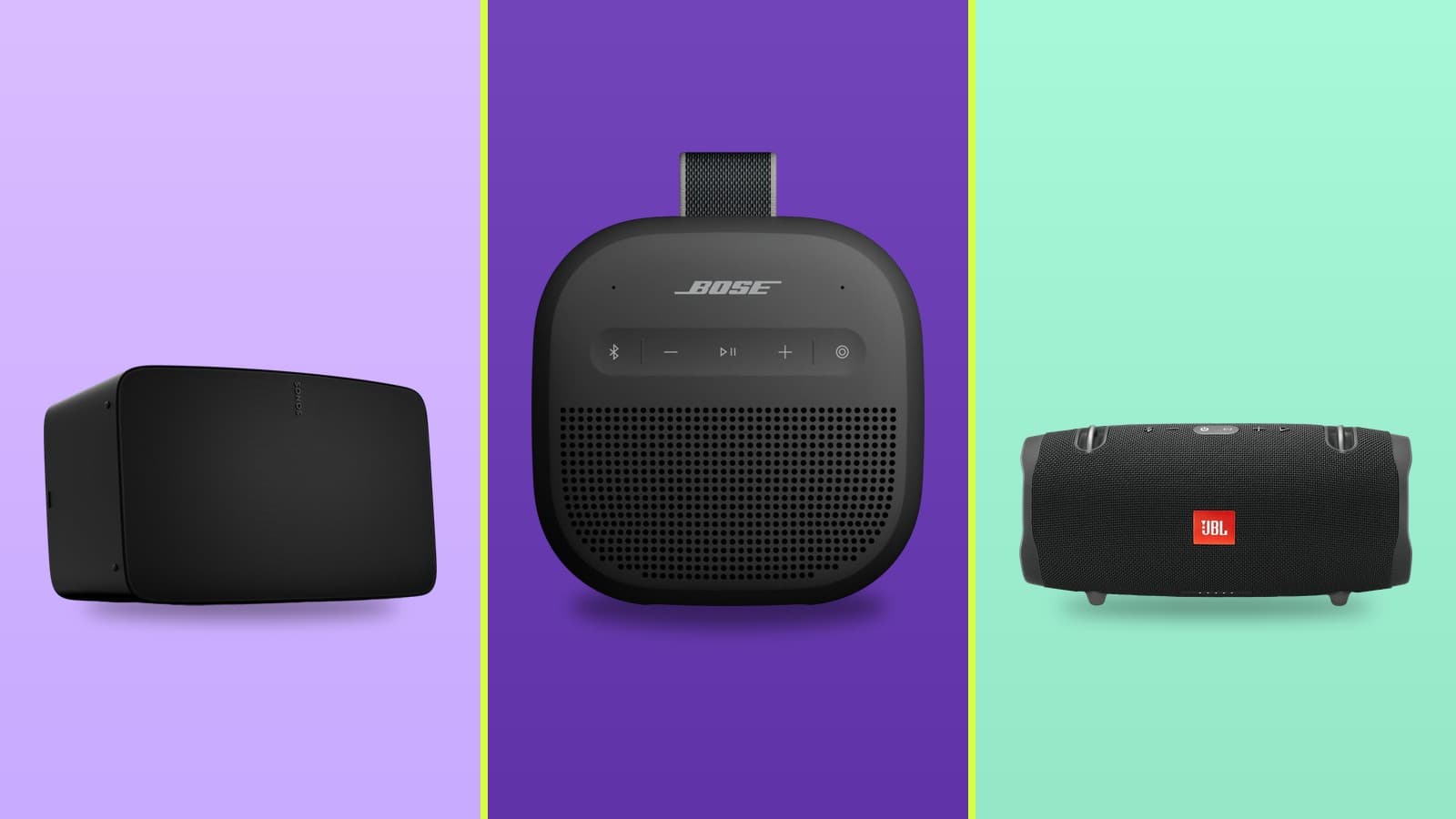
"Best wireless Bluetooth speaker" depends entirely on the room you're filling, so rather than crown one universal winner we ranked three genuinely different speakers against the job each is built for: a powerful home anchor, a pocketable everyday carry, and a loud weatherproof party machine. Every spec here is anchored to the manufacturer's published specifications and cross-checked against independent labs and editorial reviews (DXOMARK, SoundGuys, Consumer Reports, What Hi-Fi?), with the headline-versus-measured gaps called out so each pick is judged on what it actually delivers.
Quick Comparison
 1
1Credit: Amazon
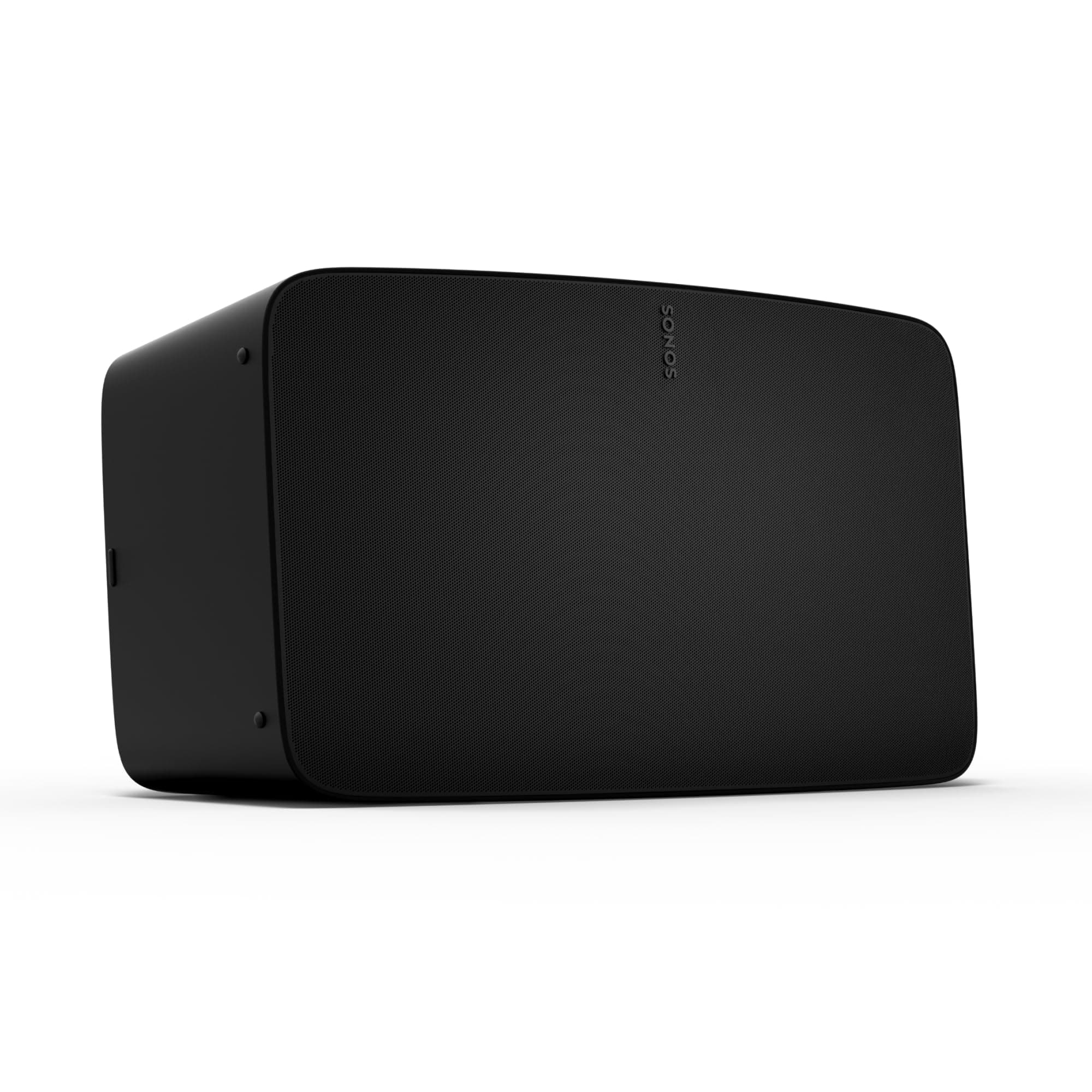
Sonos Five Wireless HiFi Speaker
 2
2Credit: Amazon
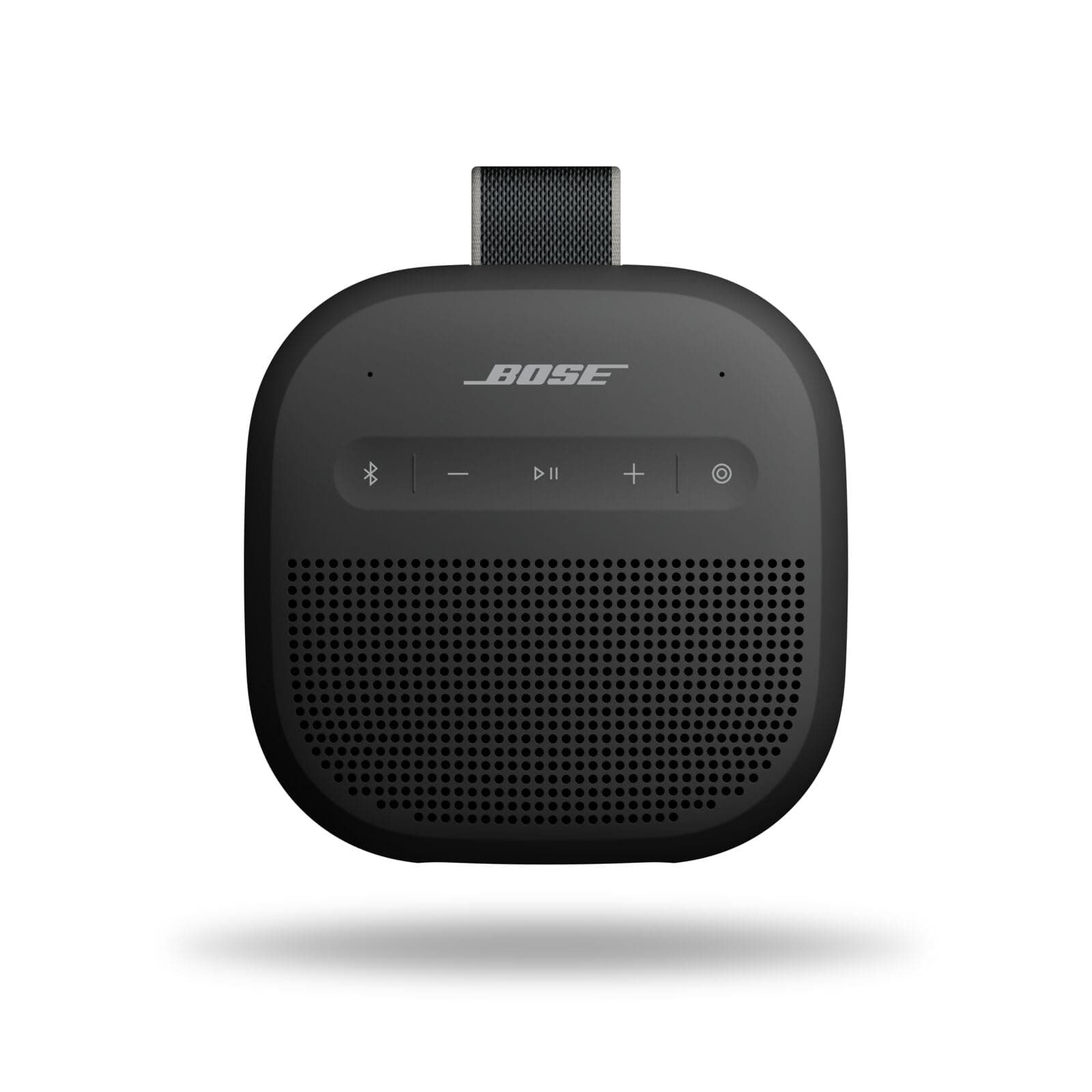
Bose SoundLink Micro Portable Bluetooth Speaker (2nd Gen)
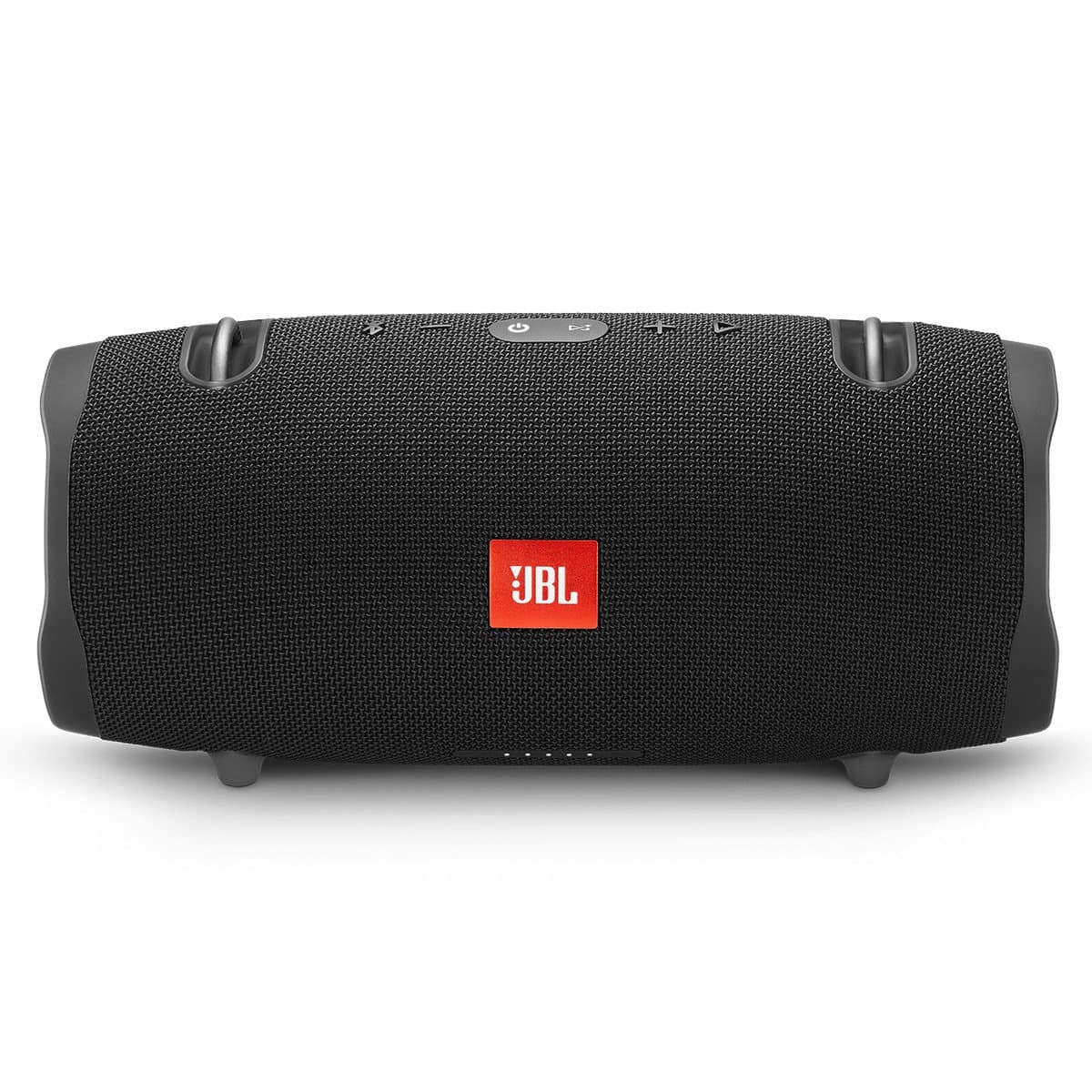 3
3Credit: Amazon
JBL Xtreme 2 Waterproof Bluetooth Speaker, Black
Sonos Five Wireless HiFi Speaker
Credit: Amazon
Where to Buy
Key Specs
What We Like
- Six amplifiers driving three tweeters and three midwoofers for genuinely room-filling sound
- Independently measured strong output (past 91 dB SPL) with clean, artifact-free playback
- Trueplay room-tuning meaningfully improves response in poor rooms
- Wi-Fi and AirPlay 2 streaming plus a 3.5 mm line-in
What Could Improve
- No Bluetooth at all, so you can't quickly pair a guest's phone
- Heavy at 6.3 kg and not portable
- Can sound slightly dark with recessed treble at low volume
What to Know
Bose SoundLink Micro Portable Bluetooth Speaker (2nd Gen)
Credit: Amazon
Where to Buy
Key Specs
What We Like
- Genuinely pocketable and IP67 waterproof and dustproof
- Bluetooth 5.4, USB-C charging, and Multipoint for two devices
- In-app Active EQ to tune bass, treble, and mids
- Strong sound for its tiny footprint, listed at $129
What Could Improve
- Real-world battery far under the 12-hour claim at higher volumes (~4.5h at 80 dB measured)
- Mono output with limited deep bass
- No built-in microphone
What to Know
JBL Xtreme 2 Waterproof Bluetooth Speaker, Black
Credit: Amazon
Where to Buy
Key Specs
What We Like
- Up to 15 hours of battery and loud 40 W output for outdoor use
- IPX7 waterproof and rugged enough for parties and the beach
- Four drivers plus dual passive bass radiators for strong low end
- JBL Connect+ stereo pairing and multi-speaker chaining
What Could Improve
- Large and heavy at 2.4 kg, not portable in the everyday sense
- Older Bluetooth 4.2 (no multipoint or newer codecs)
- Bass can get boomy at high volume
What to Know
How to Choose a Wireless Speaker
What to consider before you buy
Who This Is For
Want the best sound quality in one room and will keep the speaker plugged in and stationary.
Need something pocketable to toss in a bag for the desk, kitchen, or a quick trip.
Prioritize loud, durable, waterproof playback for the beach, pool, or backyard.
Care about multi-room, voice assistants, or pairing with phones and TVs over Wi-Fi and AirPlay.
Key Factors to Consider
Driver count, amplifier power, and cabinet size set how loud and full a speaker gets; larger home units fill a room while palm-sized speakers stay mono with limited bass. Independent lab measurements often diverge from headline wattage, so weigh independently measured output, not just the spec sheet.
A 6 kg home anchor and a 0.33 kg pocket speaker serve completely different jobs. Decide whether the speaker stays put or travels before anything else, since it dictates every other trade-off.
Manufacturer runtime claims are usually measured at low volume; real playtime at party levels can be a fraction of the rating. Check charge time and whether the speaker is AC-only.
IPX7 survives brief immersion and IP67 adds dust protection, which matters for poolside and outdoor use. Indoor home speakers are usually only humidity-resistant, not waterproof.
Bluetooth version affects range and multipoint; AAC helps iPhones and aptX helps Android, while Wi-Fi and AirPlay 2 enable higher-quality multi-room streaming on home units. Older Bluetooth 4.2 lacks multipoint and newer codecs.
Many speakers pair two units for true stereo or chain several for wider coverage; app-based EQ and room tuning can meaningfully improve the sound you actually hear.
Quick Checklist
How We Research
How We Test
Compared manufacturer specs
Pulled drivers, amplifier power, battery, IP ratings, and connectivity straight from each maker's published documentation.
Surveyed expert reviews
Read professional and lab assessments (including DXOMARK, SoundGuys, and TechHive) for measured output, battery, and sound-quality findings.
Cross-checked owner-feedback themes
Mapped recurring praise and complaints from verified buyers to confirm or qualify the lab and spec-sheet picture.
Flagged claim-versus-measured gaps
Highlighted where real-world battery and output diverge from headline numbers so each pick is judged on what it actually delivers.
Important Warnings
- Never charge a damp speaker; trapped moisture in the USB-C port is a leading failure mode, so dry the port fully first.
- Don't assume a waterproof rating covers salt water or hot tubs; chlorine and salt corrode seals and grilles over time.
- Avoid leaving the battery fully drained or fully charged for months, and never store the speaker in a hot car.
- Submerging or pressure-washing a speaker beyond its IP rating can void the warranty and flood the driver chamber.
Maintenance Schedule
Rinse the grille under low-pressure fresh water for about 30 seconds, then stand it grille-down on a towel to drain.
Confirm the charging-port cover is fully closed before any exposure to water or dust.
Recharge before it fully drains and give it a charge at least every few months during storage to preserve runtime.
Check rubber gaskets around ports and buttons for cracks or stiffness, especially before a heavy outdoor season.
Keep the speaker out of direct heat and humidity; for long storage leave it roughly half-charged and powered off.
Related Posts

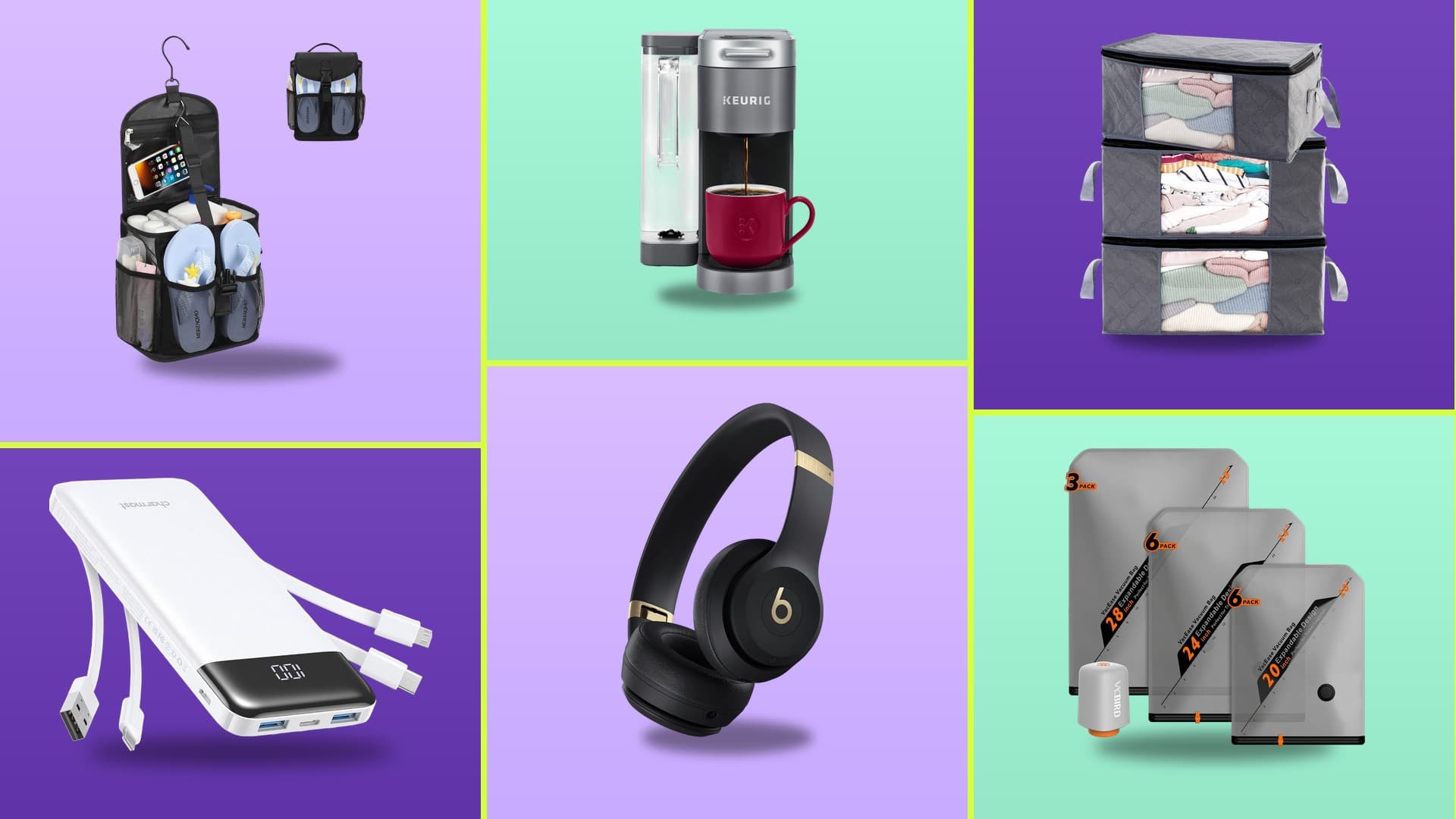
Buying Guides — Best Back to School Dorm Essentials 2026: 6 Research-Backed Picks
Skip the 75-item packing list. These six research-backed dorm essentials solve the problems every residence-hall student actually hits, from communal bathrooms to outlet shortages, all verified at July 2026 deal prices.