How to Choose Women's Summer Sandals: A Buyer's Field Guide
 Abdulwahab Suleiman·June 16, 2026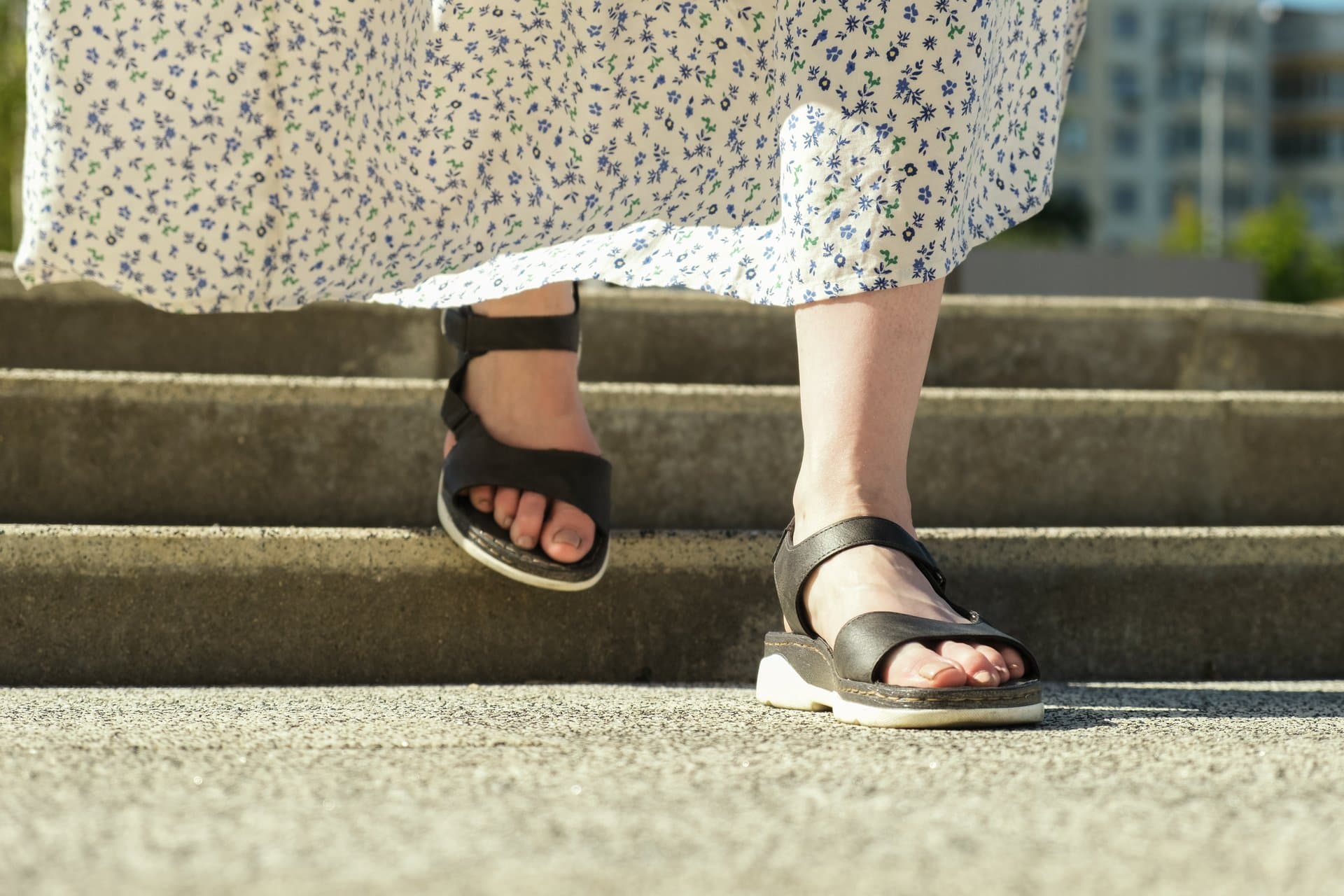
Why Choosing Summer Sandals Is Harder Than It Looks
A sandal looks like the simplest shoe in your closet. A sole, a couple of straps, maybe a buckle. And yet the moment the temperature climbs, the same questions come back every year: which pair won't leave you limping after a day of errands, which one won't hand you a blister by lunch, and whether the cute strappy thing in the window is going to wreck your arches by August.
Learning how to choose women's summer sandals is really about learning what to look at before you fall in love with a color. The right pair has to do three jobs at once. It has to keep your foot cool, hold your foot in place, and support the arch and heel so the miles you walk in summer don't turn into heel pain by fall. Most sandals nail one of those and quietly fail the other two.
This guide walks through what podiatrists and footwear testers actually look for, translated into things you can check yourself in a store or read off a product page. A quick note on how we put it together: we did not hands-on wear-test these sandals. Instead we synthesized published guidance from podiatric sources, footwear labs, and manufacturers' own spec pages, and we flag where a claim comes from so you can judge it yourself. That research-first approach is exactly why the rest of this piece leans on named sources rather than personal anecdotes.
A contoured, cushioned footbed is the single feature that separates an all-day sandal from a beach throwaway.
Start With Support, Not Style
It is tempting to start with how a sandal looks. Resist that. The feature that decides whether you can wear a sandal for eight hours instead of eighty minutes is what is happening under your foot, and it is almost invisible from across a room.
Arch support is non-negotiable
Podiatrists are blunt about this: a dead-flat sandal is about as hard on your feet as a high heel. CNN Underscored's panel of foot doctors puts it directly, advising shoppers to skip anything pancake-flat and look for footwear with contoured, built-in arch support instead, because a very flat sandal offers no structure for the arch to rest on (CNN Underscored). The arch is a load-bearing structure, and without something firm pushing back on it, it tends to flatten and overpronate, which is the slow road to plantar fasciitis and tired, achy feet.
There is an important nuance here that trips a lot of shoppers up. Firm is not the same as soft. A plush, pillowy footbed feels wonderful for the first ten minutes and then compresses under your weight and gives you nothing. The guidance from podiatric sources is to look for firm, high-arch support rather than mushy cushioning, because soft footbeds collapse over time and stop doing their job (CNN Underscored). The ideal is a footbed that combines firm arch support with a deep heel cup, which is what gives you both ergonomic support and shock absorption.
The deep heel cup nobody talks about
A deep heel cup is one of those quiet features that does an enormous amount of work. It cradles the heel bone (the calcaneus) and keeps it from sliding around, which stabilizes the whole foot with every step. Reviews of plantar-fasciitis sandals consistently list the same short feature set: contoured arch support, a cushioned midsole that absorbs heel strike, a firm non-collapsible footbed, and a deep heel cup to stabilize the heel (CNN Underscored walking-sandals roundup). If you have ever felt your heel skating off the back edge of a sandal, you have felt the absence of this feature.
A subtle heel-to-toe drop helps too
A completely flat profile forces your Achilles and plantar fascia to stretch on every stride. A small heel-to-toe drop (the height difference between heel and forefoot) takes pressure off both and nudges you toward a more natural gait. The same podiatric guidance notes that an elevated heel offloads the plantar fascia and Achilles, and a subtle drop encourages a healthier walking pattern (CNN Underscored). You do not want a heel, you want a gentle slope.
The Two-Minute In-Store Tests
Spec sheets are great, but some of the best information about a sandal comes from your own hands. Here are the checks that take under a minute each and tell you more than any marketing copy.
The twist test
Hold the sandal at the toe and the heel and try to wring it like a wet towel. A supportive sandal resists. Podiatrists recommend exactly this: bend and twist footwear from toe to heel to see whether it keeps its shape, because if the sandal twists excessively, so can your foot, which loads the muscles and ligaments (CNN Underscored). You want flex at the ball of the foot, where your foot naturally bends, and stiffness through the midfoot. A sandal that folds in half like a taco is a sandal that gives your arch nothing.
The press test
Push your thumb into the footbed where your arch and heel will sit. If it stays compressed or feels like memory foam, expect it to flatten under your body weight within weeks. A footbed that springs back firmly is one that will still be supporting you next summer.
The contact test
Stand in the sandal and look down. Your foot should be in contact with the footbed from the tips of your toes to your heel, with nothing hanging off the front or sides. Podiatric guidance stresses keeping toes and heels on the footbed (no overhang) as a way to prevent blisters and pressure sores (APMA). Overhang is both a comfort problem and an injury risk, since an exposed toe or heel has no protection.
Materials: What Keeps You Cool Without Tearing You Up
Summer adds a variable that other seasons don't: heat, sweat, and the friction that comes with both. Material choice is where comfort and blister prevention live.
Footbed and midsole materials
For the part of the sandal you stand on, breathability and shock absorption matter most. Nearly every expert quoted in footwear roundups singles out EVA, the lightweight, shock-absorbing foam used in most athletic midsoles, as a top choice because it cushions impact and reduces fatigue while staying water- and weather-resistant (CNN Underscored walking-sandals roundup). Cork-latex (the classic Birkenstock footbed material) is another strong option because it molds to your foot over a few weeks of wear, creating a personalized support surface (CNN Underscored walking-sandals roundup).
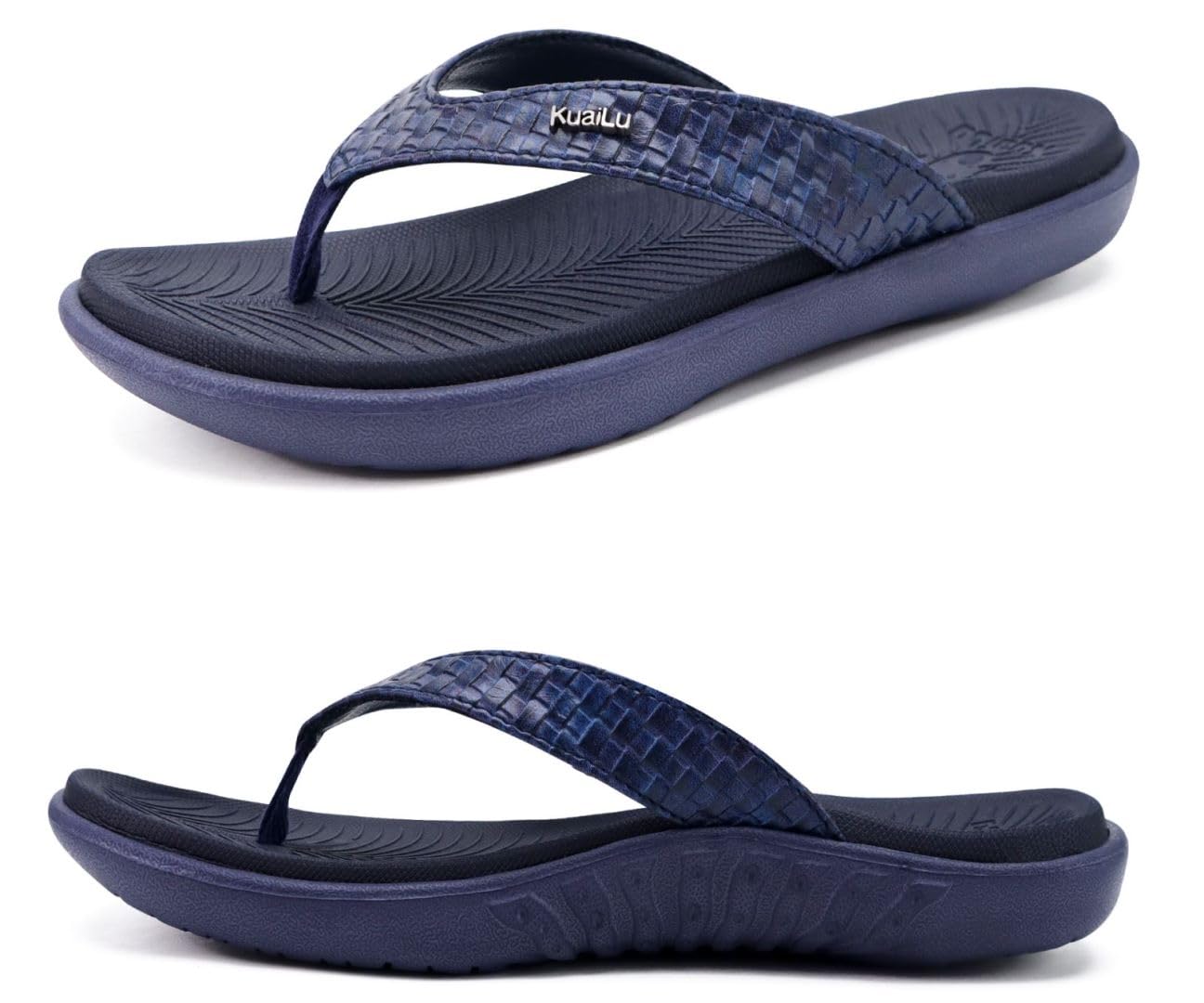
Some comfort brands use a soft TPE foam, often marketed as a "yoga mat" footbed, to get a cushioned, lightweight feel. KuaiLu, for instance, builds its footbeds from real TPE foam and pairs them with a contoured arch, which is the kind of construction that aims for the firm-but-forgiving balance podiatrists describe (full construction details on KuaiLu's brand site). The cluster's KuaiLu flip-flop pick is a good example of this category if you want to see how the spec translates into a real product.
Strap materials decide whether you blister
Straps are where most blisters start. The rule is soft and padded beats hard and thin. Podiatric and footwear sources recommend straps made from soft leather, padded synthetic, or neoprene, and warn that unpadded plastic or stiff synthetic straps dig into the skin and cause the rubbing that produces blisters (CNN Underscored walking-sandals roundup). Genuine leather has another advantage in heat: it breathes and dries faster than plastic, helping manage the moisture that makes friction worse (sandal manufacturing guidance).
If you are prone to blisters, look for a strap that crosses the widest part of your foot and is backed with something soft. New leather can be stiff for the first few wears, so break in any leather sandal gradually rather than wearing it straight out on a long day.
Outsole grip
The bottom of the sandal matters more in summer than people expect, because pool decks, tile, and rain-slicked cobblestones are all slippery. A rubber or TPR outsole with real tread gives you traction. The cluster's dressier Rihero slide pick, for example, uses a non-slip TPR outsole, which is the kind of detail worth checking on any sandal you plan to walk in rather than just stand around in.
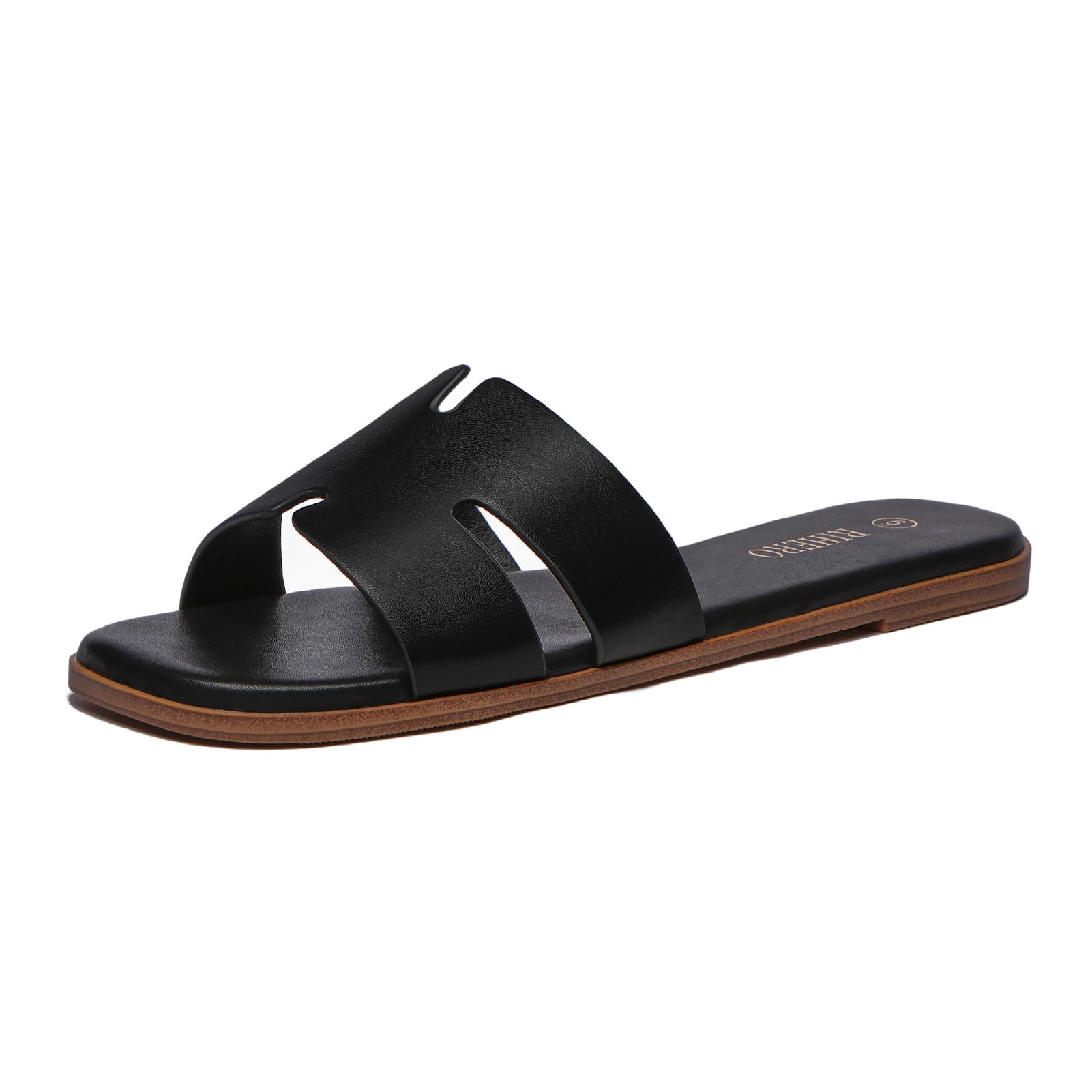
A dressy slide can still be a walkable sandal if the footbed is firm and the outsole has real grip.
Fit Is a Moving Target in Summer
Here is the part almost everyone gets wrong: your foot is not the same size all day, and it is especially not the same size in July.
Your feet swell, and the heat makes it worse
Feet naturally expand over the course of a day, and heat amplifies it. Blood vessels dilate to shed heat, which causes temporary fluid retention in the feet and ankles, and the practical result is that feet can swell five to ten percent by evening (Michigan Foot Doctors fit guide). A sandal that fits perfectly at 10 a.m. can feel like a tourniquet by 4 p.m. Several sources suggest sizing up by roughly a half size in warmer months to leave room for this (Bustle, quoting footwear experts).
Shop in the afternoon
Because of all that swelling, the single best fitting trick is timing. Try sandals on in the late afternoon or evening, when your feet are at their largest, so you are fitting to your real-world maximum rather than your morning minimum (KURU fit guide). If you order online, do the same with your home try-on: walk around in them at the end of a normal day, not first thing in the morning.
Adjustable straps are your friend
This is exactly why adjustable straps keep coming up. A buckle, a hook-and-loop closure, or a combination lets you loosen the sandal as your feet swell and tighten it back down when they shrink. Footwear guidance specifically recommends adjustable closures because they accommodate volume changes throughout the day and for anyone whose feet swell due to heat or a medical condition (CNN Underscored). The corollary: be wary of a fixed, non-adjustable ankle strap, which has no give when your foot expands.
Width matters more than length
When in doubt, go wider, not longer. Sizing up in length to chase more room just leaves your heel sliding and your toes reaching. The better move for swelling-prone feet is to find a wider sandal or one with straps across the forefoot, instep, and heel so the fit is customizable in the dimension that actually changes (Michigan Foot Doctors fit guide). A roomy toe box that lets your toes spread naturally is part of this too, and it is one of the features podiatric reviewers consistently reward.
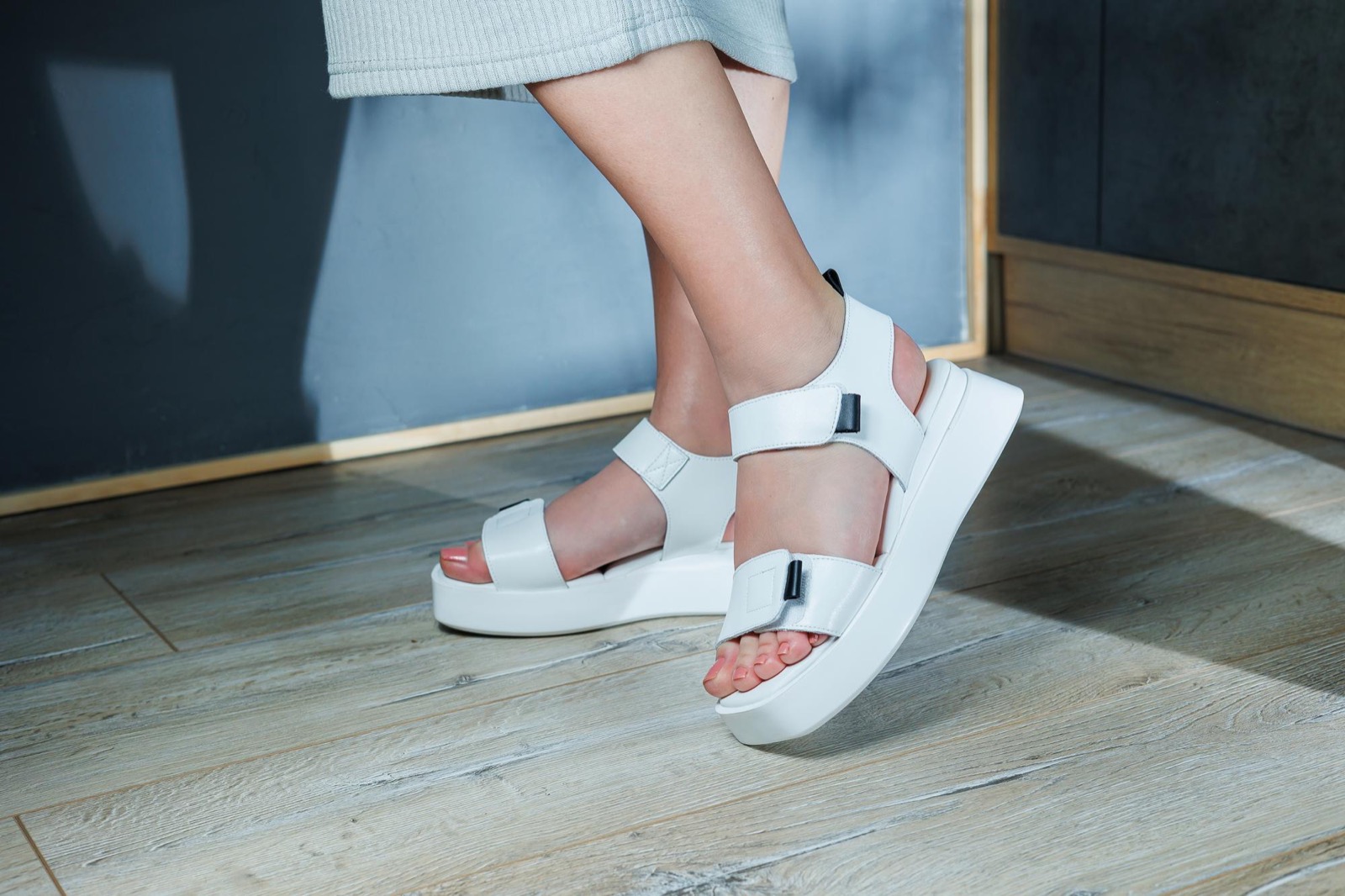
Fit in the afternoon, when your feet are at their largest, and choose width over length when you have to compromise.
Matching the Sandal to the Job
Not every sandal needs to do everything. One of the smartest things you can do is be honest about what you actually need the pair for, because the right answer for a walking-heavy trip is different from the right answer for a dinner out.
For walking all day or long distances
If you are after the most comfortable sandals for walking all day, prioritize structure above all. You want firm contoured arch support, a deep heel cup, a cushioned EVA or polyurethane midsole, adjustable straps at three points (forefoot, instep, heel), and an outsole with real tread. This is the "sport sandal" archetype, and it is what podiatrists reach for when recommending sandals for travel and long days on your feet (NBC Select walking-sandals guide). Models like the Chaco Z/Cloud, with its contoured arch, adjustable water-resistant straps, and shock-absorbing polyurethane build, are the template here (CNN Underscored walking-sandals roundup).
For the best sandals for walking long distances, including the cobblestone-and-stairs reality of a European trip, add one more requirement: a secure heel. Backless slides shift on uneven ground and force your toes to grip to keep them on, which is exhausting over miles. A back strap or an ankle strap solves it.
For problem feet
If you are shopping for the most comfortable sandals for problem feet, plantar fasciitis, bunions, flat feet, or a history of heel pain, lean hard on the support checklist and consider going a step further. Look for sandals carrying the American Podiatric Medical Association's Seal of Acceptance, awarded to footwear that a panel of podiatrists has reviewed and confirmed promotes foot health (APMA Seal program). The seal is not a guarantee that a given pair fits your specific foot, but it is a useful filter that screens out sandals with no real support. For bunions specifically, a wide toe box that lets the big toe sit straight is the priority; for plantar fasciitis, the arch height and heel cup matter most.
For dressier occasions
The good news is that you no longer have to choose between looking put-together and being able to walk. The category of fashionable comfortable sandals for ladies has grown precisely because brands learned to hide support inside a sleek silhouette. The trick when shopping dressy is to apply the same tests quietly: press the footbed, twist the sole, check for any arch contour at all. A dressy flat sandal with a firm footbed and a square or peep toe, like the cluster's Rihero dressy slide, can carry you through a dinner or a wedding far better than a stiff, flat strappy heel. Soft leather uppers help here too, both because they look refined and because they breathe and flex rather than rubbing (Aerothotic on dressy-but-comfortable picks).
What to avoid in the name of style: gladiator and heavily strappy sandals that lace up the leg can irritate the skin between straps and build up calluses, and they rarely offer real arch support (APMA). If you love the look, reserve it for short, mostly seated occasions rather than a day of walking.
Blister Prevention: The Details That Save Your Trip
Blisters are not bad luck, they are a fit-and-friction problem, and most of them are preventable with the right sandal and a little prep.
The mechanical cause is rubbing, so the prevention is anything that reduces movement and friction. Start with secure straps. Velcro, buckles, or a combination keep the foot from sliding forward and back, which is the motion that grinds skin against strap (CNN Underscored walking-sandals roundup). A sandal that holds your foot still cannot saw at it.
Material is the second lever. Soft leather, padded synthetic, and neoprene straps are gentle; bare plastic edges are the usual culprits. And the contact rule from earlier does double duty here, because keeping your whole foot on the footbed, with no part hanging over an edge, removes the hard rim that often causes a blister at the side of the foot (APMA).
A few practical habits round it out. Break in new leather sandals gradually rather than debuting them on a long day. Keep feet dry, since wet skin blisters faster, which is another argument for breathable materials in heat. And if a particular strap rubs, a thin blister-prevention balm or a strip of moleskin on the contact point can buy you a full day until the sandal softens.
Caring for Your Sandals So They Keep Supporting You
A sandal only protects your feet for as long as its footbed and straps hold up, so a little maintenance extends both the life of the pair and the support it gives. Let leather and cork footbeds dry fully between wears rather than sealing them in a bag damp, since trapped moisture breaks down both the material and any adhesive holding the layers together. Wipe footbeds occasionally to keep skin oils and grit from degrading the surface. And pay attention to the wear signal that matters most: once a footbed has visibly compressed or lost its arch contour, it has stopped supporting you, no matter how good the upper still looks. That is the point to replace, because a flattened footbed is functionally the dead-flat sandal podiatrists warned about in the first place.
Putting It All Together: Your Shopping Checklist
When you are standing in the store or staring at a product page, run through this short list. It compresses everything above into the handful of checks that actually predict comfort.
- Arch support that is firm, not soft. Press the footbed; it should resist, not sink. A contoured arch with a deep heel cup is the gold standard (CNN Underscored).
- A footbed that passes the twist test. Flex at the toes, stiffness through the middle. Excessive twist means too little support (CNN Underscored).
- Adjustable straps at multiple points. Buckles or hook-and-loop closures let you fit around heat-driven swelling (CNN Underscored).
- Soft, breathable strap materials. Leather, padded synthetic, or neoprene over bare plastic, to prevent blisters (CNN Underscored walking-sandals roundup).
- A breathable, shock-absorbing footbed material. EVA, cork-latex, or a firm TPE foam (CNN Underscored walking-sandals roundup).
- Full foot contact, no overhang. Toes and heel stay on the footbed (APMA).
- The right fit, sized in the afternoon. Go wider, not longer, and account for summer swelling (Michigan Foot Doctors fit guide).
- An APMA seal if you have problem feet. A useful filter for genuine support (APMA Seal program).
If you want to see how these criteria sort out across a full lineup of warm-weather picks, our guide to the best women's warm-weather sandals applies this exact checklist to specific pairs across the walking, problem-feet, and dressy categories, so you can match a real product to the way you actually plan to wear it.
The Bottom Line
Choosing summer sandals well comes down to refusing to shop with your eyes first. The pair that looks best on the shelf and the pair that carries you comfortably through a hot, busy day are rarely the same pair, and the difference is almost always under your foot: a firm contoured arch, a deep heel cup, adjustable breathable straps, and a fit that respects the fact that your feet swell in the heat. Run the twist test, press the footbed, fit in the afternoon, and match the sandal honestly to whether you are walking miles or sitting at dinner. Do that, and "cute" and "comfortable" stop being a trade-off.
Related Posts
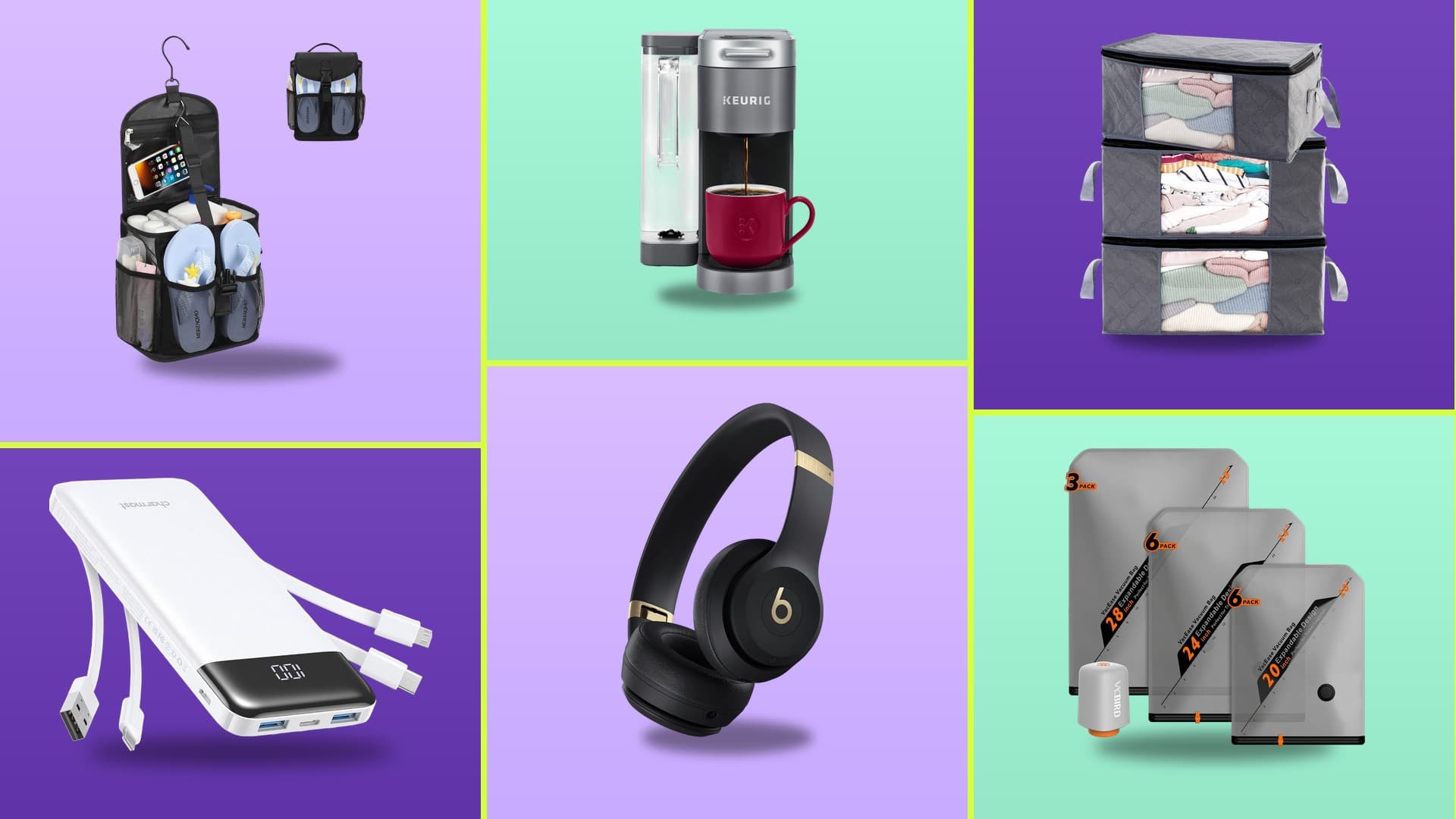
Buying Guides — Best Back to School Dorm Essentials 2026: 6 Research-Backed Picks
Skip the 75-item packing list. These six research-backed dorm essentials solve the problems every residence-hall student actually hits, from communal bathrooms to outlet shortages, all verified at July 2026 deal prices.