Traeger Ironwood Review: Is the TFB61RLG Worth $1,600?
 Abdulwahab Suleiman·July 2, 2026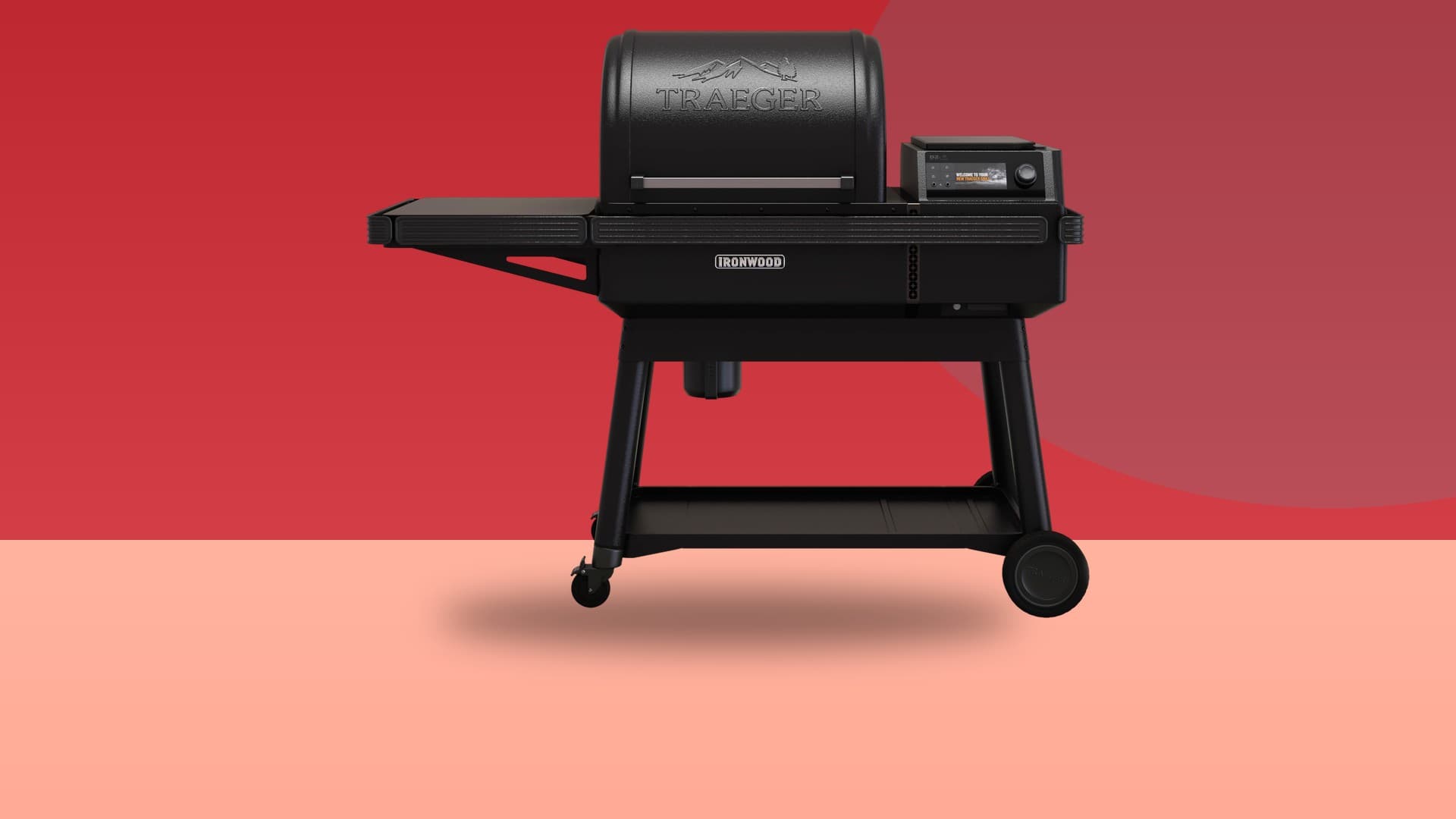
Traeger Ironwood Review: A Serious Smoker for People Who Want Fewer Excuses
The Traeger Ironwood (model TFB61RLG) sits in an awkward, interesting spot. It costs more than most casual weekend cooks want to spend, yet it undercuts Traeger's flagship Timberline line by a wide margin. That middle position is exactly the point. The Ironwood is built for the person who has outgrown a starter pellet grill, cooks often enough to care about temperature stability, and would rather manage a brisket from an app than babysit a firebox.
Traeger lists the Ironwood at $1,799.99 on its official product page, and retail deals routinely bring it closer to the $1,600 mark — either way, it is not an impulse buy. So the honest question is not whether the Ironwood is good. It clearly is. The question is whether its specific mix of 616 square inches, WiFIRE app control, and a genuinely clever ash-and-grease system justifies stepping up from a cheaper grill. This review works through the specs, the real-world performance reported by testers, and who should skip it.
Where to Buy
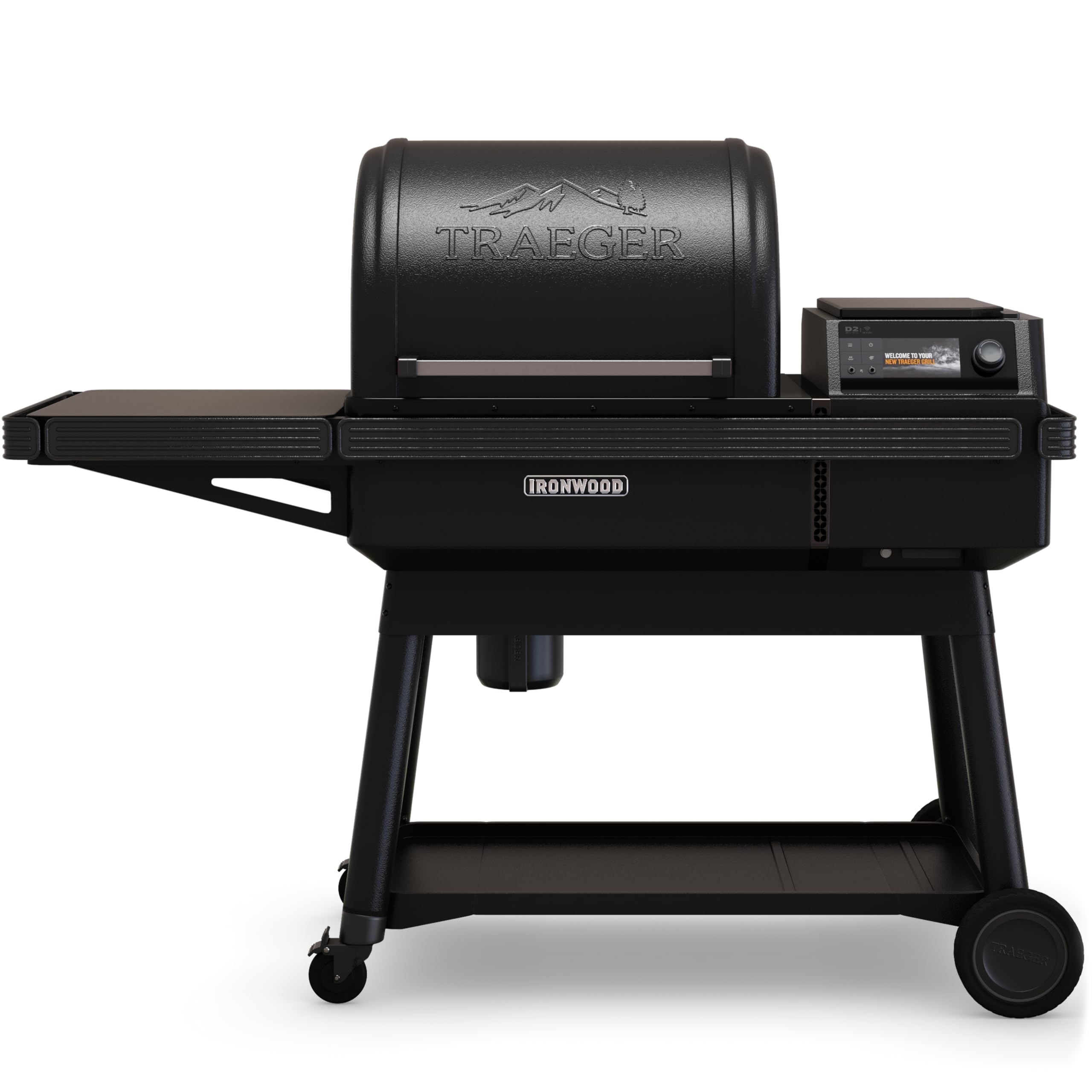
The Traeger Ironwood pairs a 616 sq in cooking chamber with WiFIRE app control and a downdraft exhaust.
What You're Actually Buying: The Ironwood Specs
The current-generation Ironwood is a redesign of the older Ironwood 650/885 platform, and the spec sheet reflects a grill aimed at frequent, multi-item cooks rather than tailgating.
Total cooking area is 616 square inches, split between a 396 sq in primary grate and a 220 sq in secondary rack, per Traeger's official specifications. That is enough for roughly a full brisket plus sides, or a couple of racks of ribs with room to spare, without pushing into the larger (and pricier) Ironwood XL footprint.
The temperature range runs from 165°F up to 500°F, which covers everything from low-and-slow jerky and fish to the high end pellet grills can reach for roasting and light searing. The 22-pound hopper feeds a Smart Combustion system with a built-in pellet sensor, so the app can warn you before you run dry mid-cook. Traeger backs the unit with a 10-year limited warranty, one of the longer coverage windows in the category.
Key specifications at a glance
- Total cooking area: 616 sq in (396 primary + 220 secondary)
- Temperature range: 165°F to 500°F
- Hopper capacity: 22 lb, with pellet sensor
- Included probes: Two wired Traeger meat probes
- Weight: 199 lb
- Connectivity: WiFIRE (Wi-Fi) with Traeger App
- Warranty: 10-year limited
You can confirm the full spec sheet on Traeger's Ironwood product page, which is the primary source for every figure above.
How the Ironwood Actually Cooks
Specs only tell you so much with a pellet grill. What separates a good one from a mediocre one is how tightly it holds temperature and how much clean smoke it lays down. Here the Ironwood earns its price.
In a hands-on test by Field & Stream, the grill stayed "within 20 degrees of the set temperature at all times and usually within 5 degrees" across the full range. For anyone who has fought a cheaper pellet grill's 40-degree swings, that consistency is the whole reason to spend up. It is driven by Traeger's Smart Combustion control, which modulates the auger and fans to keep the fire steady instead of chasing the setpoint.
The smoke story is just as strong. The Ironwood uses a downdraft exhaust at the back of the chamber that, combined with Traeger's convection design and fan system, circulates heat and smoke for a more efficient, smokier cook. That system feeds Super Smoke Mode, which raises smoke concentration at low temperatures. Field & Stream reported "noticeably superior smoke flavor" compared with competing pellet smokers, even on short cooks, and independent expert testing summarized on BBQGuys noted even heat distribution with burgers that "turned out identical" across the grate.
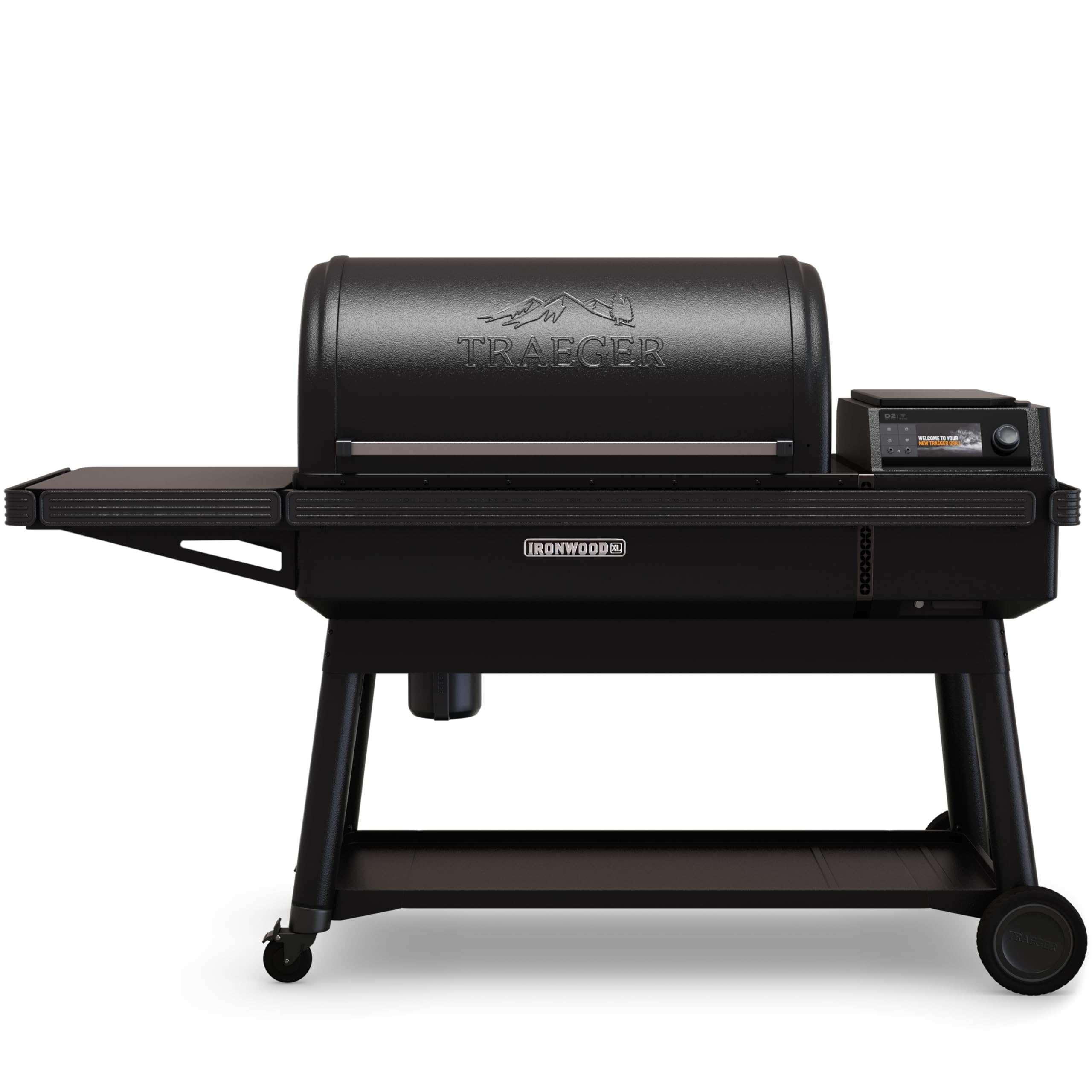
Step up to the Ironwood XL only if you regularly cook for a crowd; the standard Ironwood's 616 sq in suits most households.
Where a pellet grill will always fall short is aggressive searing. Field & Stream noted the Ironwood performed "surprisingly well" at high heat but, like every pellet grill, is not a replacement for a screaming-hot propane or charcoal grate. If your priority is a hard steak crust, that is a category limitation, not an Ironwood flaw.
The app and controller
The Ironwood runs Traeger's D2 controller with a touchscreen, and pairs to the Traeger App over WiFIRE. From the app you can set and change temperatures, monitor both wired probes, and pull from a large recipe library. Field & Stream called the interface intuitive and the smart-home integration a genuine convenience, though testers did wish for a bit more physical navigation-wheel control for moments when your hands are wet or greasy. Two probes come in the box, which is enough to track a large cut and a side dish at once without buying extras.
Living With It: Cleanup, Build, and Maintenance
Traeger clearly designed the Ironwood to be owned, not just admired. The standout is the EZ-Clean Grease & Ash Keg, a two-basin system that separates pellet ash from grease drippings into a single removable keg. In practice, reviewers found this cut cleanup time and reduced flare-up risk, since grease is not pooling next to hot ash.
Build quality holds up to the price. The chamber uses heavy-gauge steel with dual-wall insulation that reduces heat fluctuation in cold or windy conditions, a detail that matters if you smoke through fall and winter. The one durability caveat from testing: the drip tray is aluminum, which Field & Stream noted will eventually corrode, where stainless would last longer at higher cost. It is a wear part, not a dealbreaker, but worth knowing.
At 199 pounds, this is a stay-put grill. Plan its spot on a patio or deck before assembly rather than expecting to wheel it around a large yard.
Ironwood vs. Ironwood XL: Which Size?
The most common cross-shop is inside Traeger's own lineup. The standard Ironwood's 616 sq in handles a typical household and the occasional gathering. The Ironwood XL stretches to 924 sq in for people who routinely cook for a crowd or want to run multiple large cuts at once, at a higher price. If you are unsure, the deciding factor is honest frequency: buy the XL only if "cooking for 10-plus" is a normal weekend, not a once-a-year event. Our full Traeger Ironwood XL review breaks down whether the extra capacity is worth the step up.
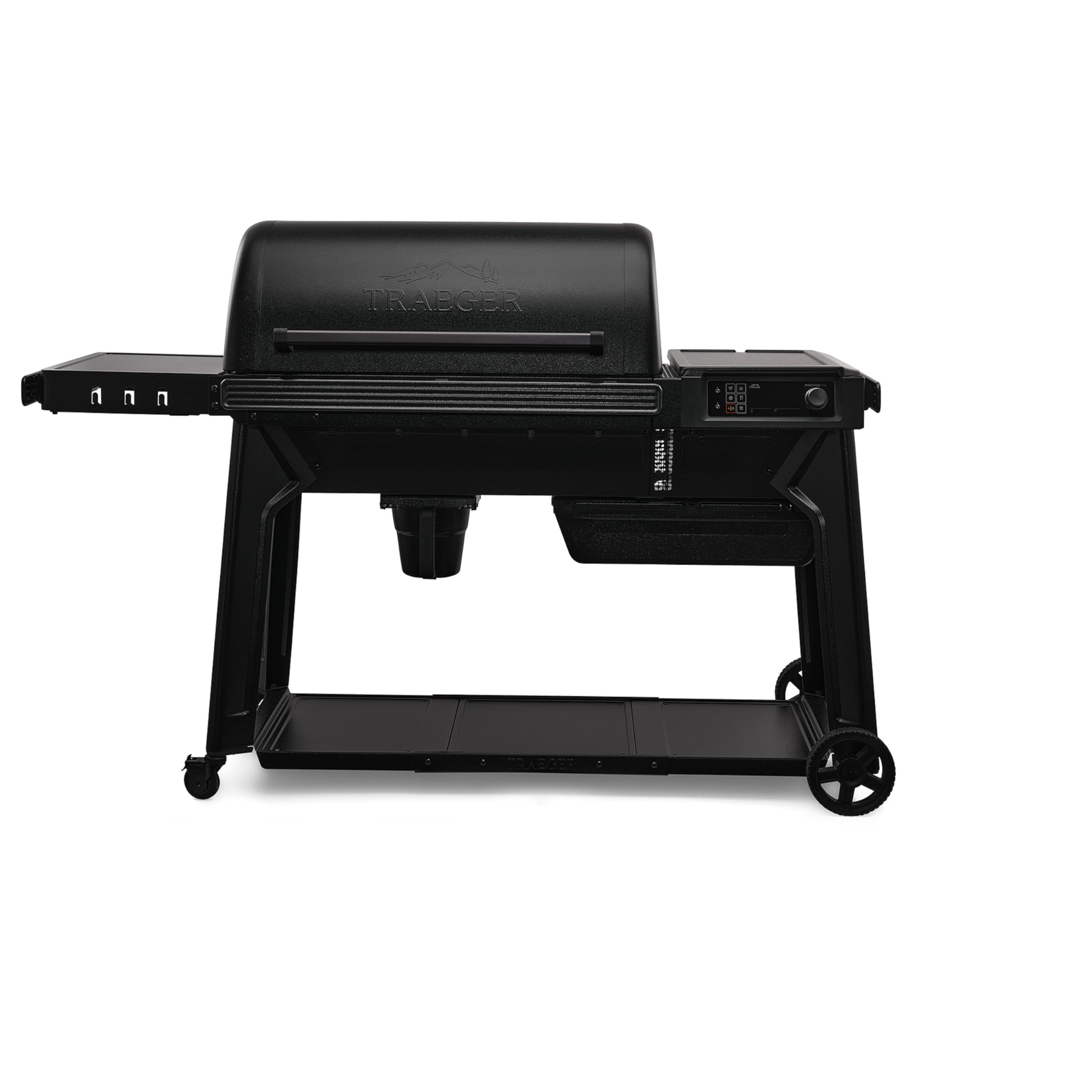
The Woodridge Pro delivers Wi-Fi smoking at a lower entry price for cooks who want a simpler feature set.
If you want Wi-Fi smoking at a lower entry price and can accept a simpler feature set, the Traeger Woodridge Pro review covers a more budget-conscious alternative in the same family. And to see how the Ironwood stacks up against every model we cover, including Z Grills value picks, start with our guide to the best pellet grills.
Who Should Buy the Traeger Ironwood
Buy it if you smoke regularly, want app-driven temperature control you can trust, and value a warranty and cleanup system built for the long haul. The tight temperature hold and strong smoke output are exactly what justify moving up from an entry-level grill.
Skip it if a hard sear is your main goal, if you need something you can move around a large property often, or if you only fire up a grill a handful of times a year. In those cases the price is hard to rationalize, and a simpler pellet grill will serve you better.
For a frequent cook who wants a set-it-and-forget-it smoker with room for a full brisket and sides, the Ironwood is one of the more defensible splurges in the category. At its current price near an all-time low, the value case is stronger than the sticker alone suggests.
How We Research
Our verdict on the Traeger Ironwood is built from three independent evidence layers, cross-checked against one another. First, we anchor every specification, temperature range, and capacity figure to the manufacturer's own published spec sheet on Traeger's official Ironwood page, so the baseline numbers are primary-source accurate. Second, we weigh performance findings from reputable, independent editorial testing, including the tested review from Field & Stream and expert evaluation from BBQGuys, prioritizing concrete measured observations (like actual temperature swing) over marketing language. Third, we track live retail pricing and deal history so the value judgment reflects what the grill actually costs today, not an outdated MSRP. When those layers agree, we state a claim plainly. When a source is thin or a claim can only be traced to unverifiable chatter, we leave it out rather than pad the review.
Where to Buy
Related Posts