Traeger Woodridge Pro Review: A Feature-Packed Mid-Range Pellet Grill
 Abdulwahab Suleiman·July 2, 2026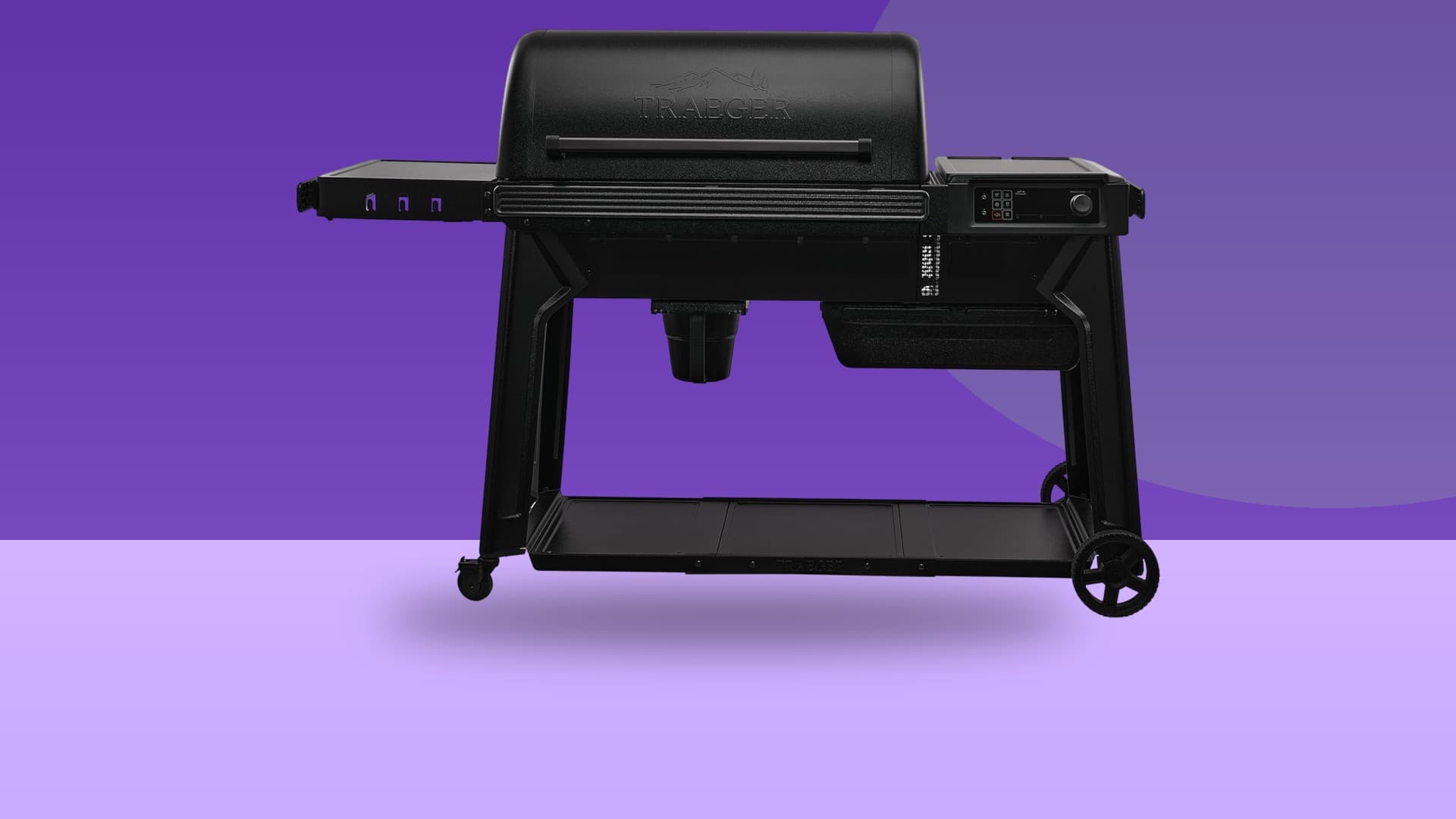
Traeger Woodridge Pro Review: Where It Fits
Traeger rebuilt its entry and mid-range lineup around the Woodridge family, and the Woodridge Pro sits in the sweet spot of that range. It keeps the connected-cooking features most backyard smokers actually want, adds real cooking capacity, and does it without pushing into flagship-cabinet money. This Traeger Woodridge Pro review looks at what the grill offers, where the compromises are, and who it genuinely suits.
The short version: the Woodridge Pro is the model most people in this range should look at first. It lands between the pared-back base Woodridge and the pricey Woodridge Elite, and it carries the two features that matter most for the money, extra cooking real estate and Super Smoke, without the Elite's cabinet-and-searing-burner premium. According to Engadget's review of the Woodridge line, the Pro adds 110 square inches of cooking space over the base model, plus Super Smoke mode, a hopper pellet sensor, and a folding side shelf, for roughly $200 more.
Where to Buy
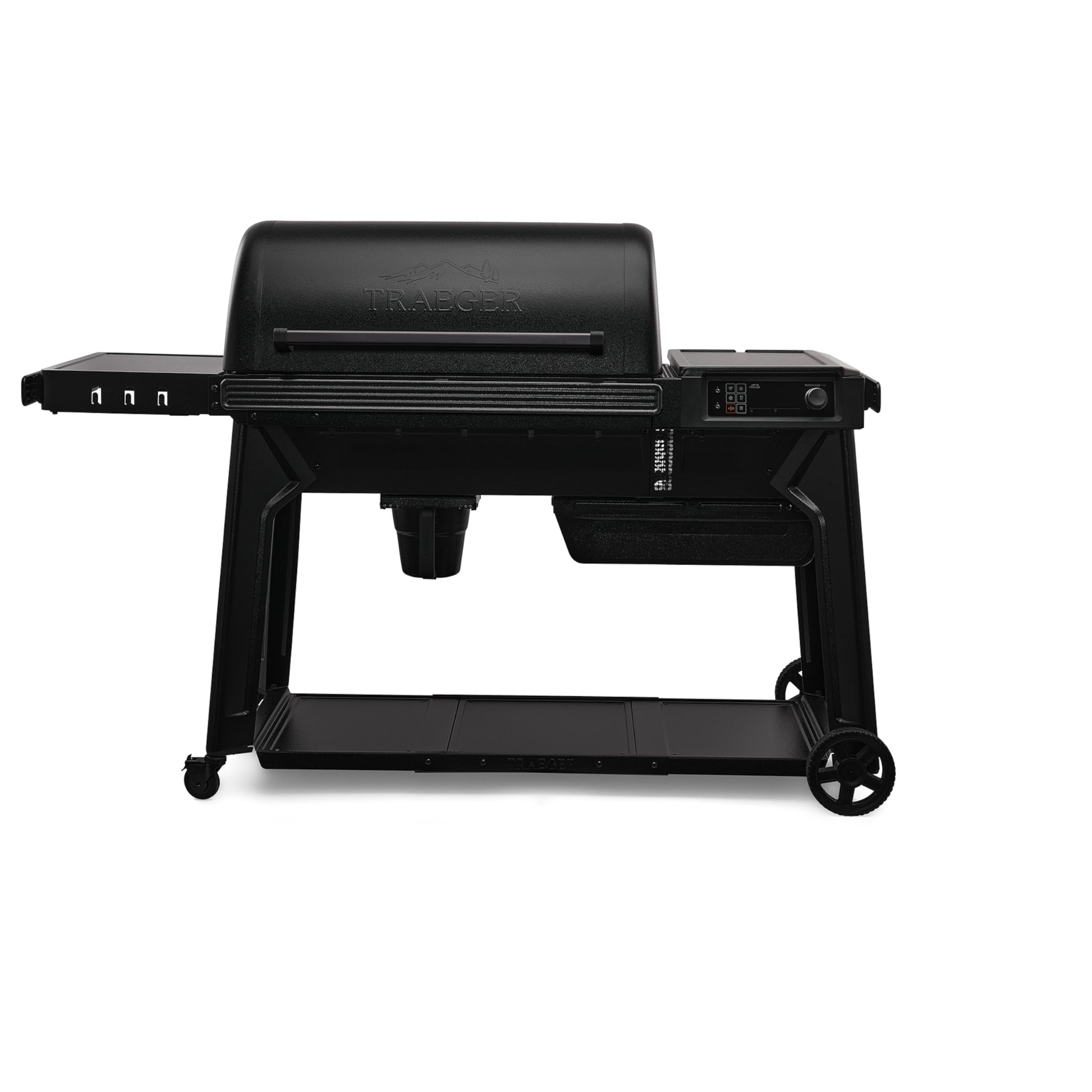
The Woodridge Pro pairs a 970 sq. in. cook area with WiFIRE app control.
If you want the wider context on how pellet grills stack up against each other, our best pellet grills guide covers the full field, and this review drills into where the Woodridge Pro earns its place in it.
Traeger Woodridge Pro Specs And What They Mean
The headline number is the cook space. Traeger lists the Woodridge Pro at 970 square inches total, split across two racks, 585 square inches on the main grate and 385 on the upper rack, per the official Traeger Woodridge Pro product page. Traeger translates that into roughly 7 chickens, 9 racks of ribs, or 7 pork butts, which is genuinely large-family or small-gathering territory rather than couple-sized.
Fuel capacity backs that up. The 24-pound hopper is sized for long overnight cooks, and an integrated digital pellet sensor reports remaining fuel to the Traeger app so you are not lifting the lid to check. Real-world pellet burn runs about 1 pound per hour at 225°F and climbs to roughly 3 pounds per hour at 450°F, according to hands-on testing by Smoked BBQ Source. That math means a full hopper comfortably covers a low-and-slow brisket without a mid-cook refill.
Temperature Range And Control
The Woodridge Pro runs on a fully digital controller with a working range topping out at 500°F. That ceiling is worth flagging early: it is plenty for smoking, roasting, and most grilling, but it is not a hard-searing machine. If you want restaurant-style char, that is the gap the Woodridge Elite's dedicated infrared side burner is designed to fill.
Connectivity
WiFIRE is the connected-cooking layer. It pushes temperatures, probe readings, and timers to the Traeger app, and lets you adjust grill temperature, trigger Keep Warm mode, or shut the grill down remotely. Smoked BBQ Source calls the Traeger app more reliable and easier to use than any other grill app, which matters because a flaky app quietly ruins the whole value proposition of a connected smoker.
Here is a quick reference of the core specs, all drawn from Traeger's official listing:
- Total cooking area: 970 sq. in. (585 main + 385 upper)
- Hopper capacity: 24 lbs with digital pellet sensor
- Max temperature: 500°F
- Probes: wired meat probe included; Bluetooth thermometer compatible
- Weight: 174 lbs
- Warranty: 10-year limited
How The Woodridge Pro Performs
Capacity and features only matter if the cooker holds a line. On that front the Woodridge Pro reads well. Smoked BBQ Source found it maintains steady temperatures with no erratic swings and recovers quickly after the lid is opened, holding heat well for a single-walled body rather than spiking and dipping the way cheaper pellet grills tend to. For a mid-range grill, stable temps and fast recovery are the two performance traits that separate a good smoker from a frustrating one.
Super Smoke mode is the flavor headliner. It ramps up wood-fired smoke at low temperatures at the push of a button, and the Smoked BBQ Source testing noted a real, noticeable increase in smoke flavor when running low and slow. There is a caveat worth knowing: that smoke character drops off noticeably above roughly 325°F, so Super Smoke is a low-temperature tool, not something you lean on while grilling hot.
The Compromises
This is a single-wall grill, and it behaves like one. The trade-off is honest rather than hidden: Smoked BBQ Source describes thinner steel than expected and a lighter, less sturdy feel than the pricier Ironwood, plus a few omissions that show where Traeger drew the cost line. There is no interior lighting, no lid gasket (so expect minor smoke leakage), and the upper rack can cook unevenly, which eats into how much of that 385 square inches is truly usable. Early cooks can also produce more pellet dust and ash than you would like until things settle in.
None of those are dealbreakers at this price, but they are the reasons to spend up if double-wall insulation, a sealed lid, and a cabinet base are must-haves for you.
Woodridge Pro vs Woodridge vs Ironwood
Choosing within Traeger's range comes down to a few clear splits.
Against the base Woodridge, the Pro is the upgrade most buyers will want. For about $200 more it adds 110 square inches of cook space, Super Smoke, the hopper pellet sensor, and the folding side shelf. If you cook for more than a couple of people or care about maximizing smoke flavor, those additions justify the step up. If you cook small and rarely, the base model saves money without losing the core WiFIRE experience. Our Traeger Woodridge review breaks down that base model on its own terms.
Against the Woodridge Elite, the Pro is the value pick. The Elite keeps the same 970-square-inch cook area but adds insulated double-wall construction, an enclosed cabinet base, and a 1,100-watt infrared side burner, all for roughly $1,600. Engadget's take is blunt: that price premium makes the Elite much less attractive than the other Woodridge options for most buyers. You are paying flagship money for searing power and heat retention that a lot of backyard cooks will not miss.
If you want more capacity and a sturdier build than the Woodridge Pro delivers, the step is usually into Traeger's Ironwood tier, which our Traeger Ironwood XL review covers for anyone cooking at higher volume or wanting insulated performance.
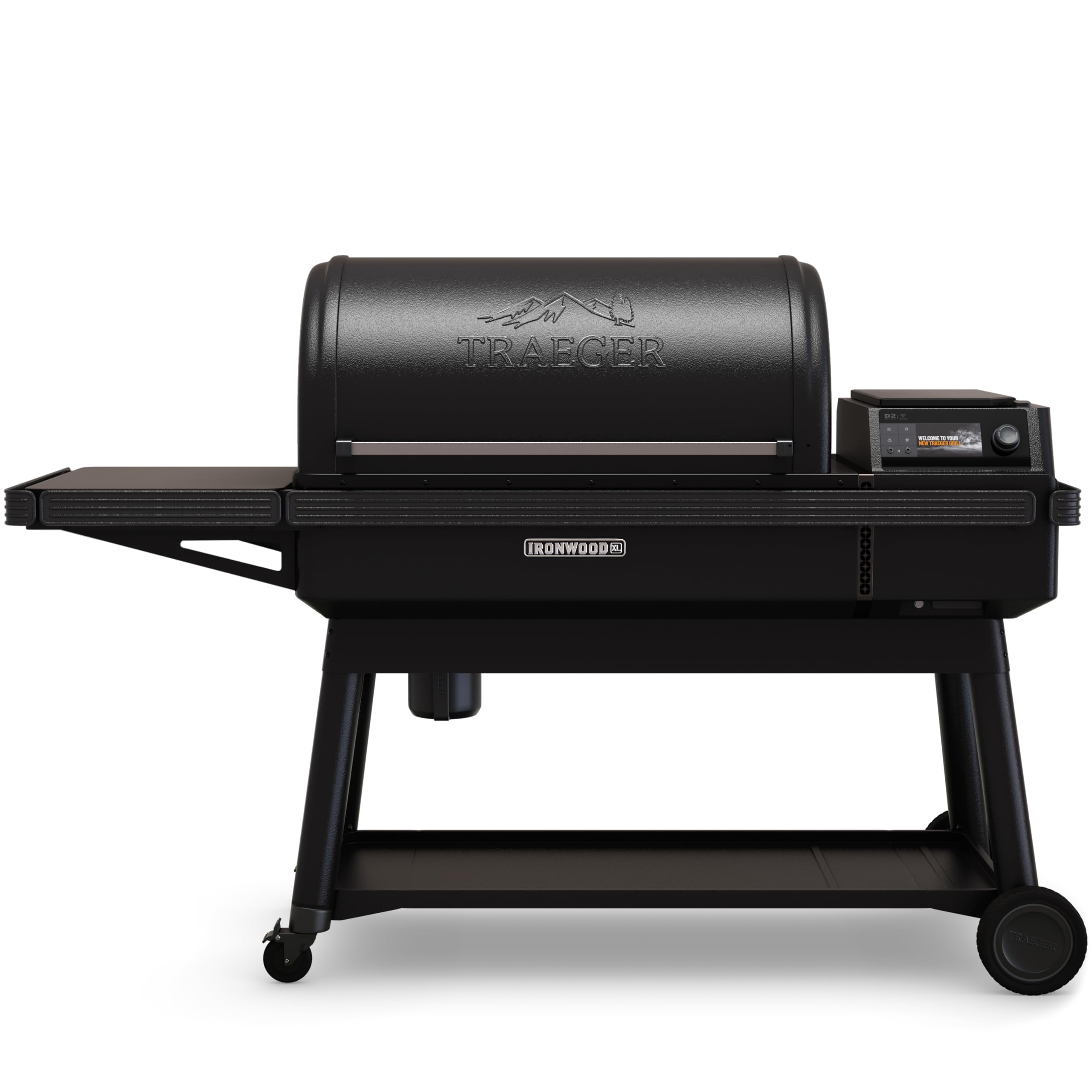
Step up to the Ironwood tier for insulated build and larger capacity.
Is The Traeger Woodridge Pro Worth It?
For the person who wants a large, connected pellet grill without paying flagship prices, yes. The Woodridge Pro nails the fundamentals, generous 970-square-inch capacity, a 24-pound hopper with fuel sensing, dependable temperature control, and one of the better cooking apps on the market, and it pairs them with Super Smoke for genuinely improved low-and-slow flavor. Traeger lists it at $1,149.99, and it has been appearing below that; the Amazon deal referenced in this review was $999 (prices change, so confirm the current figure before buying).
The reasons to look elsewhere are specific and easy to self-diagnose. If you sear often and want temperatures and a burner built for it, or you need the insulation and sealed lid of a double-wall body, step up to the Elite or into the Ironwood line. If you cook small and want to save, drop to the base Woodridge. But if your cooking is mostly smoking and roasting for a family or a crowd, the Woodridge Pro is the model in this range that gets the balance right, and it is the one we recommend most readily in our best pellet grills guide.
How We Research
Zuqqis reviews are built on three independent evidence layers, cross-checked against each other before we form a verdict. First, we anchor every spec claim, capacity, temperature range, hopper size, warranty, on the manufacturer's official documentation, in this case Traeger's own Woodridge Pro product page. Second, we weigh independent hands-on and lab-style reporting from established grilling and product-testing publications, drawing here on Smoked BBQ Source and Engadget for real-world temperature stability, build quality, and lineup comparisons. Third, we place the product inside its competitive set, comparing tier against tier so a recommendation reflects the alternatives, not just the item in isolation.
Where those layers agree, we state a finding plainly. Where they diverge, or where a claim can only be traced to a single unverifiable source, we drop it rather than pass it along. Prices are dated and treated as snapshots, because deal pricing on pellet grills moves constantly. That standard is why this review flags the single-wall build, the 500°F ceiling, and the upper-rack unevenness as clearly as it flags the strengths, an honest picture is the only one worth publishing.
Where to Buy
Related Posts