BOTLUXE PC10 Robotic Pool Vacuum Review: Is the Cordless Cleaner Worth It?
 Abdulwahab Suleiman·June 16, 2026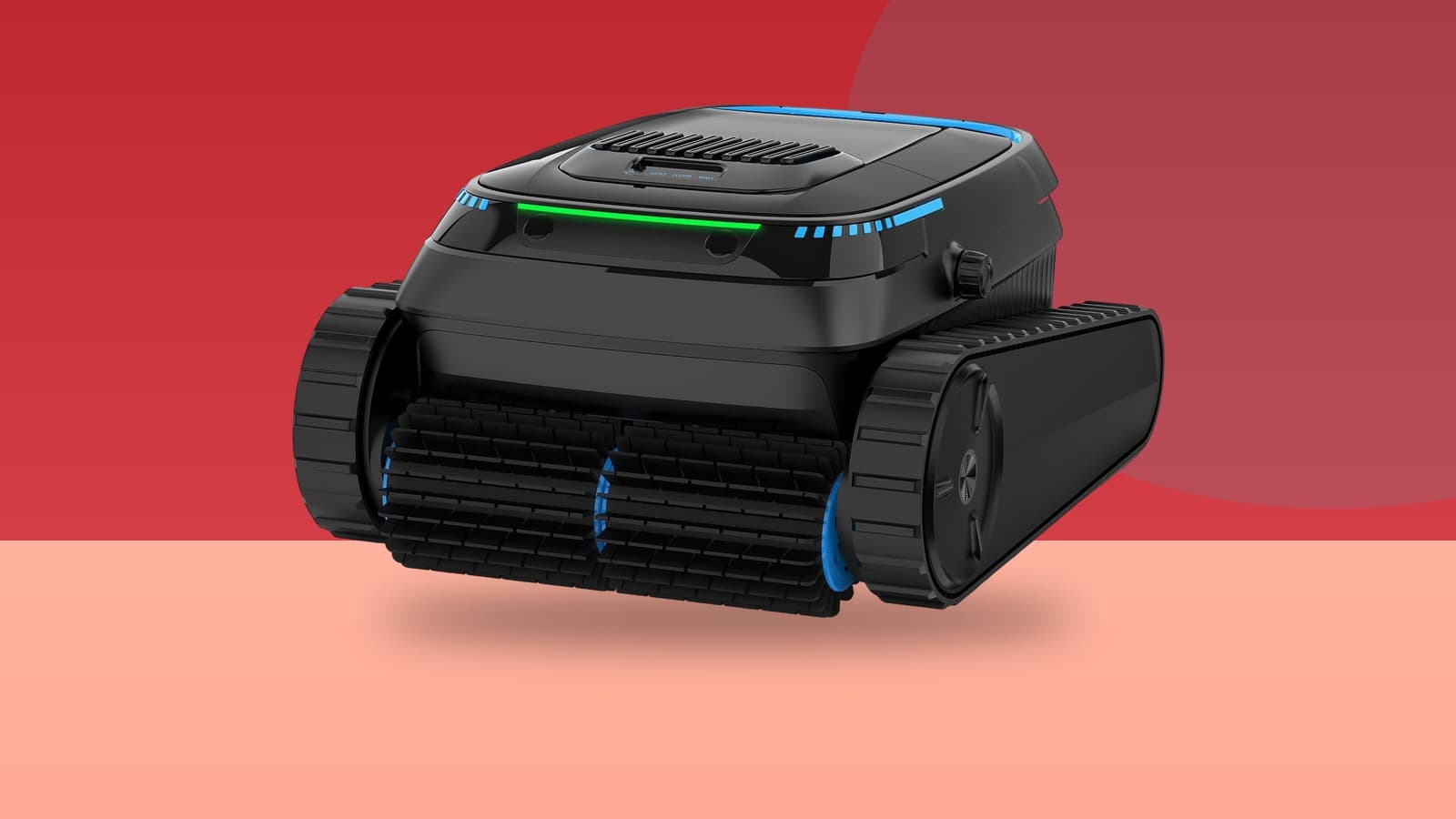
Our Verdict
Value
Features
Performance
The Good
- No cord, hose, or booster pump to manage
- Cleans walls and waterline, not just the floor
- 120-minute runtime is strong for the cordless class
- Fine 150-micron filter captures sand and sediment
- Self-parking makes retrieval easy
The Bad
- Corded robots still out-test it on filtration and suction stability
- Battery means a multi-hour recharge between runs
- No true scheduled weekly automation like corded timer models
- Cordless category has a safety history — verify certification before buying
Zuqqis rates this 3.4 out of 5. The score is derived from our own assessment of value, features, performance, weighted by what matters most to buyers. We research published specifications, independent testing and verified owner feedback — we do not accept payment for ratings. How we rate
The BOTLUXE PC10, in one breath
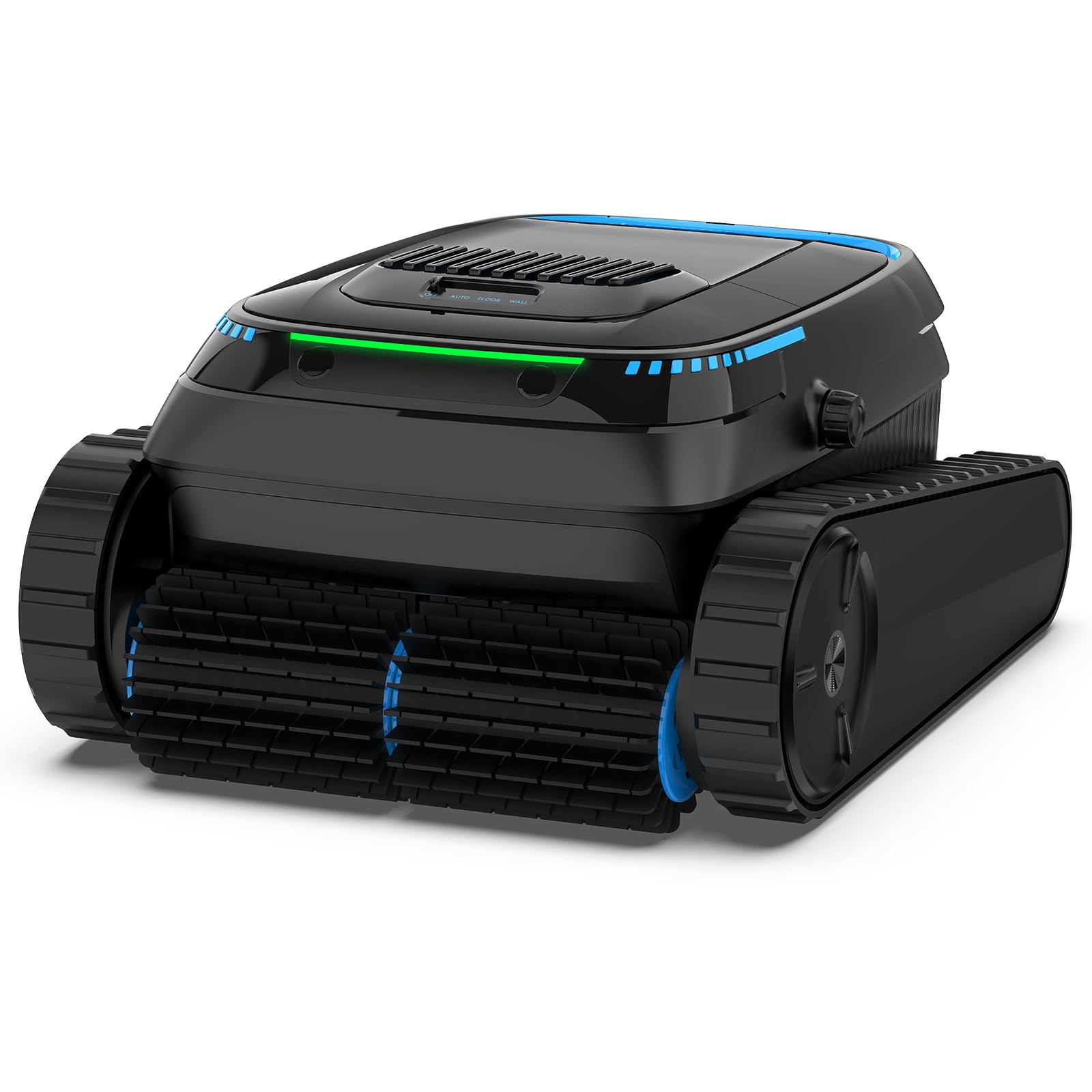
The BOTLUXE PC10 is a cordless robotic pool vacuum built to scrub the floor, walls, and waterline of both inground and above-ground pools without a hose, a booster pump, or a cable trailing across your deck. It runs on a built-in 5,200 mAh battery, claims up to 120 minutes per charge, and pushes water through its intake at a rated 5,000 GPH while two rotating brushes agitate dirt loose ahead of the pickup. According to the manufacturer's Amazon product listing and BOTLUXE's official site, it navigates with planned N-shaped and S-shaped paths, climbs slopes up to 30 degrees, and self-parks at the waterline when it's done so you can lift it out without diving an arm in.
That's the pitch. The question this review answers is narrower and more useful: for the kind of pool you actually own, is a cordless robot like the PC10 the right tool, or are you better served by something corded? We'll get specific, and we'll be honest about where cordless models in general have stumbled.
Where to Buy
The BOTLUXE PC10 is a fully cordless robot — no hose, no booster pump, no deck cable.
How we evaluated the PC10
Our verdict on the PC10 synthesizes three independent evidence layers cross-checked against one another: BOTLUXE’s published specifications and materials, findings from professional reviewers who bench-test these machines, and recurring themes in verified owner feedback. That breadth is the point — it reflects how the cleaner performs across many pools and many users rather than a single afternoon in one. We anchored every spec on BOTLUXE’s published figures, then cross-checked the broader cordless-robot category against independent editorial testing — primarily The Pool Nerd's 2026 testing roundup, which has bench-tested 30-plus machines — and against the U.S. Consumer Product Safety Commission's public recall record. Where the manufacturer's claim and the independent record disagree, we tell you. You should weigh the marketing numbers below as exactly that: manufacturer specifications, not measured results.
What you're actually buying: the PC10's specs decoded
Spec sheets bury the lede, so here's what each number means for you in the deep end.
5,000 GPH suction. GPH (gallons per hour) describes how much water the pump moves through the filter, which is a reasonable proxy for pickup strength. For context, the corded units that win independent tests, like the Dolphin Premier, are rated north of 4,500 GPH of continuous filtration, per The Pool Nerd. So on paper the PC10's peak rating is competitive. The catch with any battery cleaner is that "rated" suction is a peak figure, not a guarantee of constant draw as the charge drains.
5,200 mAh battery, up to 120 minutes. Two hours is a genuinely useful runtime for a small-to-medium pool, and it's on the longer end for cordless. BOTLUXE lists the runtime as "up to" 120 minutes, which in practice scales down with debris load, wall-climbing, and battery age. The trade-off baked into every cordless design is the recharge wait afterward — typically several hours — which is the single biggest knock independent reviewers level at the whole category.
150-micron, 4-liter filter. The PC10 uses an ultra-fine 150μm mesh basket, per BOTLUXE. That's fine enough to grab sand and fine sediment, not just leaves, and the 4L capacity means fewer mid-clean empties for a leaf-heavy pool. It's a top-load basket, which is the configuration most owners find least annoying to rinse.
30-degree climb and tread drive. Caterpillar-style treads (rather than wheels) and a 30-degree climb rating are what let the robot leave the floor, scale the walls, and scrub the waterline where body oils and scum collect. Waterline cleaning is a real differentiator — plenty of budget robots only do the floor.
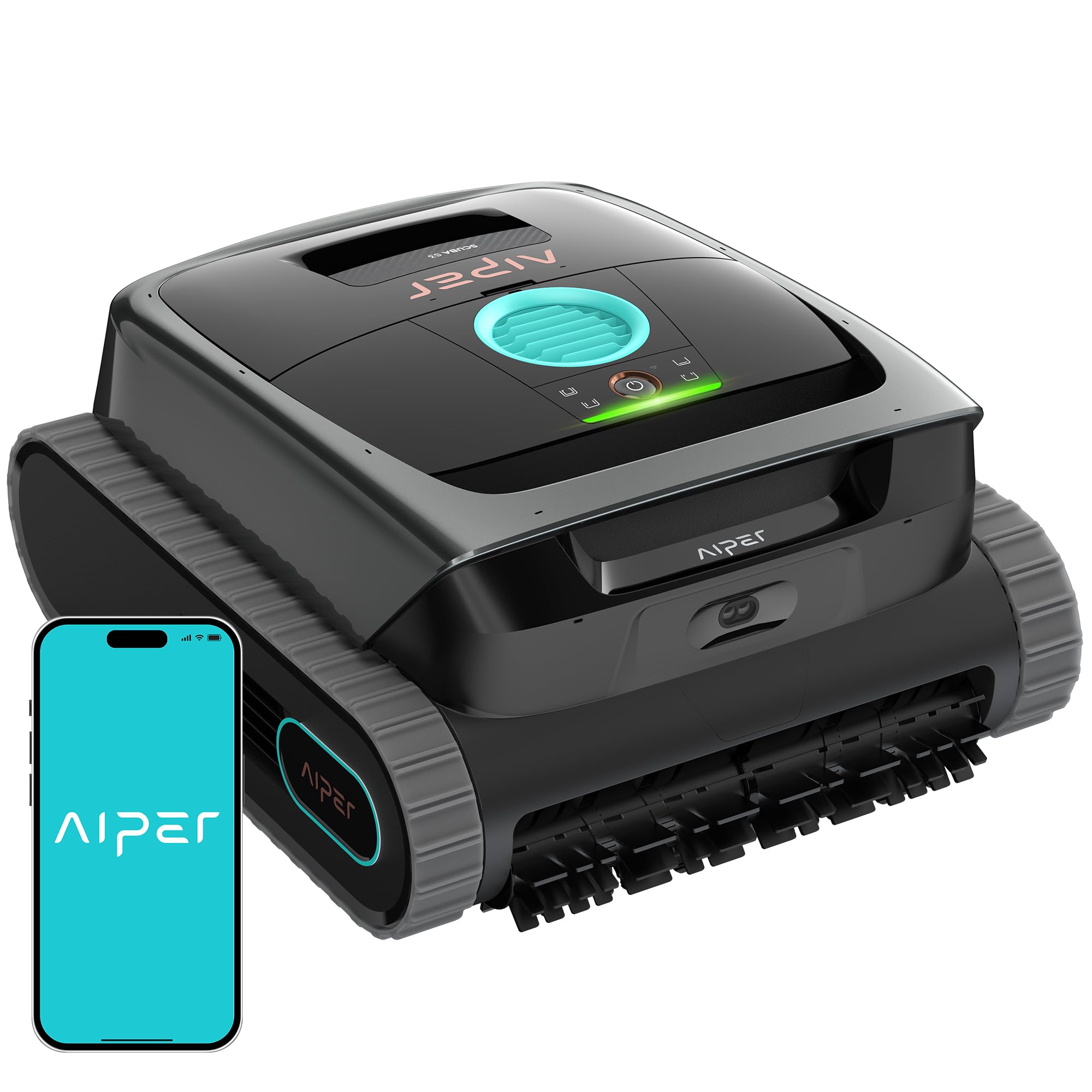
Cordless rivals like the Aiper Scuba S3 push runtime to 240 minutes — runtime is the spec to compare first.
Specs at a glance
A quick reference before we get into the trade-offs. Full specifications live on BOTLUXE's official site.
- Power source: Cordless, rechargeable 5,200 mAh battery
- Rated suction: 5,000 GPH
- Runtime: Up to 120 minutes per charge
- Filter: 4L basket, 150-micron ultra-fine mesh
- Cleaning coverage: Floor, walls, and waterline
- Climb rating: Slopes up to 30 degrees, tread drive
- Navigation: Smart path planning (N-shaped and S-shaped), self-parking
Where the PC10 ranks among the highest-rated robotic pool cleaners
If you're searching for the highest-rated robotic pool cleaner, here's the uncomfortable truth that the spec war obscures: in independent, hands-on testing, corded robots still beat cordless ones on the metrics that decide whether your pool actually stays clean. The Pool Nerd, after testing more than 30 machines, found corded units came out ahead "in suction power, filtration, and runtime — every single time," and the editorial flatly declines to crown a cordless model as its overall best pick (The Pool Nerd).
That doesn't make the PC10 a bad machine. It means the PC10 competes in the cordless tier, and within that tier the metrics that matter are runtime, suction stability across the charge, and whether the brand has a clean safety record. On runtime the PC10's 120 minutes is solid, though some rivals push further — the Aiper Scuba S3, for instance, advertises up to 240 minutes for inground pools. The honest framing: the PC10 is a strong convenience-first pick, not the absolute-cleanest pick. If spotless filtration is your top priority and a cable on the deck doesn't bother you, the category leaders are corded.
For the full field — corded and cordless, ranked — see our companion guide to the best robotic pool cleaners of 2026, which puts the PC10 alongside its direct rivals.
Best corded pool robot in 2026, if that's the way you lean
Plenty of shoppers who start out wanting cordless end up choosing corded once they understand the trade-off, so it's worth naming the alternative directly. The corded class is led by the Dolphin family — the Dolphin Premier is the repeat overall winner in The Pool Nerd's 2026 testing, with dual commercial-grade motors, swappable filtration media, and a three-year warranty. The reason corded keeps winning is unglamorous: a cable means uninterrupted power, so there's no suction drop-off as a battery drains and no multi-hour recharge before the next run. You trade the tidy, hose-free deck for consistency.
The PC10's counter-argument is equally simple: no cord to snag, no booster pump to install, and you drop it in and walk away. For a small or seasonal pool, that convenience can outweigh the last few percent of filtration performance. Match the tool to the pool.
What vacuum do professional pool cleaners use?
People searching this expect the pros to use a souped-up version of a consumer robot. They usually don't. Professional and commercial pool techs lean on manual vacuum heads connected to the pool's own filtration or a dedicated portable pump-and-filter cart, plus heavy-duty commercial robotic cleaners built for the volume and depth of public pools. The reason is control and serviceability: a tech walking a vac head can target a specific algae bloom or a pile of storm debris far faster than waiting out a robot's path, and commercial machines are built around continuous corded power and rebuildable parts.
The takeaway for a homeowner: a consumer robot like the PC10 isn't trying to replace the pro's manual rig. It's automating the routine maintenance vacuuming a pro would charge you to do weekly. For that job — keep the floor and waterline clean between deeper services — a capable cordless robot is a sensible fit, especially if you'd otherwise skip vacuuming altogether.
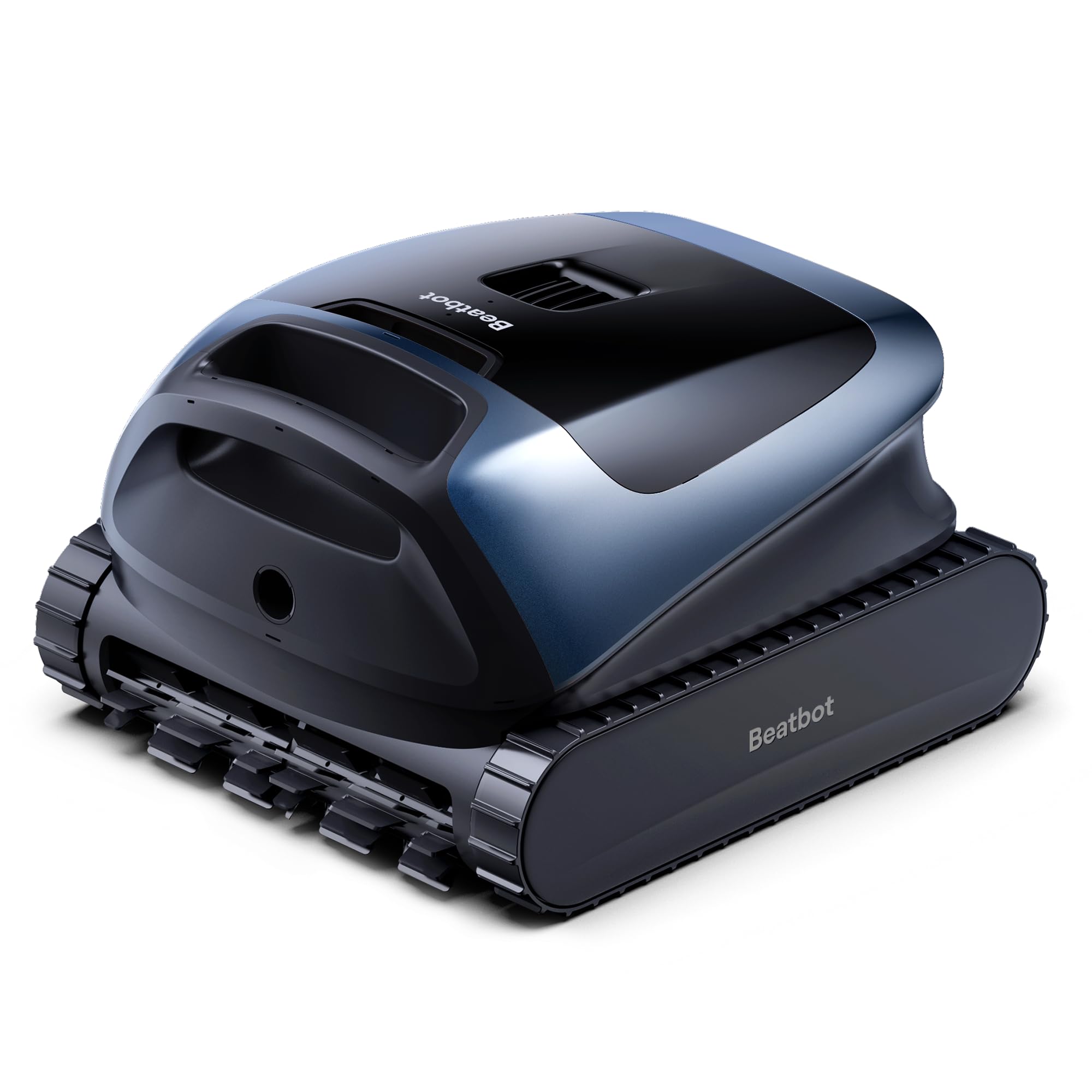
High-end robots like the Beatbot Sora 30 chase pro-grade runtime and capacity — most homeowners don't need that much machine.
The honest case against cordless (and how it applies here)
We'd be doing you a disservice to skip this. The cordless robot category has a real safety footnote: in 2025 the CPSC oversaw a recall of roughly 22,000 Aiper cordless pool cleaners over risks of battery overheating and short-circuiting, as documented in The Pool Nerd's coverage. That recall was specific to certain Aiper units, not the BOTLUXE PC10 — but it's the clearest reminder that a large lithium battery sitting in a pool is a component you want from a brand with a clean record and proper UL/ETL safety certification. Before buying any cordless model, confirm the current listing shows a recognized safety certification and check the CPSC recall database.
The other cordless caveats apply to the PC10 as much as any rival: runtime falls as the battery ages, you can't schedule a true "set it weekly and forget it" cleaning the way a corded robot with a timer allows, and you'll wait on a recharge between runs. None of these are dealbreakers for a casual pool. They're the price of a hose-free deck, and you should buy with them in mind.
Does Costco sell robot pool cleaners?
Short answer: warehouse clubs like Costco do rotate robotic pool cleaners into their lineup seasonally — typically Dolphin and other major-brand models in spring and early summer, both in-warehouse and online — but availability is inconsistent and the specific models change year to year. The BOTLUXE PC10 itself is sold primarily through Amazon and BOTLUXE's own store rather than warehouse clubs, so if you're set on the PC10, those are the channels to watch. If you're brand-flexible and want a club's bundled warranty and easy returns, it's worth checking Costco's seasonal stock, but don't count on a particular model being there.
Who the BOTLUXE PC10 is right for
Buy the PC10 if you have a small-to-medium inground or above-ground pool, you value a clean, cord-free deck, and you want floor, wall, and waterline cleaning without installing anything. The 120-minute runtime and 150-micron filter are well matched to routine weekly maintenance, and the self-parking finish is a genuinely nice touch when it's time to fish it out.
Look elsewhere if you run a large pool, you want true scheduled automation, or you simply want the best-filtering machine regardless of the cord — in those cases a corded Dolphin-class robot is the stronger buy. And if your pool is more about surface leaves than floor grime, a solar-powered surface skimmer is a different, complementary tool worth weighing — we cover one in our Betta Flex solar pool skimmer review.
Either way, decide on pool size and your tolerance for the recharge wait first. Those two answers point you to corded or cordless faster than any single spec on the box.
Where to Buy
Specifications
- Power source
- Cordless, 5,200 mAh rechargeable battery
- Rated suction
- 5,000 GPH
- Runtime
- Up to 120 minutes per charge
- Filter
- 4L basket, 150-micron ultra-fine mesh
- Cleaning coverage
- Floor, walls, and waterline
- Climb rating
- Slopes up to 30 degrees (tread drive)
- Navigation
- Smart path planning, self-parking
- Pool types
- Inground and above-ground
Related Posts