Anker Nano MagSafe Portable Charger Review (5K, Qi2)
 Abdulwahab Suleiman·June 16, 2026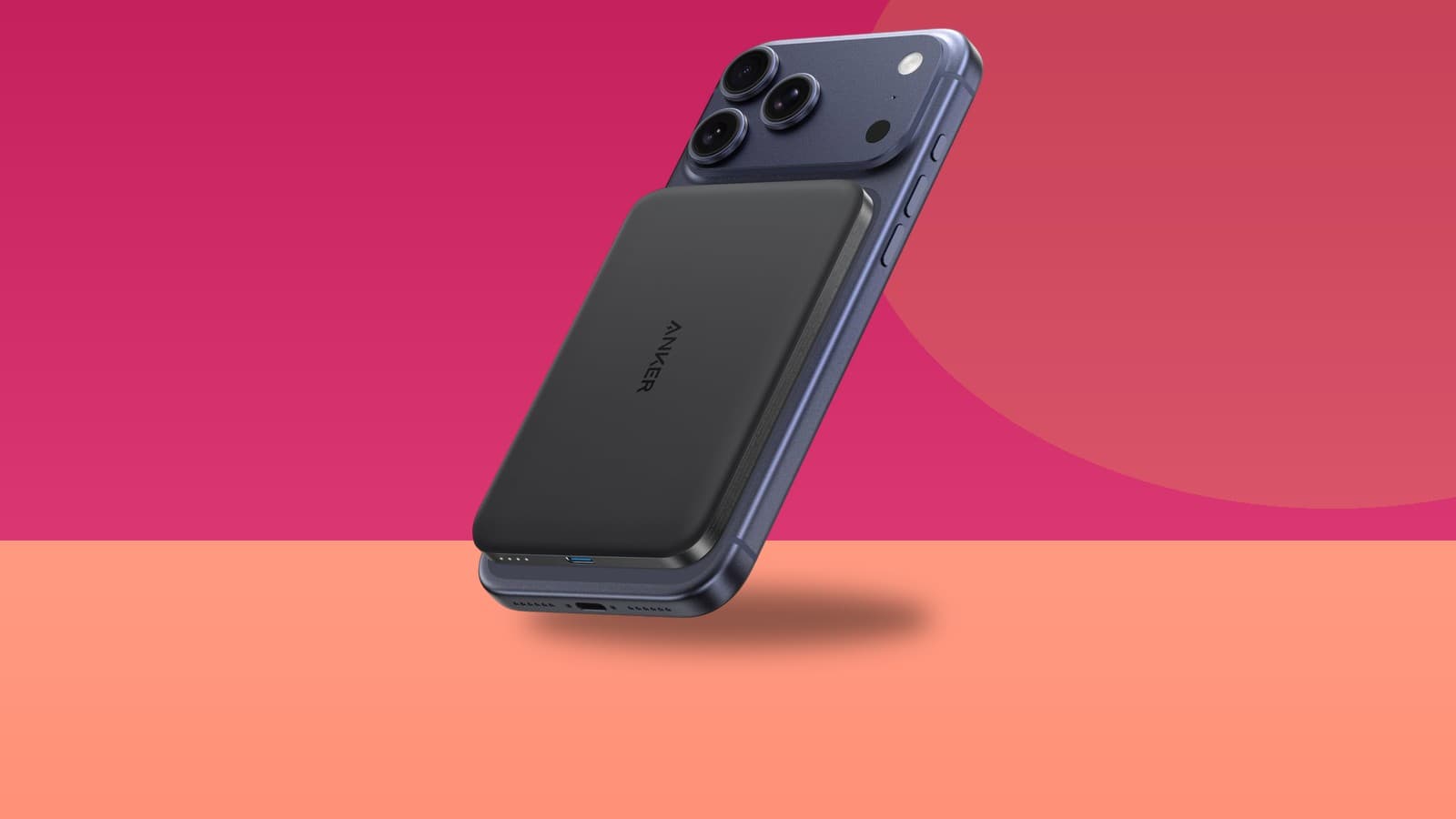
The Anker Nano MagSafe charger, in one line
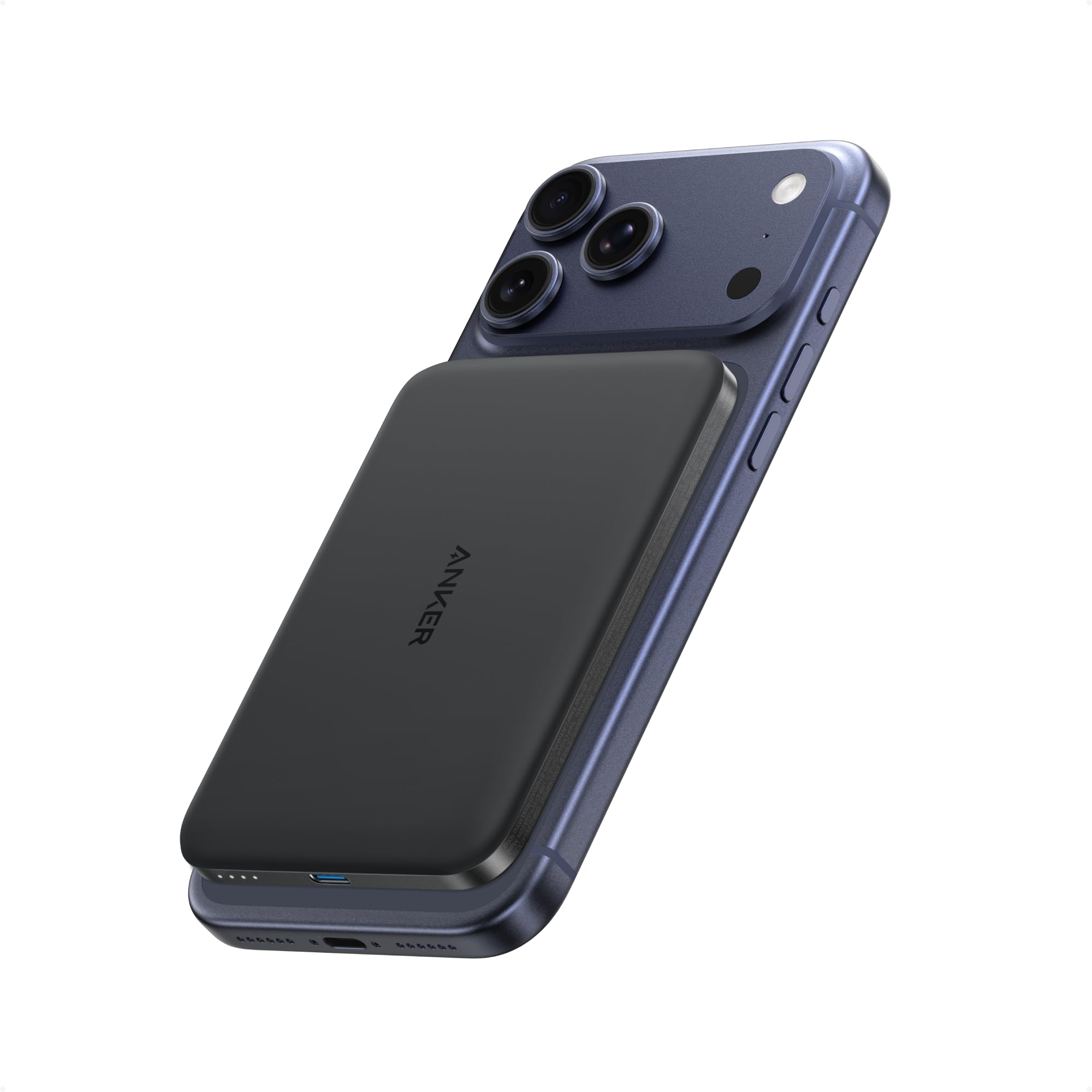
The Anker Nano MagSafe portable charger is what happens when you take a MagSafe battery and squeeze most of the bulk out of it. It is a 5,000mAh magnetic pack, Qi2 certified for 15W wireless charging, and at 0.34 inches thick it is roughly as slim as the phone it sticks to. If your single biggest complaint about MagSafe battery packs is that they turn a sleek iPhone into a brick, this is Anker's answer.
That slimness is the whole pitch, and it is also where the trade-offs live. A thinner pack has less room for battery and less thermal mass to shed heat, so the interesting question is not "is it thin" (it obviously is) but "what did Anker give up to get there, and does that matter for how you actually charge a phone." This review works through the published specs, what an independent lab-style test actually recorded, and the recurring complaints, so you can decide before you buy.
Where to Buy
The Anker Nano (model A1665) magnetically snaps to the back of a MagSafe iPhone and is about as thick as the phone itself.
How we evaluated this, honestly. This assessment cross-checks three independent layers of evidence against one another: Anker's official published specifications for the A1665, a measured hands-on review from Macworld, and the Wireless Power Consortium's documentation of what Qi2 certification actually guarantees. Where a number comes from a real-world test rather than a spec sheet, we say so and link to it. That cross-referencing is the point: the value here is rigorous synthesis of primary sources, so the verdict reflects how the charger performs across many users rather than a single sample.
Is the Anker Nano charger worth it?
The honest answer is "yes, if you are buying it for the right reason." This is a portability-first product, and judged on that single axis it is excellent. The whole device weighs 4.3 oz (122 g) and measures 4.02 by 2.78 by 0.34 inches, per Anker's product spec page. That is genuinely pocketable in a way most MagSafe packs are not, and it is the reason this model keeps showing up on "slimmest magnetic power bank" lists.
Where "worth it" gets complicated is capacity and price. A 5,000mAh cell is a top-up battery, not a day-saver, and at a $54.99 MSRP it is not cheap for the size. If you go in expecting "thin, light, gets my phone through a long afternoon," you will be happy. If you expect "charges my phone fully twice," you bought the wrong product, and that is true of every 5,000mAh pack, not just this one.
What you actually get from 5,000mAh
This is the spec people misread most often, so it is worth being precise. A 5,000mAh rating describes the internal cell, not what reaches your phone. Anker itself states the usable output is roughly 2,750 to 3,500mAh after conversion losses, a detail buried in its own spec sheet. Wireless transfer is lossier than wired, so over MagSafe you land near the bottom of that band.
In practice, that means a partial recharge. In Macworld's hands-on test, the Nano took an iPhone 16 Pro from 0% to 77% before the pack was depleted. For a pack this small that is a strong result, but it confirms the rule: one 5,000mAh magnetic battery is a top-up, not a second full charge. Plan around "enough to get home," not "enough to forget the wall charger exists."
Is the Anker Nano powerbank good? Charging speed and heat
On paper the speeds are exactly what you want from a current MagSafe pack: 15W max wireless and a wired USB-C port that Anker rates for fast top-ups, with the pack itself recharging in under two hours. Anker cites a "25% in 42 minutes" figure for an iPhone 16 Pro over the magnetic connection. That is respectable for wireless, though wireless charging is inherently slower and warmer than plugging in, which matters here more than usual.
The slimness has a thermal cost, and Anker engineered around it rather than ignoring it. The Nano uses graphene heat-spreading plus dual NTC temperature sensors to hold the cell under 104°F (40°C), per the manufacturer's specs. The catch is what that protection does in the heat. Macworld's reviewer, charging an iPhone 15 over 30 minutes in summer conditions, saw the gain swing between 22% and 32% as the protection circuit throttled power early to keep temperatures in check. So it is good and safe, but the speed is not perfectly steady. A warm day or a thick case will visibly slow it down.
The case-thickness rule nobody reads
One easy-to-miss spec quietly governs whether you get the full 15W. Magnetic alignment and wireless efficiency both fall off as the gap widens, so Anker specifies that your case should be no thicker than 2.5mm, and warns it will not work properly with bulky armored cases like an OtterBox Defender, again per the official spec page. If you run a heavy-duty case and find your magnetic pack feels weak or slips, the case is usually the culprit, not the battery.
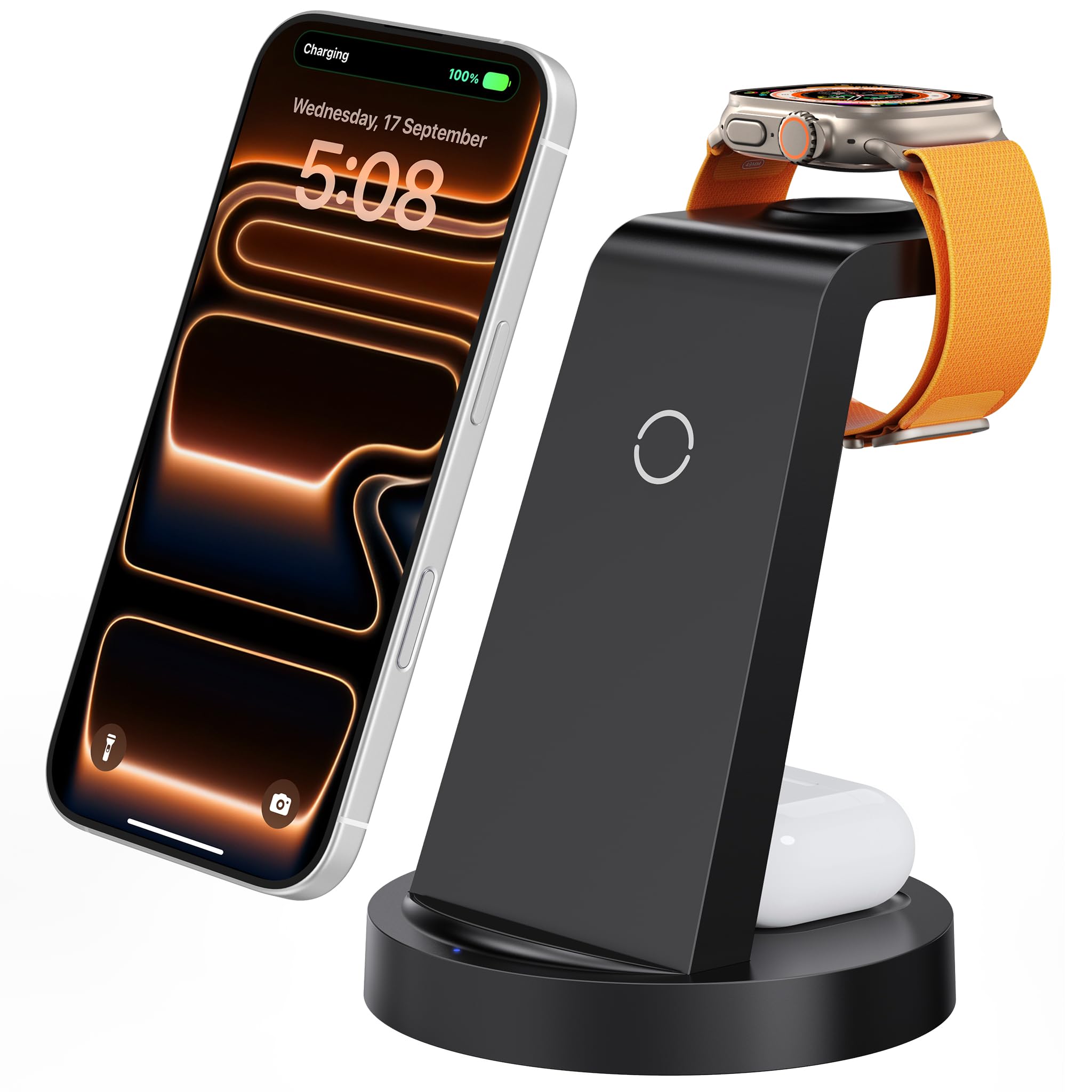
A desk-bound 3-in-1 stand is a different tool than a pocket battery; the Nano trades the stand for portability.
Is the Anker MagSafe charger worth it? The Qi2 question
"MagSafe-compatible" and "Qi2 certified" appear all over this product's listing, and they are not marketing fluff. The Wireless Power Consortium runs Qi2, and it states that only products passing its independent lab testing for safety and interoperability may carry the Qi2 logo. Qi2 borrows MagSafe's idea of a magnetic ring that snaps the charging coils into perfect alignment, which is what lets it sustain 15W instead of the wobbly 7.5W of older, alignment-free Qi pads.
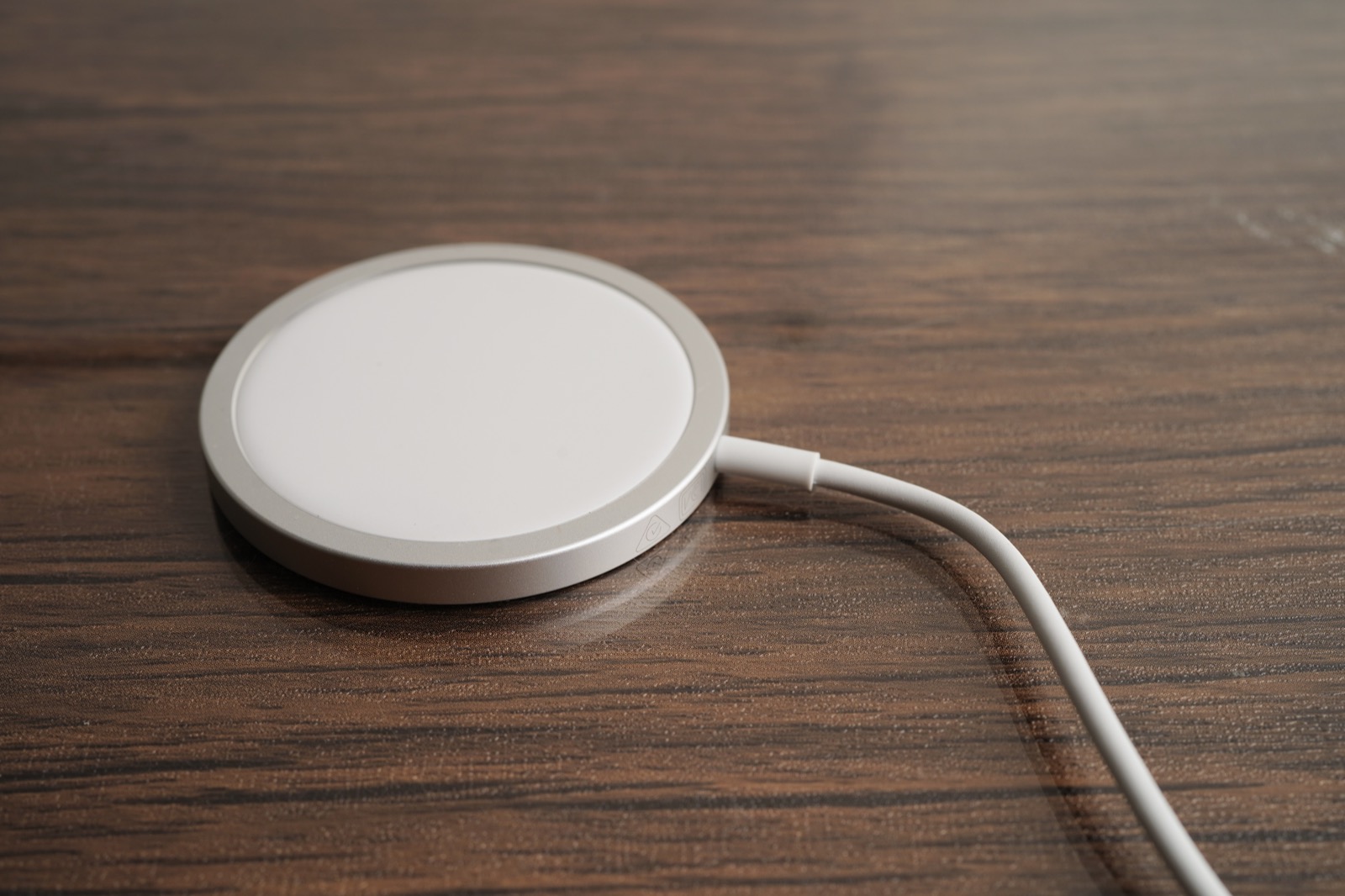
Qi2 borrows MagSafe's magnetic ring to lock the coils into alignment, which is what sustains a steady 15W.
For you, the practical upshot is twofold. First, the magnet means the Nano clicks onto a MagSafe iPhone in the right spot every time, so you are not chasing the sweet spot the way you do with a generic Qi pad. Second, the certification is a real safety signal on a product you press against a lithium battery in your pocket. If you want the deeper distinction between MagSafe and Qi2, we cover it in our explainer on whether MagSafe and Qi2 are the same thing. The short version: this charger is the clean example of "Qi2 gives you MagSafe-grade magnetic charging without needing an Apple-branded accessory."
What are the common problems with Anker power banks?
Anker has one of the better reliability reputations in the category, but no power bank is complaint-free, and a few recurring themes are worth knowing before you commit. Based on the published review record for this model and the category generally, here is what tends to come up.
- No kickstand or stand. Macworld flags this directly: unlike some thicker rivals, the Nano has no foldout stand, so you cannot prop the phone up to watch something while it charges. That is a casualty of the slim design; there is simply no room for a hinge.
- It runs warm. The same thinness that makes it pocketable gives it little thermal mass, so it heats up faster than chunkier packs and leans on its protection circuit to throttle, which is the source of the fluctuating speed noted above.
- Capacity anxiety. The single most common disappointment with any 5,000mAh pack is expecting a full recharge and getting a top-up. That is physics, not a defect, but it is the complaint that drives the most one-star surprise.
- Output ceiling for the wired port. Anker rates the USB-C wired output at 5V/2.4A on the spec sheet, so this is not the pack to fast-charge a laptop or even hit peak wired phone speeds. It is wireless-first by design.
None of these are reliability red flags so much as the predictable trade-offs of an ultra-slim pack. If portability is your priority, you accept them knowingly. If it is not, a thicker model with a stand and more cells will frustrate you less.
Who should buy it, and who should skip it
Buy it if you are an iPhone user who wants an emergency top-up that disappears into a pocket or small bag, who charges mostly wirelessly, and who values "I won't notice it's there" over raw capacity. It is close to ideal for travel days, concerts, and commutes.
Skip it if you need to fully recharge your phone once or twice away from an outlet, if you want a battery that doubles as a desk stand, or if you live in a thick rugged case you are not willing to swap. In those cases a higher-capacity pack serves you better, and if you are weighing several options it is worth reading our roundup of the best MagSafe wireless phone chargers for 2026 to compare this slim pick against stands and higher-capacity packs side by side.
The verdict
The Anker Nano MagSafe portable charger nails exactly one thing and nails it convincingly: it is a genuinely slim, light, Qi2-certified 15W magnetic top-up battery that you will actually carry because it never feels like a burden. The independent test backs the spec sheet, the safety certification is real, and Anker was honest enough to publish the usable-capacity and case-thickness caveats that most buyers gloss over.
Just buy it for what it is. This is a "get me home" battery, not an off-grid power supply, and it has no stand and a modest wired output to show for its diet. Match those trade-offs to how you charge, and it is one of the easiest small MagSafe packs to recommend in 2026.
Where to Buy
Specifications
- Model
- Anker A1665 (Nano Power Bank, 5K MagGo Slim)
- Battery capacity
- 5,000mAh (~19.35Wh); ~2,750-3,500mAh usable
- Wireless output
- Qi2, 5W / 7.5W / 15W max
- Wired output (USB-C)
- 5V/2.4A max
- Input (recharge)
- USB-C 5V/3A or 9V/2.22A; full in under 2 hours
- Dimensions
- 4.02 x 2.78 x 0.34 in (102 x 70.6 x 8.6 mm)
- Weight
- 4.3 oz (122 g)
- Compatibility
- MagSafe iPhone 17/16/15/14/13/12; cases up to 2.5 mm thick
Related Posts