
The short answer: yes, with one big caveat
Cordless vacuums are good for hard floors. In fact, for a lot of homes, a cordless stick is the easiest tool to keep bare floors looking clean, because the dust, crumbs, and pet hair that settle on tile, laminate, and hardwood sit right on top of the surface where they're simple to grab. You don't need brute-force suction to lift debris off a slick floor the way you do to drag it out of deep carpet pile. You need the right cleaning head, controlled airflow, and the willingness to do quick, frequent passes. A cordless does all three well.
The caveat is the question hiding behind the question. People asking "are cordless vacuums good for hard floors" almost always have a second floor type in mind too. Mixed homes (hardwood downstairs, carpet in the bedrooms) and pet households change the math, and that's where cordless models start to show their limits against a corded canister or upright. So the honest version of the answer is: cordless vacuums are genuinely good on bare floors, very good for hardwood-only homes, and a reasonable-but-not-best compromise once carpet and heavy pet hair enter the picture.
This piece walks through why that's true, what to look for so a cordless actually performs (and doesn't scratch your finish), and where the trade-offs land. We'll also point you toward our floor vacuum buying guide for the full lineup, and to our detailed look at the cordless model we cover in this category, the Shark IZ362H cordless vacuum.
How we put this together
A quick note on method, because it matters for how much you should trust what follows. We did not run these vacuums through a lab. What we did instead was synthesize the testing and guidance published by sources that do run rigorous, repeatable lab protocols, then cross-reference that against manufacturers' official specifications. The cleaning-performance claims here lean on lab-tested reporting from Consumer Reports, and spec figures are anchored to manufacturer documentation such as Shark's official IZ362H support page. Where we draw a conclusion, it's a synthesis of those sources, not a personal floor test. We'll flag the few places where the evidence is mixed.
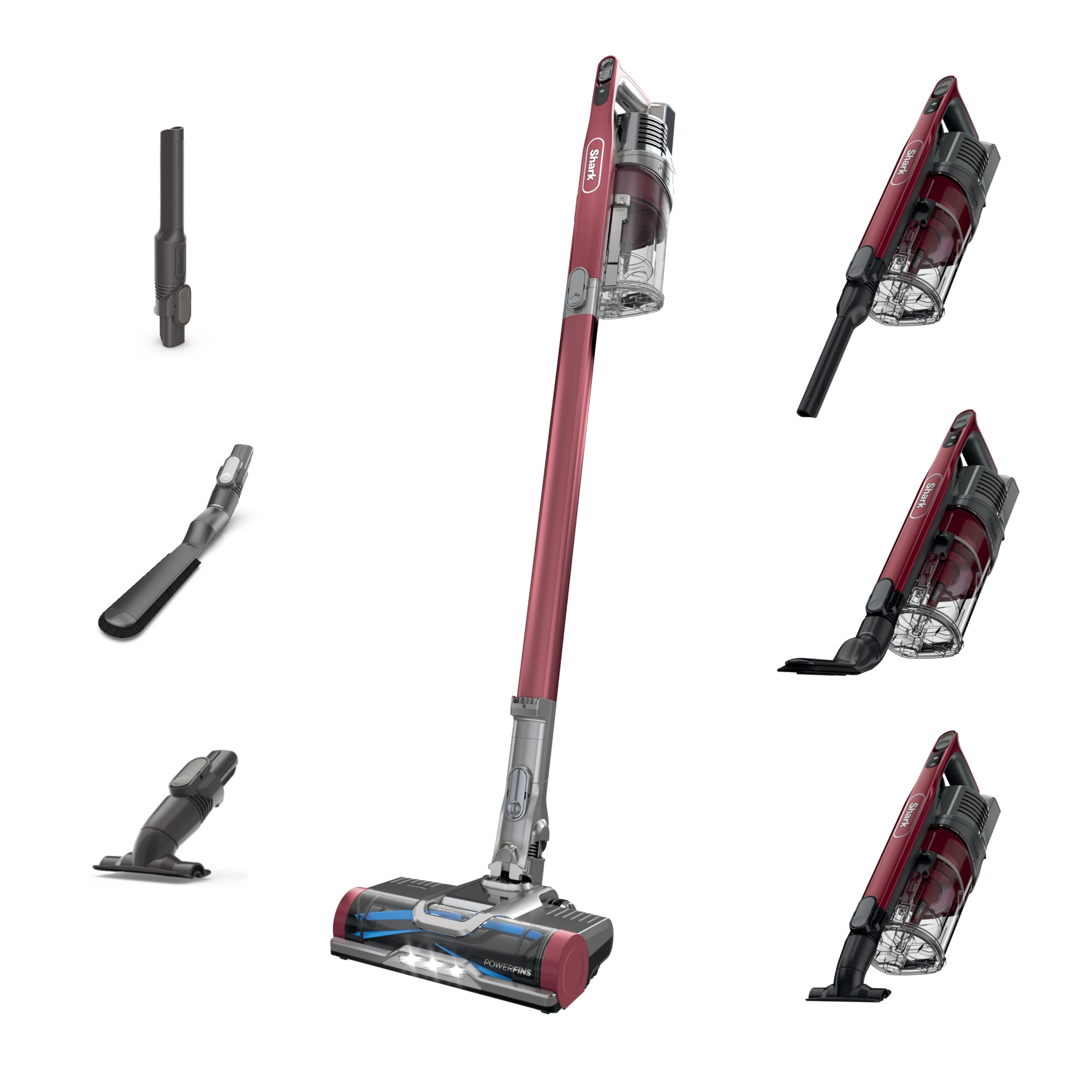
A lightweight cordless stick like the Shark IZ362H is built for quick, frequent cleanups on bare floors.
Why hard floors are actually easy mode for a cordless
Here's the physics in plain terms. On carpet, debris works its way down into the pile and clings to the fibers. To get it out, a vacuum has to generate strong sealed suction and usually agitate the carpet with a spinning brush roll to shake the dirt loose. That's demanding work, and it's where cheap or underpowered vacuums fall apart.
Hard floors don't ask for any of that. The dirt is sitting on a flat, non-absorbent surface. Lifting it is mostly about airflow at the nozzle and a cleaning head that can sweep fine dust toward the suction inlet without flinging it sideways. Consumer Reports' testing experts make this point directly: if you only need to clean hardwood floors, "you might be able to get away with just using a stick vacuum," and they reserve the recommendation for a more powerful upright or canister for homes with bigger mixed-cleaning jobs (Consumer Reports).
That single sentence is the crux of the whole topic. Cordless stick vacuums are not weak tools that "make do" on hard floors. For the specific job of bare-floor cleaning, they're well matched to the task, and their lightness and grab-and-go convenience mean you actually use them more often, which is the real secret to clean floors.
Suction vs. airflow: the spec that's marketed wrong
Vacuum marketing loves to shout about suction, usually quoted in pascals or air watts. On hard floors, that number is less important than it looks. Because debris on a bare surface releases easily, what carries crumbs and dust into the bin is airflow (the volume of air moving through the nozzle), paired with a head design that channels that air efficiently.
Several floor-care sources make the same observation: hard floors simply don't require as much suction as carpet because the debris sits on the surface rather than buried in fibers, so airflow, cleaner-head design, and debris handling matter more than a headline suction figure (Vacuum and Mop). The practical upshot: don't dismiss a cordless because its suction spec trails a big corded upright. On tile and hardwood, a well-designed cordless head can match the corded machine where it counts, and it does it with a fraction of the power draw, which is exactly why hard floors are so kind to battery life (more on that below).
This is also why the "do I need maximum power mode?" instinct is usually wrong on bare floors. Many cordless owners burn through their battery running boost mode across a kitchen that a medium or eco setting would have cleaned just as well, while controlled suction paired with the right roller cleans cleanly without scattering debris.
Soft roller vs. brush roll: the detail that decides everything
If there's one feature that separates a cordless that's great on hard floors from one that's merely okay, it's the cleaning head. There are two broad approaches, and the difference is real.
Soft roller heads
A soft-roller head uses a plush, fabric- or felt-covered roller (sometimes a soft rubber roller) that's designed specifically for hard surfaces. It hugs the floor, traps fine dust against the soft material, and rolls larger debris cleanly into the suction path instead of batting it forward. Floor-care testing consistently finds that soft rollers outperform traditional bristle brush rolls on hard surfaces, picking up fine dust more cleanly while being gentler on the finish, which is why so many cordless models built for bare floors ship with one (Best Cordless Vacuum Guide).
The advantage shows up most with the fine stuff. Flour, sugar, coffee grounds, drywall dust: a stiff bristle brush spinning at high speed tends to launch those particles ahead of the nozzle in a little dust storm, so you chase the same crumb across the kitchen. A soft roller pins it and carries it in.
Bristle brush rolls
Bristle brush rolls are the carpet specialists. The stiff bristles dig into pile and agitate trapped dirt loose, which is exactly what carpet needs and exactly what hard floors don't. On bare floors a spinning bristle brush has two downsides: it scatters fine debris, and the harder bristles are the part of the head most likely to drag grit across a wood finish. That's why nearly every guide on protecting hardwood recommends either a soft roller or the ability to switch the brush roll off for bare floors (Consumer Reports).
The hybrid approach (and why it matters for mixed homes)
Some cordless vacuums split the difference with a dual or "DuoClean"-style head that combines a soft front roller for fine dust on hard floors with a bristled rear roller for carpet agitation, so a single head handles both surfaces without a swap. Shark's PowerFins/DuoClean systems are built around this idea, and the brand's own documentation describes a self-cleaning brush roll designed to engage directly with floors while resisting hair wrap (Shark IZ362H support page). If you have a genuinely mixed home and want one cordless to do it all, a hybrid head is the feature to prioritize. We dig into how that plays out in practice in the Shark IZ362H review.
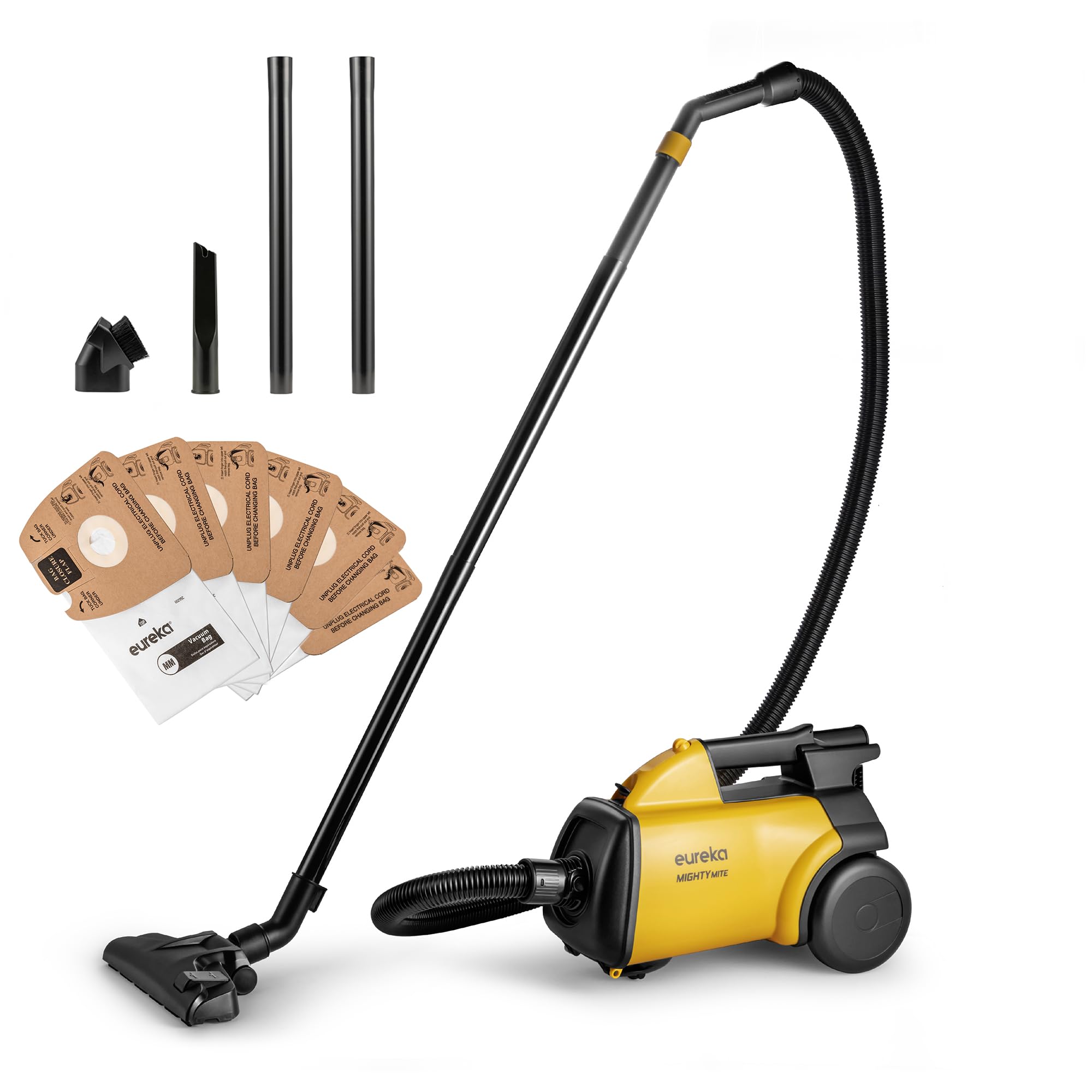
Corded canisters like the Eureka 3670M still set the bar for bare-floor pickup, but a good cordless gets close with far less hassle.
Do cordless vacuums scratch hardwood floors?
This is the worry that stops a lot of people from buying, and it deserves a straight answer: a cordless vacuum can scratch hardwood, but with the right head and basic care, the risk is low and entirely manageable.
The scratch almost never comes from the vacuum itself. It comes from grit. A hard grain of sand or a sharp crumb caught under a stiff bristle or a hard plastic edge of the cleaning head gets dragged across the finish like a tiny abrasive. The contact point matters more than the machine. Floor-care specialists list the same protective measures over and over (Vacuum and Mop):
- Use a soft roller, not stiff bristles, on bare floors. Soft rollers trap and lift; stiff bristles drag.
- Keep the head clean. Debris and hardened gunk on the nozzle is what gets dragged across the floor. A quick wipe and a clear roller prevent most scratching.
- Check for worn, hardened bristles. Old bristles stiffen and lose their tips; if the roller looks rough, replace it.
- Look for rubber wheels and a brush-on/off control. Rubber wheels roll without marking, and the ability to stop the brush roll keeps it from spinning grit on delicate finishes.
Notice that none of these require a corded vacuum. A cordless with a soft roller, clean head, and rubber wheels is no more a threat to hardwood than any other vacuum, and arguably less than a heavy upright with an always-on bristle brush. The bigger enemy of a wood finish isn't a vacuum at all: it's a steam mop, whose vapor can push into seams and cause the boards to cup, which Consumer Reports warns against directly (Consumer Reports).
Brush roll on or off for hard floors?
If your cordless has a switchable brush roll rather than a dedicated soft roller, the rule of thumb is simple: turn the brush roll off (or down) for bare floors. With the brush stopped, the head glides on suction and wheels alone, debris stops scattering, and there's nothing spinning grit into the finish. Turn it back on for rugs and carpet, where the agitation is doing useful work. Many models make this a one-button toggle or detect the floor type automatically.
Hard floors and carpet: the mixed-home question
"Are cordless vacuums good for hard floors and carpet?" is really the question most buyers are circling. The honest answer changes the recommendation.
For bare floors alone, a cordless is excellent and may be all you need. For mostly-hard-floor homes with a few low-pile rugs, a good cordless with a hybrid or switchable head handles everything comfortably. The trouble starts with lots of medium- or high-pile carpet, especially in a pet household. Carpet demands sustained sealed suction and aggressive agitation, and that's where a cordless faces three structural disadvantages:
- Power ceiling. Consumer Reports is blunt that you shouldn't expect a stick, handheld, or robot vacuum to have the same cleaning power as a full-size canister or upright (Consumer Reports). On deep carpet, that gap is real.
- Battery drain under load. Carpet and upholstery pull far more power than bare floors, which draws down the battery faster, so your effective runtime on carpet is shorter than the headline number suggests (Consumer Reports battery testing).
- Dust dispersal on bare floors. Even on hard floors, canister vacuums tend to do a cleaner job than uprights or sticks specifically because they're less likely to disperse dust and debris while picking it up, per Consumer Reports' bare-floor findings.
So if your home is 70% carpet, a corded upright or canister is still the smarter primary machine, and a cordless makes a great second vacuum for daily bare-floor touch-ups. If your home is mostly hard floor with some carpet, flip that: the cordless is the daily driver and you may not need anything else. Our floor vacuum buying guide lays out which body style fits which home, including the canister and upright options that outmuscle a cordless on carpet.
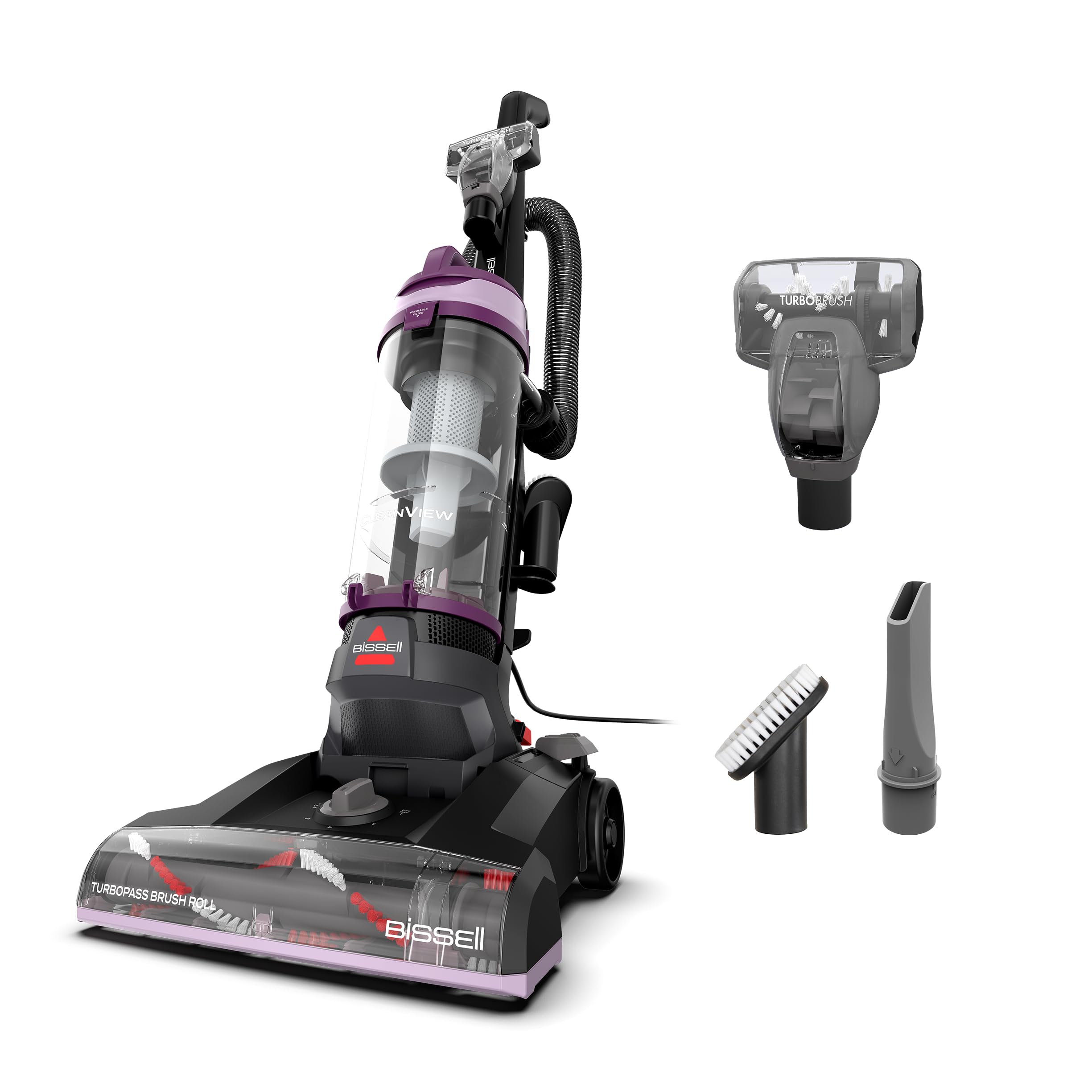
For carpet-heavy, pet-filled homes, a corded upright still out-muscles a cordless stick, which makes a great daily bare-floor partner.
Battery, runtime, and the "fade" you should plan for
Battery is the genuine Achilles' heel of every cordless, and pretending otherwise would be dishonest. Two things are worth understanding before you buy.
Runtime is a max, not a guarantee. Manufacturers quote runtime on the lowest power setting on bare floors, which is the easiest possible scenario. Shark, for example, rates the IZ362H at up to 40 minutes (Shark IZ362H support page). Run boost mode or work over carpet and that number drops sharply. The good news for this topic is that hard floors are the kindest workload there is, so a cordless will get closer to its rated runtime on bare floors than almost anywhere else.
Capacity fades over time. Lithium-ion batteries lose peak voltage as they age, which reduces motor speed under load and trims airflow; reporting on cordless performance notes that a battery worn to around 70% of original capacity can lose a meaningful chunk of its max-mode airflow versus new (Best Cordless Vacuum Guide). For a hard-floor-focused buyer this is less alarming than it sounds, because bare-floor cleaning doesn't lean on max airflow, but it's the reason a removable, replaceable battery is a feature worth paying for. When the cell finally tires out in a few years, you swap the battery instead of the whole vacuum.
If you have a large single-level home of mostly hard floor, look for either a longer-rated runtime or a swappable battery you can keep a spare of. For a small apartment or condo, almost any modern cordless has more than enough runtime to do the whole place on one charge.
What to look for in a cordless for hard floors
Pulling the research together, here's the short checklist that actually predicts good bare-floor performance, roughly in order of importance.
Soft roller or hybrid head
The single biggest factor. A soft roller (or a hybrid soft-plus-bristle head with a brush-off option) is what makes a cordless clean fine dust cleanly and treat your finish gently. If a model only offers a stiff bristle brush with no off switch, it's a poorer match for bare floors.
Brush-roll control and rubber wheels
A way to stop or detect-and-stop the brush on hard floors, plus rubber (not hard plastic) wheels, are your scratch insurance.
Strong airflow over headline suction
On hard floors, airflow and head design beat raw suction numbers. Don't overpay for a power figure you won't use on bare floors.
Sealed filtration (HEPA) if you have allergies or pets
A complete-seal HEPA system keeps fine dust and dander from leaking back into the room as you clean, which matters more on hard floors than people expect because fine dust resettles fast on a slick surface. Shark's anti-allergen complete seal with HEPA on the IZ362H is the kind of system to look for (Shark IZ362H support page).
Light weight and easy maneuvering
The lighter the vacuum, the more often you'll actually grab it, and frequency is what keeps hard floors clean. Lightweight, low-profile cordless sticks slide under furniture and convert to a handheld for stairs and edges, which a heavy upright can't match.
Anti-hair-wrap roller for pet homes
If you have pets, a self-cleaning or anti-hair-wrap roller saves you from cutting tangled hair off the brush every week. It's one of the features that makes a cordless genuinely viable as a pet-hair tool on hard floors.
Picking by your situation
The right cordless depends less on the spec sheet and more on what your floors and household look like. A few common cases:
Best lightweight cordless for hardwood-only homes
If your home is all hardwood or tile, prioritize weight, a soft or hybrid roller, and good airflow over everything else. You don't need the most powerful motor on the market; you need something light enough that you reach for it daily. This is the scenario where a cordless most fully replaces a corded vacuum rather than supplementing it.
Best cordless for hardwood floors and pet hair
Pet households should weight two features heavily: an anti-hair-wrap roller (so you're not constantly de-tangling) and sealed HEPA filtration (so dander doesn't recirculate). The hybrid-head cordless models built for pets, like the Shark IZ362H, are aimed squarely at this buyer, combining a self-cleaning roller with a complete-seal HEPA system.
Best budget cordless for hardwood floors
On a tight budget, the feature to protect is the cleaning head. It's better to buy a less-powerful cordless that still has a soft or switchable roller than a higher-suction model with an always-on bristle brush you can't turn off, because on bare floors the head matters more than the motor. Watch the battery, too: a budget model with a non-removable battery is a model with a built-in expiration date, so factor that into the price.
When to skip cordless entirely
If your home is mostly thick carpet, you have heavy pet shedding across large carpeted areas, or you want one machine to deep-clean everything, a corded canister or upright is still the better primary vacuum. A canister in particular leads on bare-floor cleanliness because it disperses less dust during pickup (Consumer Reports). Pair it with a cordless for quick daily touch-ups and you've covered both bases.
The verdict
Are cordless vacuums good for hard floors? Yes, and for many homes they're the best practical choice, not a compromise. Bare floors are the easiest job a vacuum faces, and a cordless meets it with the right tools: a soft or hybrid roller that lifts fine dust cleanly, controlled airflow that doesn't scatter debris, and the kind of grab-and-go lightness that gets you cleaning more often. The scratch worry is real but small, and it's solved by a soft roller, rubber wheels, and a clean head rather than by avoiding cordless altogether.
The limits are honest and predictable. Cordless vacuums trail corded uprights and canisters on deep carpet, their batteries drain faster under load and fade over years, and even the best of them won't match a full-size machine's raw power. If your home is carpet-heavy or pet-heavy across large rugs, keep a corded vacuum as the workhorse and let a cordless handle the daily bare-floor sweep.
For a hardwood-and-tile home, though, a good cordless is hard to beat. Match the model to your floors using the checklist above, lean toward a removable battery and a hybrid head if you have any carpet or pets, and you'll have floors that look clean every day instead of every weekend. When you're ready to compare specific machines, start with our best floor vacuum cleaners guide, and if a cordless is where you're leaning, the Shark IZ362H breakdown shows how these features come together in a real model.
Related Posts