How to Choose a Wireless Bluetooth Speaker: A 2026 Buyer's Guide
 Abdulwahab Suleiman·June 16, 2026
Start with the room, not the spec sheet
The single most common mistake when shopping for a wireless speaker is buying the loudest, most feature-packed model and hoping it fits everywhere. It rarely does. A speaker built to survive a poolside afternoon is the wrong shape for a bookshelf, and a 14-pound powerhouse meant to fill a living room is absurd clipped to a backpack strap. So before you compare a single number, answer one question honestly: where will this speaker spend most of its life?
If the honest answer is "on my desk while I work," you want something small, with clean midrange and a wired option, not a thumping party brick. If it's "on the patio for weekend cookouts," water resistance and battery life outrank everything. If it's "anchoring the music in my main room," you're really shopping for a home speaker, and you should weigh whether Bluetooth is even the connection you want. The same forty-dollar checklist of features means completely different things depending on that one decision.
This guide walks through how to choose a wireless Bluetooth speaker the way an audio reviewer would scope it out: by sound, connection, durability, battery, and the small ergonomics that decide whether you actually enjoy using it. Our recommendations are a research-based synthesis that cross-checks three independent evidence layers against each other: manufacturer specifications, the findings of professional reviewers, and recurring themes in verified owner feedback, with the methodology spelled out at the end so you know exactly how to weigh what follows. For a fuller shortlist of specific models across budgets, our companion roundup of the best wireless Bluetooth speakers for 2026 ranks editor picks by use case.
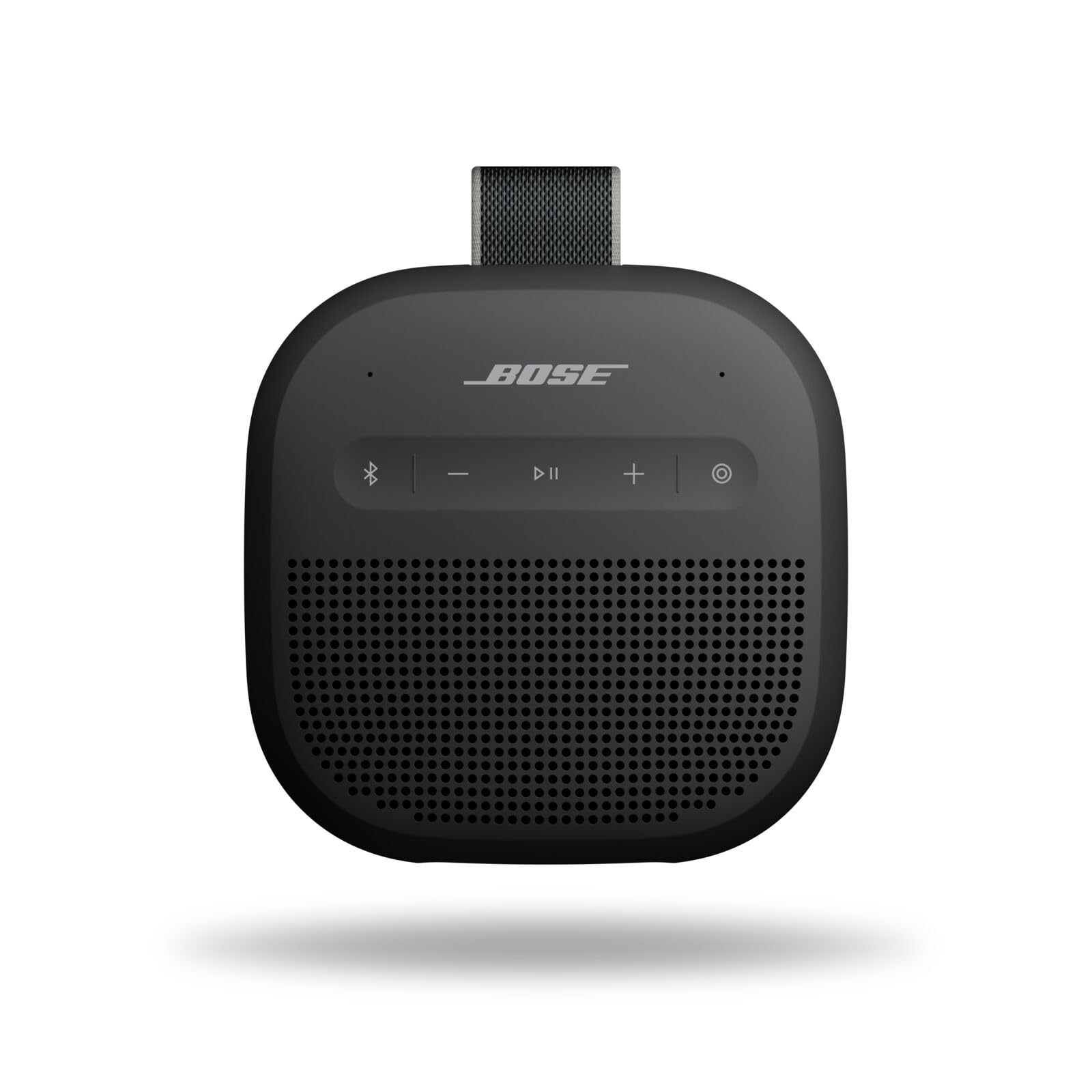
Match the speaker to where it will actually live before you compare a single spec.
How to judge sound quality before you ever hear it
You cannot audition most speakers before buying online, so you have to read sound quality off the design. It is imperfect, but a few signals are reliable.
Drivers and the size-versus-bass reality
A driver is the cone (or dome) that physically moves air to make sound. As a rule, bigger drivers and more of them mean more output and deeper, cleaner bass, which is why a large home speaker will always outclass a pocket model on low end no matter what the marketing claims. Crutchfield's buying guide makes the point plainly: larger speakers with larger drivers deliver more bass and volume for parties or large rooms, while smaller speakers are best for clear, close-range personal listening (Crutchfield). Multi-driver designs that split the work between dedicated woofers and tweeters also tend to sound clearer than a single full-range driver trying to do everything.
To make this concrete, look at what a serious home speaker packs in. The Sonos Five, a premium reference point we cover in depth in our Sonos Five review, uses six Class-D amplifiers driving three mid-woofers and three tweeters, including one center tweeter and two angled side tweeters, all in a 14-pound cabinet (Sonos). That is the kind of driver array that produces room-filling, low-distortion sound. No palm-sized travel speaker is going to approximate it, and that is fine, because they are solving different problems.
Watts, "loudness," and why the number lies a little
Wattage tells you roughly how much power the amplifier can deliver, but it is a notoriously poor predictor of perceived loudness or quality on its own. Speaker sensitivity, driver size, cabinet design, and tuning all matter as much or more. Treat the wattage figure as a loose ceiling, not a quality score. A well-tuned 20-watt speaker can easily sound better than a sloppy 40-watt one.
Passive radiators and the small-speaker bass trick
If you want bass from something portable, look for a passive radiator. It is an undriven diaphragm that the active driver's air pressure moves, extending low-frequency output without a second amplifier. It is one of the more honest ways a compact speaker squeezes out warmth, and it is worth favoring over vague "deep bass" marketing copy. For genuinely bass-forward listening, though, set expectations: physics still favors the bigger box.
Reading reviews for measurements, not vibes
Because you cannot listen first, lean on sources that measure. RTINGS publishes frequency-response graphs and bass/treble accuracy scores for the speakers it reviews, and reading those curves tells you more than any adjective in a product description (RTINGS). A flat, even response generally means the speaker reproduces music as recorded; a big bass hump can be fun for some genres and fatiguing for others. What you should not do is treat social-media impressions as data. Aggregated opinions from anonymous threads are not measurements, and they are not a substitute for lab data or careful editorial testing.
Codecs: the part everyone overthinks
Once you start reading spec sheets you will trip over a wall of acronyms, SBC, AAC, aptX, LDAC, and panicked forum advice about which one you "need." Here is the calm version.
What a codec actually does
A Bluetooth codec is the compression scheme that squeezes audio small enough to fit across the wireless link, then rebuilds it on the speaker. Bluetooth's bandwidth is limited, so some compression always happens. Better codecs compress more cleverly, preserving more detail at higher bitrates (SoundGuys).
The four you'll see, ranked by what they offer
- SBC is the universal baseline, built into every Bluetooth audio device, with a maximum bitrate around 328 kbps. It is fine, not exciting.
- AAC is more efficient than SBC and is the sweet spot for Apple devices, which implement it well. If you live in the iPhone and Mac world, AAC is effectively your high-quality path.
- aptX, from Qualcomm, runs around 352 kbps and improves on SBC on most Android phones; aptX HD pushes to 24-bit/48kHz at up to 576 kbps.
- LDAC, from Sony, transmits up to roughly 990 kbps and supports 24-bit/96kHz, the highest-fidelity option in common use, though it drops its bitrate when the connection weakens to stay stable (What Hi-Fi?).
The catch that makes most of this moot
A codec only works if both your phone and the speaker support it. If either side lacks it, the connection silently falls back to SBC. So the practical advice is simple: match the codec to your phone. iPhone owners should prioritize AAC support; Android owners who care about fidelity should look for aptX or LDAC. And keep perspective, because as multiple guides note, a well-designed speaker on a stable connection usually matters more to what you actually hear than chasing the highest codec on the box. Do not pay a large premium for LDAC if your phone cannot send it.
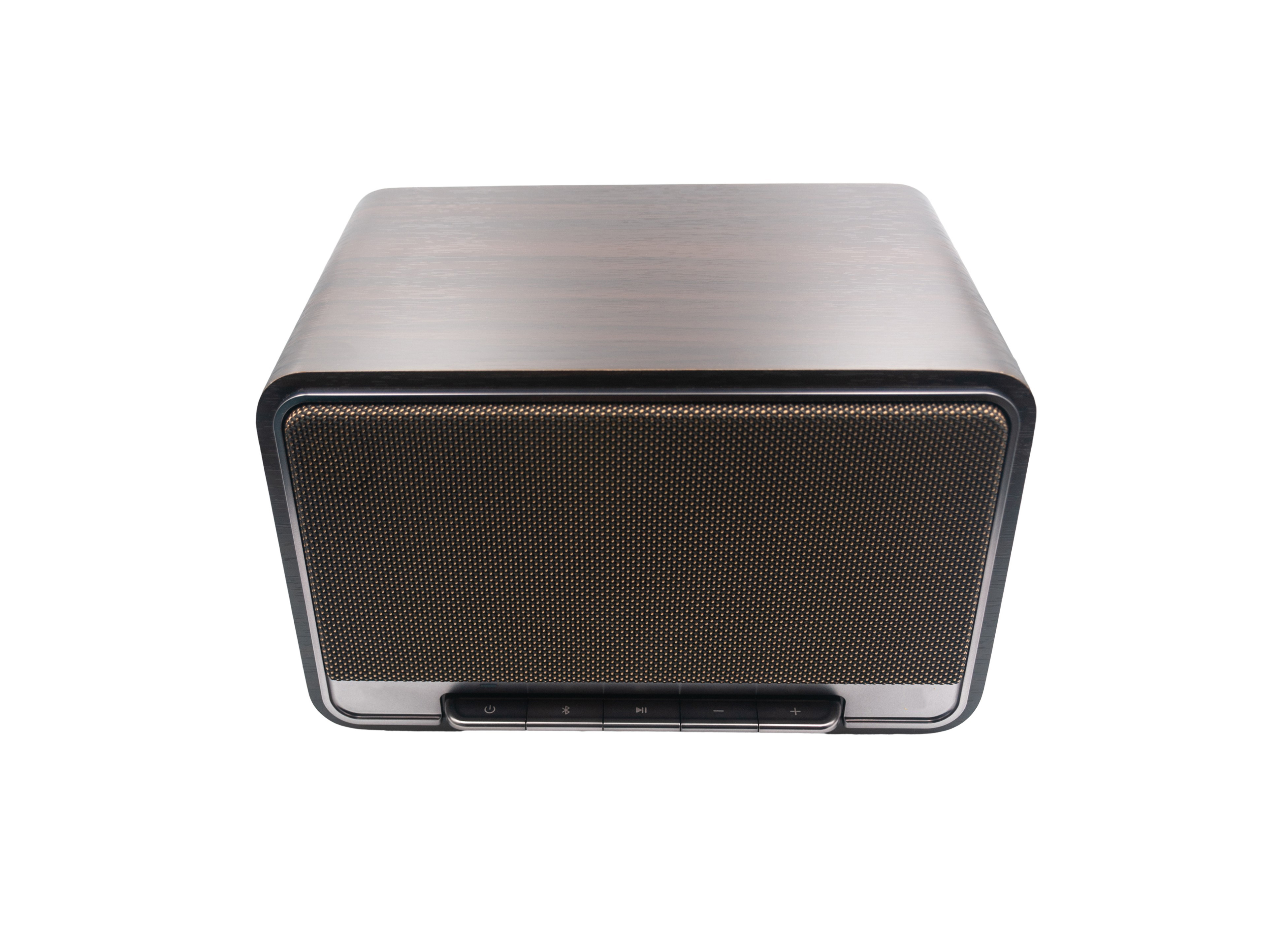
A codec only helps if your phone and the speaker both support it; otherwise the link falls back to basic SBC.
Bluetooth, Wi-Fi, or both: the connection question
"Wireless speaker" and "Bluetooth speaker" get used interchangeably, but they are not the same thing, and the difference can change your buying decision.
Bluetooth's strengths and limits
Bluetooth pairs directly from your phone, works anywhere without a network, and is universal. The tradeoffs are range (typically tens of feet, degrading through walls), the codec ceiling described above, and the fact that audio routes through your phone, so a call or notification can interrupt playback. Bluetooth 5.0 and later improved range and throughput substantially over the older 4.x versions, so newer is meaningfully better here (Crutchfield).
When a Wi-Fi speaker is the smarter buy
For a speaker that lives in one room, a Wi-Fi-based system can be the better choice. It streams over your home network rather than your phone, which means higher-bandwidth audio, multi-room sync, and music that keeps playing when you leave with your phone. The Sonos Five is a clean example of this philosophy: it connects over Wi-Fi and Apple AirPlay 2 and includes a 3.5mm line-in, but it deliberately does not include Bluetooth at all (Sonos). That surprises shoppers who assume every modern speaker has Bluetooth, and it is exactly why you should read the connectivity line carefully. If portability and casual pairing matter, that omission is a dealbreaker; if you want a fixed, high-fidelity home speaker, it is a feature, not a flaw.
Don't skip the humble aux jack
A 3.5mm line-in is easy to overlook and genuinely useful. It lets you connect a turntable, a TV, or a phone with no Bluetooth drama, and it bypasses codec compression entirely for a clean wired signal. If you have legacy gear or simply want a fallback, prioritize a model that keeps the analog input.
Durability and the IP rating you can trust
If your speaker will ever see a kitchen, a bathroom, a patio, or a beach, water and dust resistance stop being optional. This is where the IP rating comes in, and it is one of the few specs that is rigorously standardized.
How to read an IP rating
IP ratings are defined by the International Electrotechnical Commission under standard IEC 60529. The first digit (0 to 6) rates protection against solids like dust; the second digit (0 to 8) rates protection against water. An "X" simply means that category was not tested, so IPX7 tells you about water but says nothing certified about dust (Wikipedia, IP code).
The thresholds that matter for speakers
- IPX4 withstands splashes from any direction, which covers rain and poolside splashing.
- IPX7 means the speaker survives immersion in up to 1 meter of water for 30 minutes.
- IP67 adds full dust protection (the 6) to that same immersion rating (the 7), the gold standard for outdoor and beach use (Wikipedia, IP code).
Match the rating to the risk. For a desk or shelf, you barely need a rating at all. For general outdoor use, IPX4 to IPX6 is usually enough. For the pool, beach, or a boat, IP67 or its equivalent is worth paying for. The Bose SoundLink Micro, a tough, affordable portable we use as a small-speaker reference, carries an IP67 rating and is rated for immersion up to 1 meter for 30 minutes, plus a tear-resistant strap so you can clip it to a bag or bike (Bose). That is the right durability profile for a speaker meant to leave the house.
One rating quirk worth knowing
Water ratings are not strictly cumulative above IPX6. A device certified IPX7 (immersion) is not automatically certified for IPX5 or IPX6 (pressurized jets), because those are different tests. In practice it rarely matters for a speaker you are not blasting with a hose, but it explains why some rugged speakers list two water digits.
Battery life and charging, read honestly
Battery numbers are marketing-optimized, so read them with a grain of salt and a sense of how you listen.
What the quoted hours really mean
Most quality portable Bluetooth speakers advertise somewhere around 10 to 12 hours, with larger party speakers reaching 15 to 20 or more (SoundGuys buying guide). Those figures are almost always measured at moderate volume. Crank a bass-heavy speaker to fill a backyard and real-world runtime can fall well short, so if you host long gatherings, buy more headroom than you think you need. A useful sanity check: the Bose SoundLink Micro 2nd Gen is rated for up to 12 hours, double the original model's 6, which shows how much a generation of efficiency gains can matter (Bose).
Charging details that quietly matter
Prefer USB-C charging; it is the modern standard and means one cable for most of your gear. Some larger speakers add a USB output so you can top up a phone in a pinch, which is genuinely handy outdoors. And for a stationary home speaker, battery life is irrelevant. A wall-powered model like the Sonos Five has no battery to manage at all, which is one less thing to babysit. This is another reason the room-first question matters: it tells you whether battery life belongs near the top of your list or near the bottom.
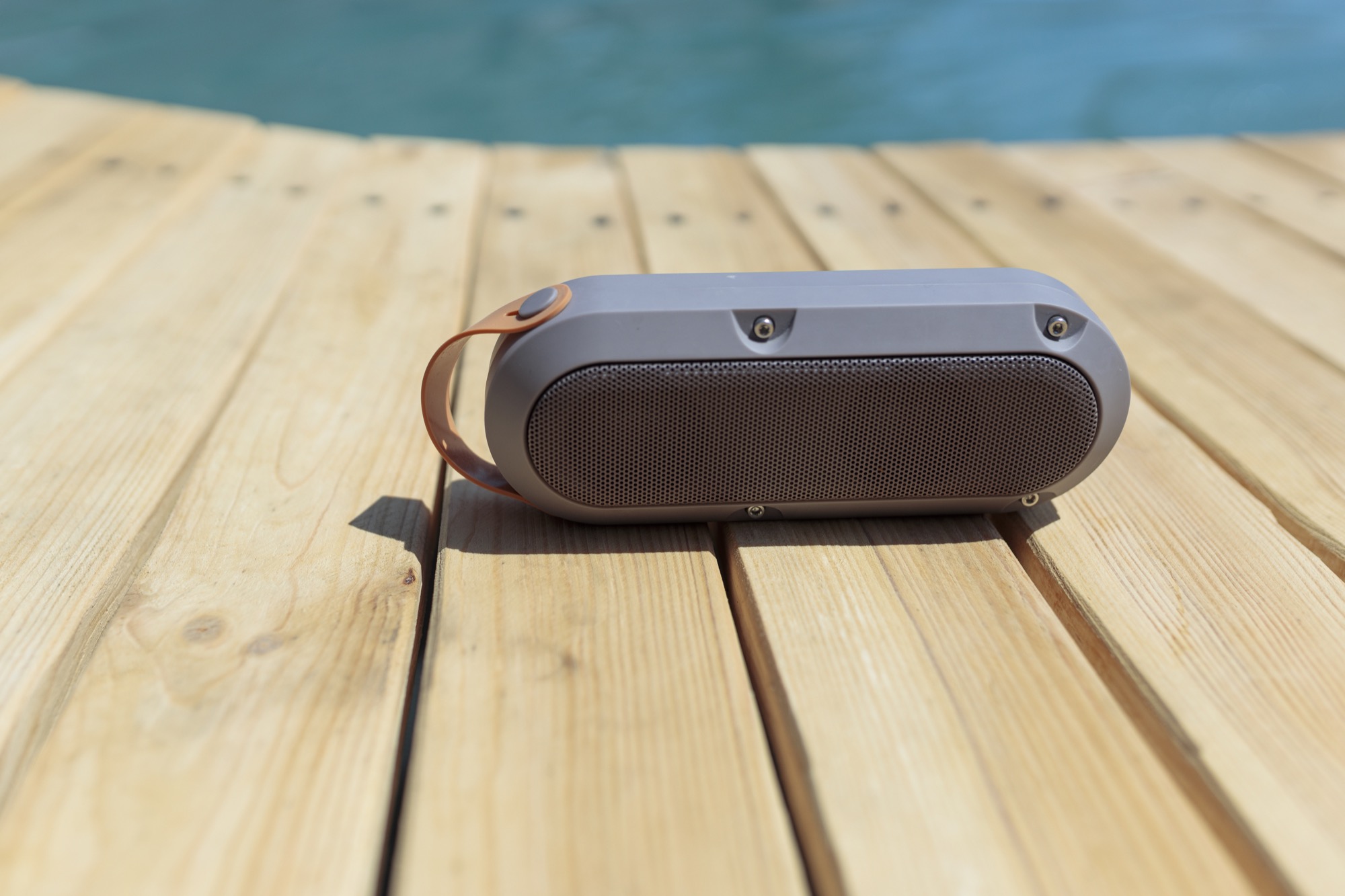
For pool, beach, or trail use, an IP67 rating and honest battery headroom outrank fancy features.
Pairing, multi-speaker tricks, and other features
Beyond the core specs, a handful of connectivity features change how a speaker fits your life. They are easy to confuse, so here is the plain-language version.
Multipoint is not the same as stereo pairing
These two get mixed up constantly. Bluetooth multipoint lets one speaker stay connected to two source devices at once, say your laptop and your phone, so you can switch without re-pairing. Stereo pairing links two identical speakers into a dedicated left and right channel for a wider, more detailed soundstage. They solve different problems, and a speaker can support one, both, or neither (Bose, connecting multiple speakers).
Party mode for bigger spaces
If you want to flood a large area, look for a "party mode" or chaining feature that links many of the same model to play in sync from a single source. Some proprietary systems chain dozens or even hundreds of compatible units. The key distinction to remember: party mode and stereo pairing connect multiple speakers to one source, while multipoint connects one speaker to multiple sources (Bose, connecting multiple speakers). If you envision growing into a two-speaker stereo setup later, confirm the model supports it before you buy the first one, since stereo pairing generally requires two of the same speaker.
Apps, EQ, and voice
A companion app with an adjustable equalizer is a real value-add, letting you tame an overbearing bass hump or brighten dull highs to taste. Built-in microphones add voice assistant support and speakerphone duty, though some buyers prefer a speaker without a microphone for privacy. Neither is essential; both are nice depending on how you live with the device.
Matching the speaker to your use case
With the building blocks covered, here is how the priorities reshuffle for the most common situations, which map directly to the searches people actually run.
Best Bluetooth speaker for a laptop or office desk
For desk and laptop use, you want clean, accurate midrange at low to moderate volume, a small footprint, and ideally Bluetooth multipoint so you can switch between a work laptop and a phone without fuss. Deep bass and high SPL barely matter at arm's length, and may even muddy things in a quiet office. A wired aux input is a bonus for a rock-solid, zero-latency connection during calls. Durability is a non-issue indoors, so spend your budget on sound clarity and convenience rather than an IP rating.
Best Bluetooth speaker for home
For a speaker that anchors a room, prioritize driver count, cabinet size, and connection quality over portability. This is the category where seriously considering a Wi-Fi or AirPlay speaker pays off, because higher-bandwidth streaming, multi-room sync, and uninterrupted playback all favor a home-network connection. A wall-powered design means no battery anxiety, and a line-in keeps a turntable or TV in the loop. The Sonos Five's six-amp, six-driver array is the archetype here, and our Sonos Five review digs into where that power does and does not justify the price.
Best Bluetooth speakers for bass and sound quality
If low-end punch is your priority, the honest answer is to go bigger. Bass is a function of moved air, so larger drivers, larger cabinets, and passive radiators beat marketing buzzwords every time. Read the frequency-response measurements from a source like RTINGS rather than trusting "deep bass" claims, and accept the tradeoff: a genuinely bass-rich speaker will be heavier and less portable. If you also need it to travel, you are making a compromise, and you should decide which side you weight more heavily.
Best speaker for outdoor and travel
Here durability and battery lead. Aim for at least IPX4, or IP67 if water and sand are in the picture, plus a clip or strap and honest battery headroom for long days. Output and ultimate fidelity take a back seat to ruggedness and runtime, which is exactly the niche the Bose SoundLink Micro is engineered for.
Best high-end wireless speakers
At the premium tier, you are paying for build quality, driver sophistication, multi-room ecosystems, and software longevity. Scrutinize the connection philosophy carefully, since the most capable home speakers often emphasize Wi-Fi and AirPlay over Bluetooth. Decide whether ecosystem lock-in (a single brand's app and multi-room network) is a feature you want or a constraint you will resent, and confirm the brand has a track record of supporting older models with updates.
A quick pre-purchase checklist
Before you click buy, run down this short list. It catches most regrets.
- Where will it live? Let that answer rank everything else.
- Does its connection match your needs? Confirm Bluetooth (and version), or Wi-Fi/AirPlay, and check for a line-in. Remember that not every wireless speaker includes Bluetooth.
- Does the codec match your phone? AAC for Apple; aptX or LDAC for Android if you care about fidelity.
- Is the IP rating right for the risk? IPX4 for splashes, IP67 for the beach, nothing fancy for a desk.
- Is the battery realistic for your sessions? Buy headroom; assume real runtime falls below the quoted figure at high volume.
- Do the measurements back the marketing? Check frequency-response data from a lab-grade source before trusting bass claims.
- Will it grow with you? If you might want a stereo pair later, confirm the model supports it now.
Get those right and the rest is preference. For specific, ranked recommendations that apply this framework to real models, head to our best wireless Bluetooth speakers for 2026 guide, and for a deep look at a premium home option, see the Sonos Five review.
How we researched this guide
Our assessments here come from cross-referencing three independent layers of evidence: manufacturers' official published specifications (Sonos and Bose product pages), the international IEC 60529 standard for IP ratings, and reputable editorial and technical sources including RTINGS, Crutchfield, SoundGuys, and What Hi-Fi?, all linked inline above so you can verify any claim yourself. Drawing on this breadth means the picture reflects how these speakers perform across many users rather than a single listening session. Where a specification could only be traced to anonymous social-media commentary, we left it out. Specifications and especially prices change over time, so always confirm the current details on the manufacturer's page and retailer listing before you buy.
Related Posts