Are Hard Coolers Worth It? An Honest Cost-vs-Value Breakdown
 Abdulwahab Suleiman·June 8, 2026
Are Hard Coolers Worth It? The Short, Honest Answer
If you have stood in a store aisle staring at a $40 cooler next to a $350 one and wondered whether the price gap buys you anything real, you are asking the right question. A hard cooler is worth it when you cool things for more than a single afternoon, when the cooler has to survive being thrown in a truck bed, or when keeping ice for several days actually changes your trip. For a quick run to a Saturday picnic, a soft bag is often the smarter buy.
That is the whole answer in two sentences. The rest of this article exists because "worth it" depends entirely on how you use the thing, and the honest version of the answer has more nuance than a yes or no. Below we break down where the money actually goes, how long different hard coolers really hold ice, when a soft cooler wins, and which features (wheels, collapsibility, capacity) earn their keep versus which are marketing.
A quick note on how we evaluate gear, because it matters for trust. We did not personally take a stopwatch to a melting bag of ice in a parking lot. This is a research-based piece. Every spec, ice-retention figure, and price below is drawn from manufacturers' official product pages and reputable third-party editorial and lab testing, and we link those sources inline so you can verify them yourself. When sources disagree, we say so. Prices and ratings quoted below were accurate as of mid-2026 and can change; always confirm the current price before buying.
What You Are Actually Paying For
"Hard cooler" covers an enormous price range, and the differences between the cheap end and the expensive end are real, not imaginary. Understanding the three things your money buys makes the worth-it question much easier to answer for your own situation.
Insulation and ice retention
The headline feature is how long the cooler keeps ice. This is where construction quality shows up most clearly. Budget hard coolers use thinner injection-molded plastic with foam insulation and typically hold ice for one to three days under real conditions. Premium rotomolded coolers use thicker walls and up to several inches of pressure-injected foam, and the best of them keep ice far longer. In a head-to-head test by OutdoorGearLab, the YETI Tundra 45 held ice for a full 10 days and kept the coolest interior temperature of the group, according to OutdoorGearLab's testing.
That is a genuine performance gap. But notice the conditions that produce it: a 10-day result comes from a well-packed cooler, kept shaded, with a high ice-to-contents ratio and an unopened lid. Real-world numbers are lower for everyone, premium and budget alike, because every time you open the lid you dump cold air.
Durability and lifespan
The second thing you pay for is how long the cooler itself lasts. Rotomolded coolers are molded as a single seamless piece, which makes them extremely tough; many are certified bear-resistant and are built to survive years of abuse in truck beds and on boats. GearJunkie, after years with the YETI Tundra 45, called it a cooler that "should last for decades of use" in their long-term review. A $35 cooler with a cracked hinge that gets replaced every two summers can quietly cost more over a decade than one good cooler bought once.
Features and convenience
The third bucket is convenience: wheels, drain plugs, dry baskets, cup holders, lid latches, and collapsibility. These do not necessarily improve cold retention, but they change how usable the cooler is for your specific routine. Wheels matter enormously if you are dragging 60 pounds of ice and drinks across a parking lot. They matter not at all if your cooler lives on a boat. We will come back to features, because this is where a lot of buyers either over-spend or under-spend.
Hard Cooler vs. Soft Cooler: Which One Is Right for You?
The most useful framing is not "expensive vs. cheap." It is "hard vs. soft," because that decision is driven by how you actually carry and use a cooler, and it determines whether a hard cooler is worth buying at all.
When a hard cooler wins
Hard coolers win on the two things soft coolers cannot match: multi-day ice retention and durability. If you camp for a weekend, fish all day in the heat, tailgate, or need a cooler that can ride in a truck bed and double as a bench, a hard cooler is the right tool. As the cooler maker Arctic Zone puts it in their hard-vs-soft comparison, a hard cooler is the better choice when it needs to "live in your garage or vehicle" and still perform in the field.
Hard coolers also have one underrated advantage: a rigid lid you can sit or stand on, and a structure that protects crushable food. A bag of sandwiches survives a hard cooler. It does not always survive the bottom of a soft one.
When a soft cooler wins
Soft coolers win decisively on portability and convenience. Modern soft coolers use high-density foam and reflective thermal liners, and the good ones hold cold for roughly 24 to 48 hours, which is plenty for a day trip, a commute lunch, or a single overnight. Arctic Zone notes in the same comparison that soft coolers "win overwhelmingly on convenience and portability." They fold flat for storage, sling over a shoulder, and weigh a fraction of a loaded hard cooler.
If you almost never need more than a day of cold, and carrying weight is your main pain point, a soft cooler is very likely the more sensible purchase, and a $300 hard cooler is not worth it for you. Be honest about your usage. Many people buy a big rotomolded cooler for a trip they take twice a year, and a soft cooler would have served them better the other 50 weekends.
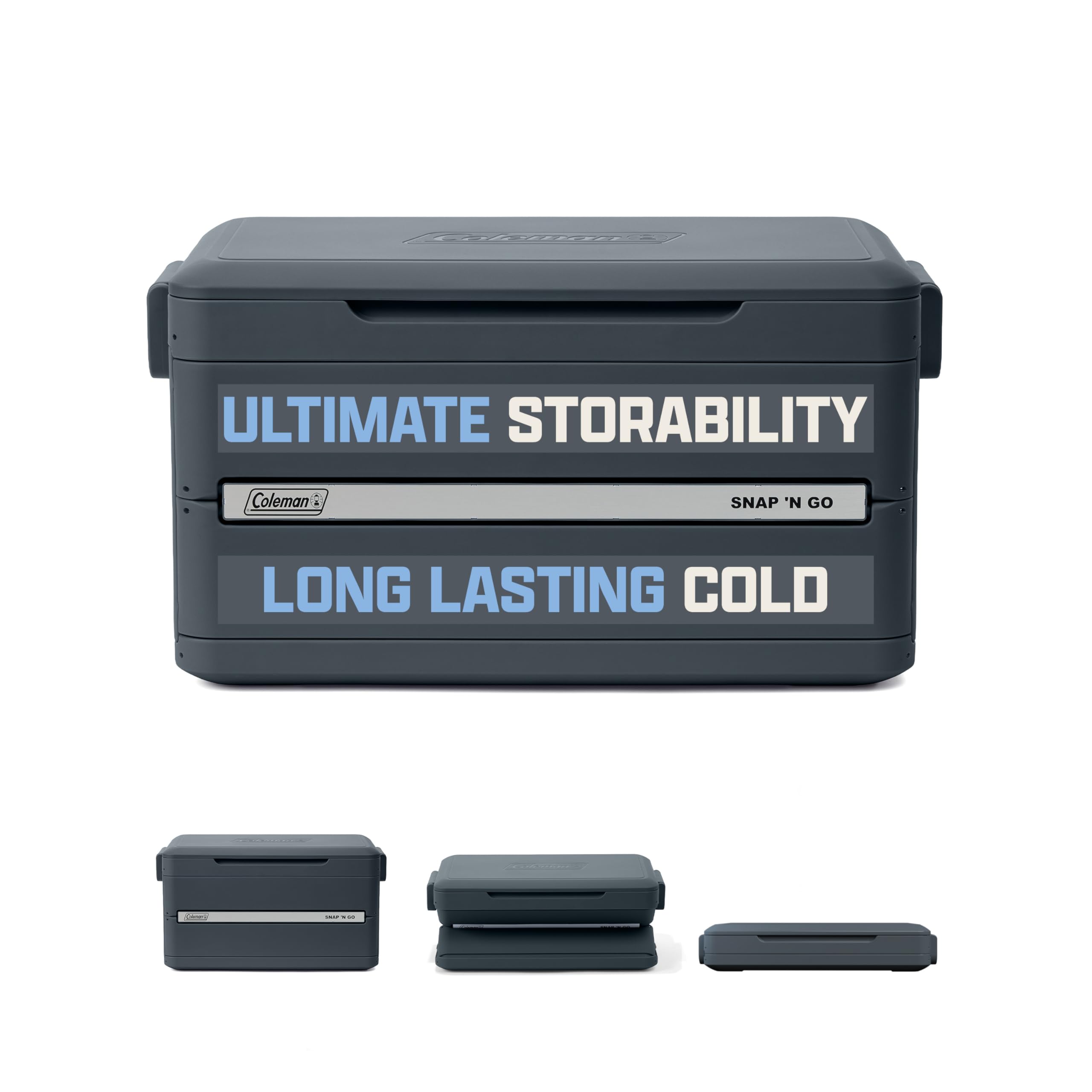
A collapsible hard cooler blurs the line between hard and soft, folding to a third of its size.
The middle ground: collapsible hard coolers
There is a newer category that splits the difference. The Coleman Snap 'N Go is a hard-sided cooler that collapses to roughly a third of its size when empty, with a removable waterproof liner, while still keeping ice cold for over two days thanks to its insulated lid and body. It is a useful answer for the person who wants hard-cooler protection but does not have the garage space (or the desire) to store a bulky box year-round. We dig into how it performs in our full Coleman Snap 'N Go cooler review, but it is worth flagging here because it changes the worth-it calculation for space-constrained buyers.
How Long Do Hard Coolers Really Keep Ice?
Ice retention is the single most searched-for spec, and also the one most distorted by marketing. Here is what the numbers actually mean.
Marketing days vs. real days
When a cooler is sold as a "5-Day" cooler, that figure comes from controlled conditions. Coleman is refreshingly clear about this on its own site: the Xtreme series coolers are rated to keep ice up to 5 days in temperatures as high as 90°F, but Coleman also states that performance depends on outside temperature, how often the lid is opened, the ice-to-contents ratio, and whether you use block ice or cubes. In warmer weather or with frequent opening, that 5-day rating can drop to two or three days in practice.
This is not a knock on Coleman; every brand's headline number is a best-case lab figure. The Coleman Xtreme rolling cooler product page lists the same up-to-5-days rating. Treat any retention number as a ceiling, not a guarantee, and assume your real result will be lower.
A realistic tier list
Synthesizing manufacturer ratings and third-party testing, here is a rough, honest hierarchy of real-world ice retention:
- Budget injection-molded coolers (Igloo, basic Coleman): about 1 to 3 days in normal summer use.
- Heavy-wall "extreme" budget coolers (Coleman Xtreme): up to 5 days rated, realistically 2 to 4 days.
- Premium rotomolded coolers (YETI, RTIC): 5 to 10 days rated, realistically 4 to 7 days in the field.
CNN Underscored, after testing 24 coolers, reached a similar conclusion: the premium rotomolded models held ice longest, but several far cheaper models kept ice well enough for typical trips, per their cooler testing. The takeaway is that the jump from "no insulation" to "decent budget cooler" is huge, while the jump from "decent budget cooler" to "premium rotomolded" is real but smaller, and only matters if your trips actually run multiple days.
How to get more days out of any cooler
The cheapest way to improve ice retention is technique, not spend. Pre-chill the cooler the night before, use block ice or frozen water bottles alongside cubes, fill empty space so there is less warm air, keep it in shade, and open the lid as little as possible. These habits can add a day or more to a budget cooler and partly close the gap with a premium one, which is worth weighing before you spend hundreds extra.
Best Cooler for Ice Retention: Does Spending More Pay Off?
Let us answer the spending question directly, because "best cooler for ice retention" almost always leads people toward the most expensive option, and that is not always the right call.
The premium case
If you regularly take trips of three or more days, fish or hunt where keeping a catch cold matters, or simply want a cooler you buy once and keep for decades, the premium spend is defensible. The YETI Tundra 45 retails around $325, weighs about 24.6 pounds empty, and holds up to 54 cans, per YETI's official Tundra 45 page. For that money you get class-leading retention and a near-indestructible build. GearJunkie's verdict was that "if it fits your lifestyle, you'll get your money's worth," in their Tundra 45 review. The key phrase is "if it fits your lifestyle."
The value case
Here is the part the premium brands would rather you skip: the performance gap is narrowing, and the price gap is not. Treeline Review and others have found that rotomolded competitors like RTIC deliver comparable ice retention at roughly half the price, with the main trade-offs being a bit more weight and less polished hardware, as covered in Bob Vila's roundup of YETI alternatives. For most buyers who genuinely need multi-day retention, a mid-priced rotomolded cooler captures the large majority of the benefit for a fraction of the cost.
And for the buyer who needs "good enough for the weekend," a heavy-wall budget cooler like the Coleman Xtreme delivers most of what a casual camper needs. Spending up to a premium model for occasional use is, plainly, not worth it for that person.
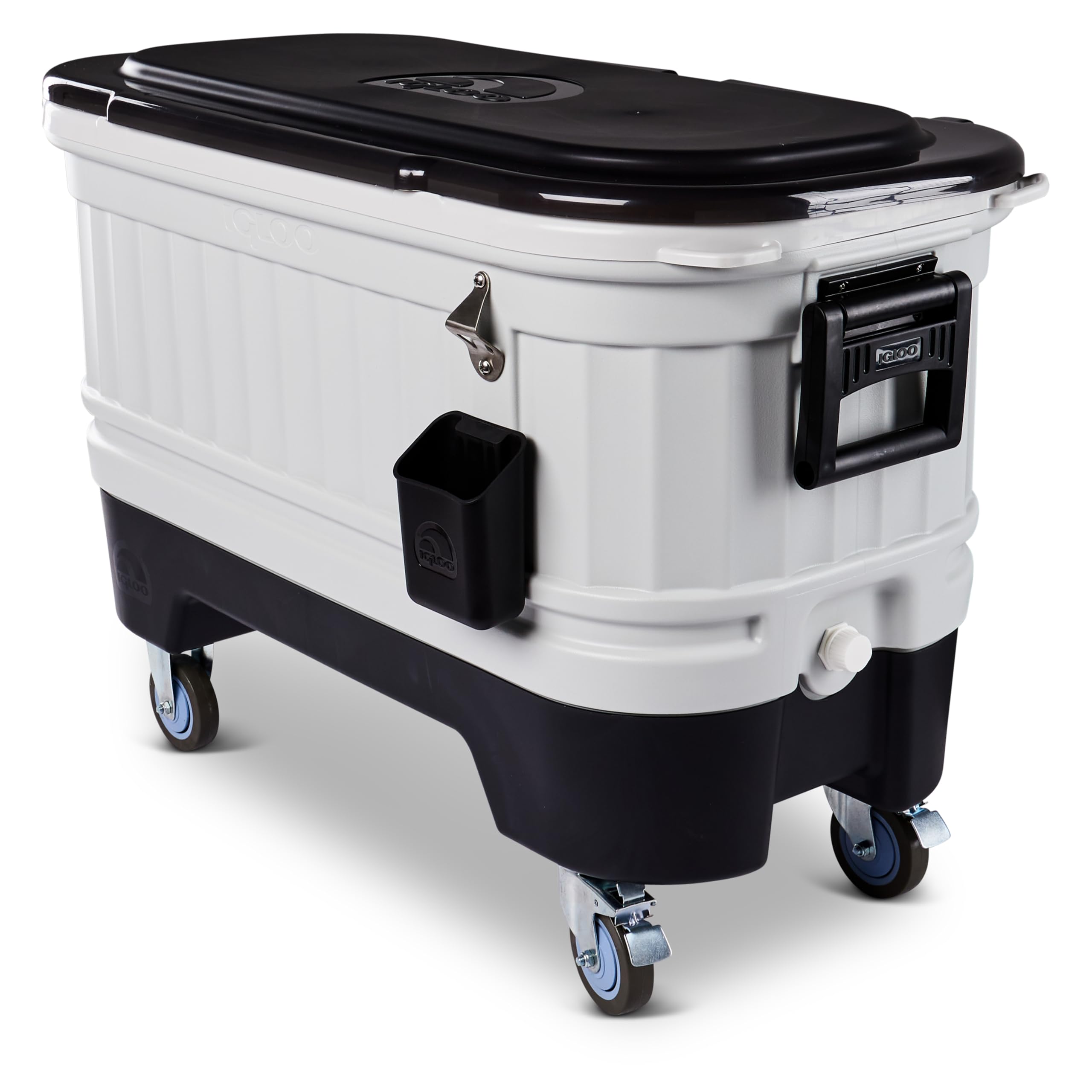
A well-built budget hard cooler covers most casual day-trip and overnight needs.
So, is it worth it?
The honest matrix looks like this. A hard cooler is worth it if any of these are true: you regularly cool for more than one day, you need durability for rough transport, or wheels and structure solve a real carrying problem for you. A premium rotomolded cooler on top of that is worth it only if you also use it often and value buy-it-for-life durability. If your real usage is "occasional day trips," a soft cooler or an inexpensive hard cooler is the smarter spend, and the premium upgrade is money you will not feel the benefit of.
Are Hard Coolers Worth It for Camping?
Camping is the use case where hard coolers most clearly justify themselves, but even here the right answer depends on the kind of camping you do.
Car camping and base camps
For drive-in camping, where the cooler rides in the trunk and sits at a fixed campsite, a hard cooler is almost always worth it. You are cooling food and drinks for multiple days, you are not carrying the cooler far, and weight barely matters. This is the scenario rotomolded and heavy-wall coolers were built for. A weekend of camping in summer heat is exactly the kind of multi-day, lid-opening-heavy use where retention separates a good cooler from a bad one, and where a cheap cooler full of warm meltwater on day two ruins the trip.
Backpacking and minimalist trips
For backpacking or any trip where you carry everything on your back, a hard cooler is the wrong tool at any price. The weight is a dealbreaker. Lightweight soft coolers, frozen meals, or simply non-perishable food are the right answers. Worth-it does not apply; a hard cooler is a non-starter here regardless of how good it is.
Capacity for camping
If you are buying a hard cooler for camping, size it for the group and trip length. Best large hard coolers in the 50- to 100-quart range suit family camping and longer trips, while a 25- to 45-quart cooler covers a couple or a long weekend. Bigger is not automatically better: a half-empty cooler wastes insulation on warm air, so match capacity to actual need. Our best hard coolers guide breaks down specific models and sizes for camping and other uses if you want a shortlist.
Are Hard Coolers With Wheels Worth It?
Wheels are the single feature most likely to be either a game-changer or a waste, depending entirely on how you move your cooler.
When wheels are worth it
A fully loaded 50- to 100-quart cooler can weigh well over 60 pounds with ice and drinks. Dragging that across a campground, a beach parking lot, or a tailgate field is genuinely hard on your back, and wheels solve it. For anyone who loads up and rolls a meaningful distance, wheels are one of the best value-add features you can buy. The Coleman Classic rolling cooler pairs heavy-wall insulation rated to keep ice up to five days with wheels and a tow handle in a 100-quart size, aimed squarely at the buyer hauling a lot of cold a long way.
The best cooler for ice retention with wheels, for most people, is whichever well-insulated wheeled model fits their capacity needs, because the wheels and the insulation are largely independent features; you do not have to trade one for the other in this category.
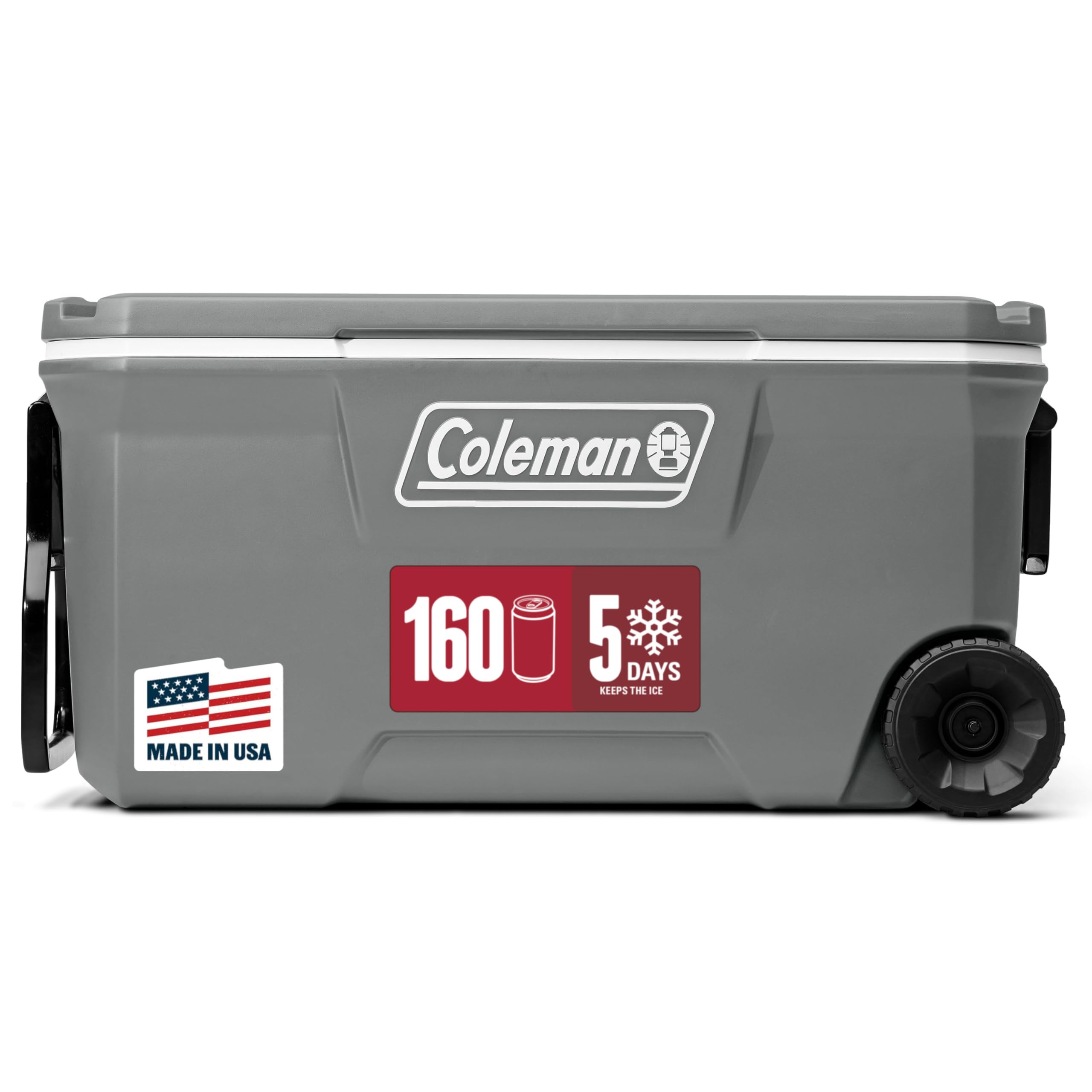
A wheeled hard cooler is worth it when you haul a heavy load over distance.
When wheels are not worth it
If your cooler lives on a boat, gets carried short distances, or rides in a truck bed and gets lifted out at the destination, wheels add weight, bulk, and potential failure points (axles and wheels are common wear items) without giving you much back. Wheels also slightly reduce the usable footprint and can complicate stacking. For stationary or short-carry use, skip them and put the money toward insulation or capacity instead.
Features Worth Paying For (and Features That Are Marketing)
Beyond the big questions, a handful of features come up constantly in cooler listings. Here is an honest read on which earn their price.
Worth paying for
- A real drain plug. Draining meltwater without tipping a 50-pound cooler is a genuine convenience, and a leak-resistant drain keeps your trunk dry. Low cost, high daily value.
- Thick, gasketed lids. The lid seal is where a lot of cold escapes. A properly insulated, gasketed lid is a meaningful retention upgrade, not a gimmick.
- Sturdy handles and latches. On heavy coolers, robust handles and latches are the parts most likely to fail and the ones you will curse if they do.
Usually marketing
- Cup holders and bottle openers molded into the lid. Pleasant, occasionally handy, never a reason to choose one cooler over another.
- Extreme "days of ice" claims. As covered above, treat any headline retention number as a best-case ceiling. The number is real; the conditions behind it rarely match yours.
- Premium colorways. You are paying for the finish, not performance. Nothing wrong with that if you want it, but recognize it for what it is.
Cost Over Time: The Number Most People Skip
Sticker price is the wrong way to compare coolers, and it is the main reason the worth-it debate goes in circles. The right number is cost per year of useful life, and once you frame it that way the gap between cheap and premium narrows considerably for heavy users.
Consider two buyers. The first buys a $40 budget cooler, uses it hard, and replaces it every two or three summers as hinges crack and the plastic warps. Over a decade that is roughly three or four coolers, or somewhere around $120 to $160, plus the hassle of re-buying and the trips compromised when a cooler fails mid-season. The second buys a $325 rotomolded cooler that, by GearJunkie's account, "should last for decades," per their long-term Tundra review. Spread across 15 or 20 years of regular use, the premium cooler's annual cost lands surprisingly close to the budget option, while delivering far better retention the entire time.
That math only works in the premium buyer's favor if the cooler actually gets used. For someone who cools drinks twice a summer, the budget cooler will outlast their interest in it, and the premium model's durability is value they never collect. This is the crux of the whole question: durability is only worth paying for if you are around long enough, and use the cooler often enough, to redeem it. Be honest about which buyer you are before you let a cost-per-year argument talk you into the expensive box.
There is also a resale angle worth a mention. Premium rotomolded coolers from well-known brands hold their value on the secondhand market far better than budget coolers, which are effectively worthless used. If buy-it-for-life is not your style, a quality cooler bought new and sold later can cost less net than it appears. A budget cooler, by contrast, is a sunk cost the day you open it.
Quick Answers to Common Cooler Questions
A few specific questions come up again and again. Here are short, honest answers grounded in the same sources used above.
What is the best cooler for ice retention?
For maximum measured retention, premium rotomolded coolers lead; the YETI Tundra 45 held ice for a full 10 days in OutdoorGearLab's test. For the best retention per dollar, a mid-priced rotomolded competitor captures most of that performance for roughly half the price, as Bob Vila notes among YETI alternatives. The single biggest retention upgrade for any buyer, though, is moving from no insulation to a competent hard cooler; everything past that is incremental.
Are hard coolers worth it just for a day at the beach?
Usually not, on their own merits. A day at the beach is exactly the single-afternoon use case where a soft cooler's portability wins and a hard cooler's multi-day retention goes unused. If the same cooler also serves weekend camping or tailgating, then the hard cooler earns its keep across all those uses and the beach day is a bonus. Buy for your hardest, longest use case, not your easiest one.
How big a hard cooler do I need?
Match capacity to your group and trip length, and resist the urge to oversize. A 25- to 45-quart cooler suits a couple or a long weekend; the best large hard coolers in the 50- to 100-quart range fit family camping and multi-day hauls. A half-empty cooler insulates a lot of warm air and melts ice faster, so a right-sized cooler that you keep packed will outperform an oversized one you run half full.
Do I really need wheels?
Only if you carry a heavy cooler over distance. Wheels are a genuine back-saver for campground and parking-lot hauls and add little downside there. For a cooler that lives on a boat or gets lifted straight out of a truck, wheels are dead weight and an extra thing to break. Decide based on how far you actually drag it loaded.
The Bottom Line
So, are hard coolers worth it? For multi-day cooling, rough transport, and serious outdoor use, yes, clearly. A hard cooler keeps ice longer, survives abuse, and protects your food in ways a soft bag cannot. For occasional day trips where portability is your real concern, a soft cooler is the smarter buy and a hard cooler is overkill.
The bigger trap is not hard-vs-soft; it is overspending within the hard-cooler category. The leap from no insulation to a competent budget cooler is enormous and almost always worth it. The leap from a competent budget cooler to a premium rotomolded one is real but smaller, and only pays off if you actually use the cooler often and need multi-day retention or buy-it-for-life durability. Match the cooler to your honest usage, use good ice-packing technique, and you will get the best value whether you spend $40 or $325.
If you want concrete model recommendations sized to camping, hauling, and storage, our best hard coolers guide lays out specific picks, and our Coleman Snap 'N Go cooler review covers the collapsible option in depth for space-limited buyers.
Related Posts