
Why the Hanger You Choose Actually Matters
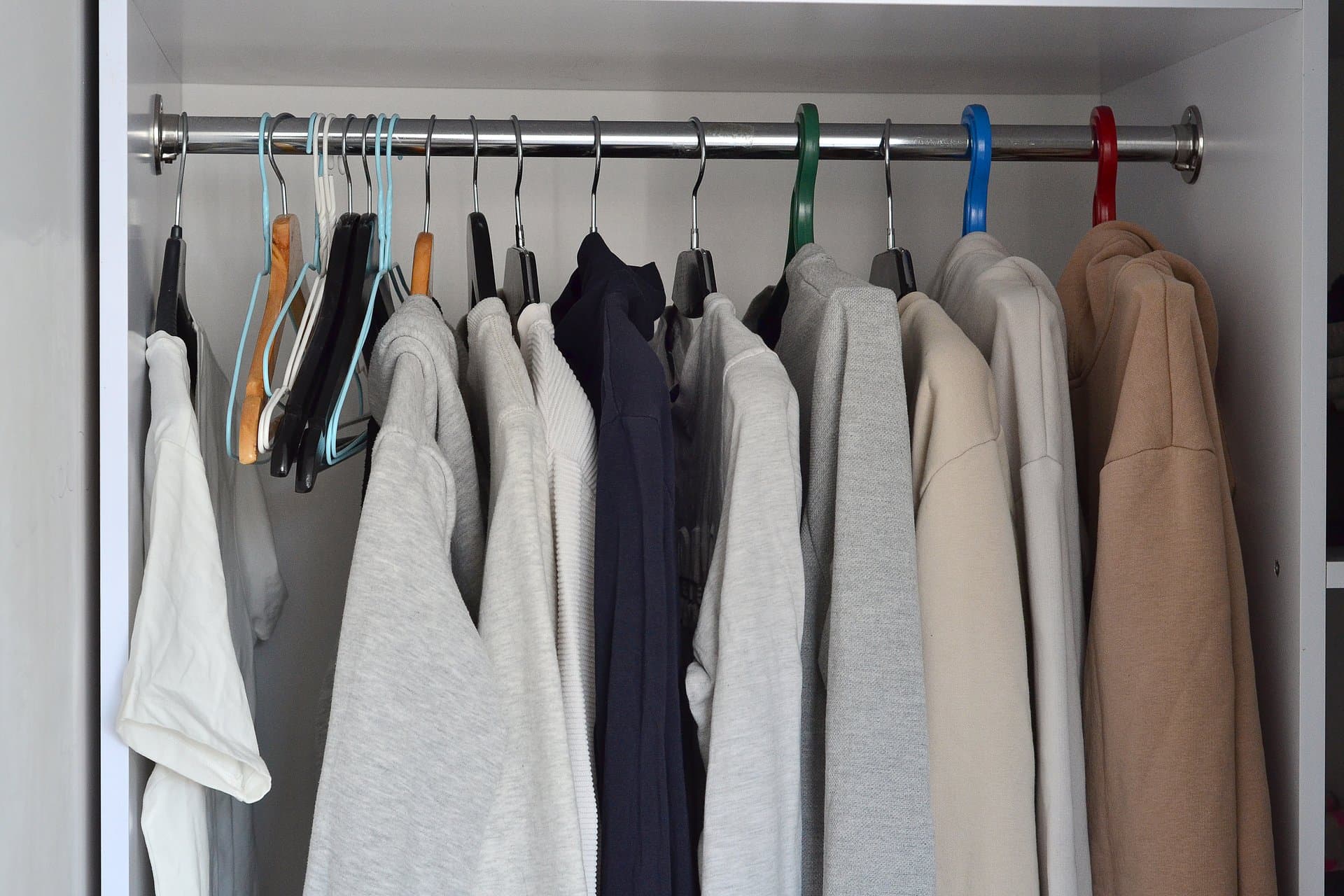
A hanger looks like the most disposable object in your home. You grab a fistful of whatever came with the dry cleaning, hang your shirts, and forget about it. But the hanger is the only thing touching a garment for the roughly 23 hours a day you are not wearing it, and over months that contact does real, visible work. The wrong hanger leaves bumps in the shoulders of a knit, stretches the collar of a dress shirt, slides a silk blouse onto the floor, and quietly bends a wool coat out of its tailored shape. Learning how to choose clothes hangers is, in practice, learning how to protect the clothes you already paid for.
This guide is research-based. We did not hand-test hangers in a lab; instead we synthesized the published guidance of closet-organization specialists, retailer buying guides, and garment-care experts, and we anchor spec claims on manufacturers' own product pages. Where a fact comes from a source, we link it so you can check it. The goal is simple: by the end you will know which material to buy for which garment, how many you need, and which trade-offs are worth paying for.
If you want our ranked product picks rather than the decision framework, jump to the companion roundup, the best clothes hangers for 2026. This article is the "how to decide" half of that pair.
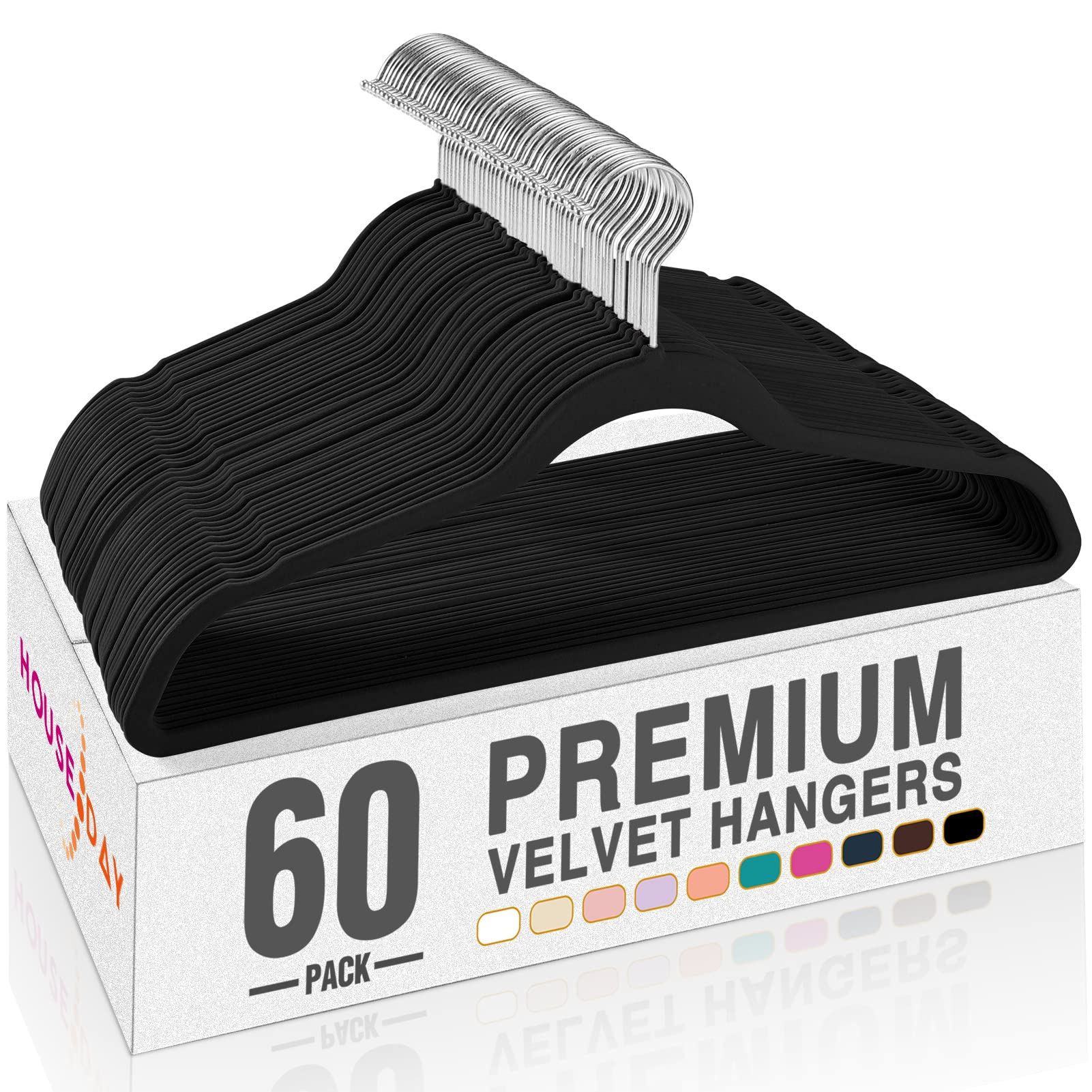
Slim velvet hangers keep clothing from slipping and free up rod space — a common starting point for a closet refresh.
Start With the Real Cost of the Wrong Hanger
Before comparing materials, it helps to name the four failures a bad hanger causes, because every material choice below is really a choice about which of these you most want to avoid.
Shoulder marks (the "hanger bumps")
Those little peaks at the top of each shoulder come from a hanger whose ends are too thin, too pointed, or too narrow for the garment. The fabric drapes over a sharp edge and, given enough time and gravity, takes the shape of that edge. Knits and jersey are the worst affected because the fibers stretch and hold. The fix is a hanger with rounded, contoured, or padded ends that spread the load — which is why "best hangers for no shoulder marks" is one of the most common things shoppers search for. Velvet and wood both solve this far better than wire.
Stretched collars and shoulders on dress shirts
A button-down hung on a too-wide hanger gets pulled at the seams; one hung on a too-narrow hanger sags and the collar loses its line. Garment-care guidance is consistent that a structured hanger that matches the shoulder width keeps a dress shirt's collar and shape intact, and that for delicate fabrics a velvet or padded surface prevents the fabric from being "ruffled or mishandled," per The Container Store's hanger guide.
Slipping (clothes on the floor)
Wide-neck tops, silk, satin, and anything cut on the bias slide off a smooth plastic or wire hanger. This is the single biggest argument for velvet: its flocked surface has a non-slip texture that keeps clothing in place, as both Wayfair's types-of-hangers guide and the Container Store note. Plastic hangers fight slipping a different way, with built-in shoulder notches and grooves.
Wasted closet space
This one is about quantity, not damage. Bulky hangers eat rod length, so you fit fewer garments and the closet looks crowded. Slim hangers take roughly two to three times less space than traditional ones, which is why a "closet hangers organizer" mindset usually starts with swapping to a thinner profile, according to The Container Store's slim-hanger collection notes.
Keep these four failures in mind. The rest of this guide is just matching them to the right material and shape.
Velvet vs. Plastic vs. Wood: The Three Choices That Cover 95% of Closets
There are exotic hanger types — padded satin for couture, clip hangers for skirts, cascading hangers for tight spaces — but for everyday clothes the real decision is among three materials. Here is how they actually differ.
Velvet (flocked) hangers: the non-slip, space-saving default
Velvet hangers are slim, and their flocked surface grips fabric so clothes do not slide off. That combination of a thin profile plus non-slip texture makes them the most popular modern upgrade from wire or builder-grade plastic. The trade-off is load: the Container Store and other guides caution that the very thin profile that saves space also limits how much weight a velvet hanger can carry before it bends, so they are ideal for shirts, blouses, dresses, and light jackets, and less ideal for a heavy winter coat.
Velvet is the answer when your top complaint is slipping or shoulder bumps. If you want a closer look at whether they live up to the hype, we go deeper in our companion piece on whether velvet hangers are good for your clothes.
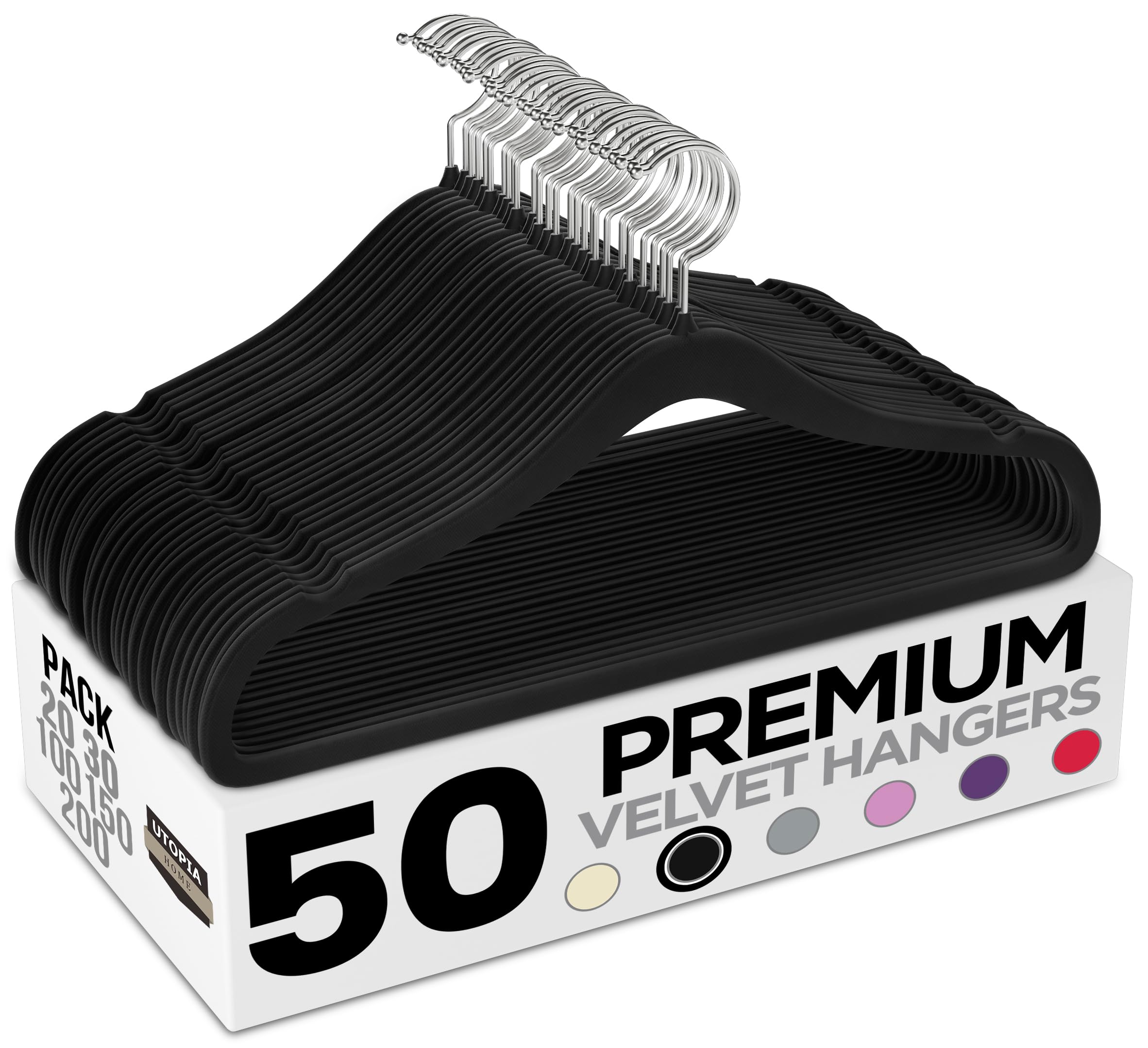
Velvet hangers combine a thin, space-saving profile with a non-slip flocked surface that holds wide-neck and delicate garments.
Plastic hangers: the cost-effective, do-everything workhorse
Plastic is the most cost-effective and easiest hanger type to find, and it lasts far longer than wire without bending or breaking, as Hayden Hill's hanger guide and the Wayfair guide both point out. Good plastic hangers solve the slipping problem with molded shoulder notches rather than a grippy coating. They are lightweight, inexpensive, and easy to buy in bulk, which is why they remain the default for a kid's room, a guest closet, a dorm, or any space where you need a lot of hangers and do not need them to be pretty.
The honest limitation is the shoulders. Cheap, thin plastic hangers with sharp ends can still leave marks, so look for ones with rounded or slightly contoured ends and built-in grooves. A solid mid-weight plastic set is the most practical "best plastic hangers for clothes" choice for most households — see our hands-off breakdown of the Utopia Home plastic hangers 100-pack as a representative example of what to look for in the category.
Wood hangers: the durable, shape-keeping premium option
Wooden hangers are the most durable of the three. They are less prone to deform or bend and have better weight-bearing capability than plastic or wire, which is why garment-care guides recommend them for heavier items, per the Container Store's hanger guide. A contoured wooden hanger holds the shape of a structured shirt or jacket the way a tailor intends. Cedar adds a second benefit: it is a natural pest repellent and absorbs excess moisture from the air, helping keep mold and mildew out of a closet, as Catcher Labs' cedar guide explains.
The downsides are price and bulk. Wood costs more per hanger and takes more rod space, so most people use it selectively — for suits, blazers, heavy coats, and tailored trousers — rather than for an entire closet.
Wire hangers: why almost every guide says to throw them out
Wire is the one material to avoid. The thin gauge concentrates a garment's whole weight on two sharp points, which is what produces the classic shoulder bump and, on heavier items, an outright sag. Wire also bends and rusts. Retailer and organizer guides are nearly unanimous that the upgrade from wire to almost anything else is the single highest-impact swap you can make. If you take one thing from this section: the dry-cleaner wire hangers are not free, they are borrowed damage.
Match the Hanger to the Garment
The fastest way to choose is to stop thinking about your closet as one thing and start thinking garment by garment. Here is the research-backed matchup for the categories people search for most.
Best hangers for dress shirts
For a button-down or oxford, you want a hanger that supports the shoulder without stretching it and keeps the collar's line. A medium-weight contoured plastic hanger with shoulder notches works for everyday shirts; a contoured wooden hanger is the upgrade for shirts you want to keep crisp. For delicate or silk shirts, switch to velvet or padded so the surface will not snag, as the Container Store guide advises. Avoid wire entirely here — dress shirts are exactly where hanger bumps show.
Best hangers for heavy coats
A winter coat, wool overcoat, or leather jacket needs a hanger that will not bend under load and that matches the garment's shoulder contour. Garment-care guidance points to a contoured wooden hanger that "matches its shape and won't bend under pressure" for heavier coats, per the Artisan Custom Closets wardrobe guide. This is the one category where it is worth spending on wood: a thin velvet or light plastic hanger can flex under the weight of a heavy coat over time, distorting the shoulders.
Best hangers for pants
You have two good options. A wooden hanger with a smooth, thick trouser bar lets you drape slacks over the bar without creasing them — and the thicker the bar, the better, because a thin bar leaves a crease line, per the Butler Luxury garment-hanger guide. The alternative is a clip hanger that holds pants by the waistband or cuffs, which keeps a sharper press but can leave clip marks on delicate fabric, so use clips with the cuff folded or with a fabric guard. For jeans and casual trousers, a velvet pant hanger or a notched plastic hanger is fine.
Best hangers for no shoulder marks
If avoiding bumps is your main concern across the board, the answer is consistent: choose hangers with rounded, contoured, or padded ends, and avoid thin wire and sharp-cornered plastic. Velvet's slim-but-rounded ends and wood's broad contoured ends both spread the garment's weight over a wider area instead of two points. Padded satin hangers are the gentlest of all and are worth it for beaded, embellished, or vintage pieces.
Best hangers for clothes that slip (wide necks, silk, knits)
Anything with a wide or boat neckline, plus silk, satin, and slinky knits, wants a non-slip surface. Velvet is the straightforward answer because its flocked texture grips, per the Wayfair guide. The plastic alternative is a hanger with deep molded shoulder notches that physically catch the neckline. Knits deserve a special note: many garment-care experts recommend folding heavy knits and chunky sweaters instead of hanging them at all, because even a good hanger lets gravity stretch the shoulders over time.
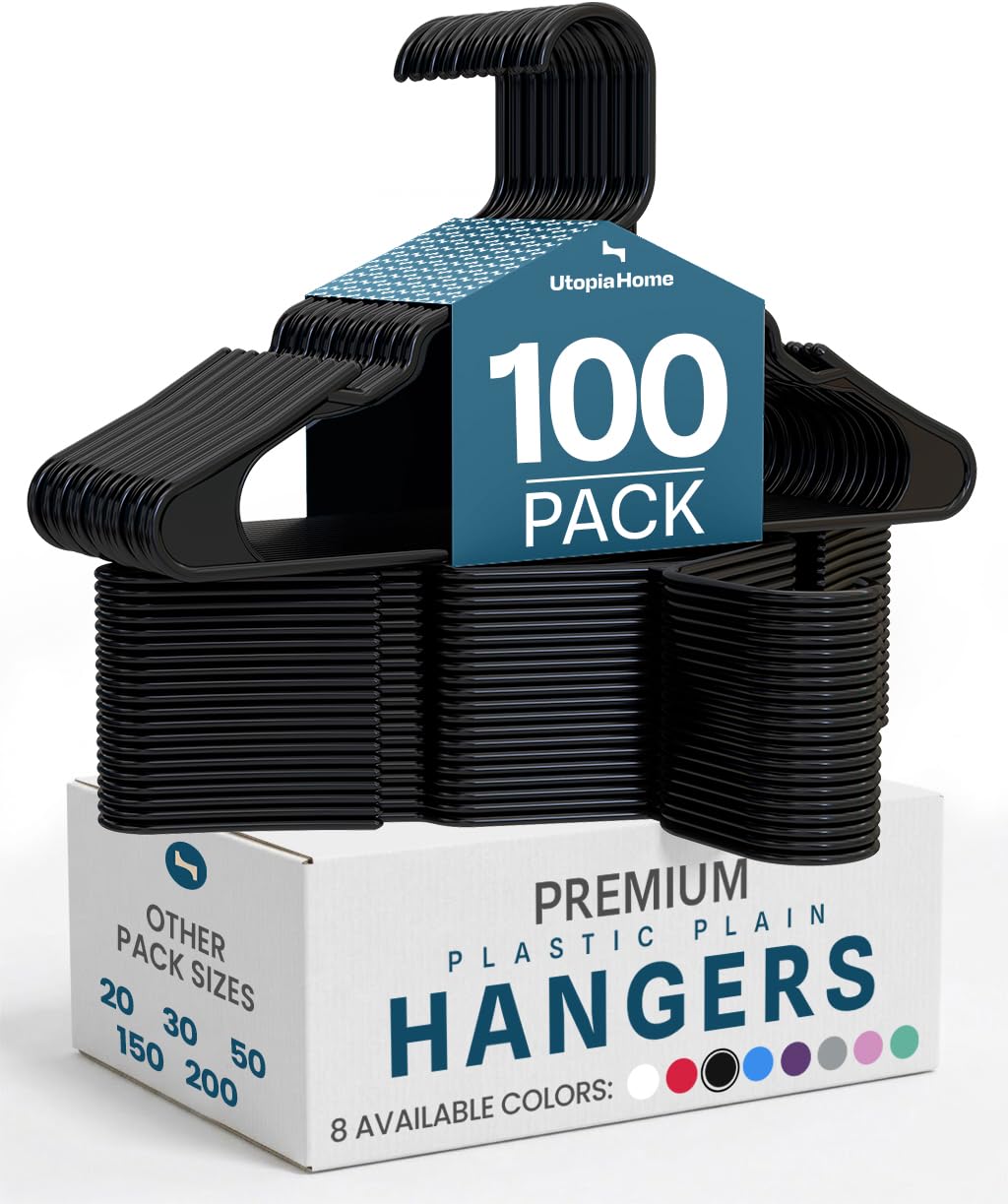
Look for plastic hangers with built-in shoulder notches and rounded ends, like this bulk set, for everyday shirts and tops.
The Details That Separate a Good Hanger From a Frustrating One
Material gets you most of the way, but a few construction details decide whether you will actually be happy with a set after a month.
Shoulder notches and grooves
Built-in shoulder notches are the small grooves near each end that catch the straps of a camisole, tank, or strappy dress so they do not slide off. They are the plastic-hanger answer to velvet's grip. The representative Utopia Home plastic hanger, for example, lists "built-in shoulder notches" to secure strappy clothing on the manufacturer's product page. If you hang a lot of tank tops or sundresses, treat notches as a requirement, not a bonus.
Hook type: fixed vs. swivel (360°)
A fixed hook forces you to turn the whole hanger to face a garment forward; a swivel hook (often advertised as 360-degree rotatable) lets you turn just the hook so every garment faces the same way without wrestling the hanger off the rod. Swivel hooks are common on velvet and better wooden hangers and are a genuine quality-of-life upgrade for a packed closet, even though they rarely change how a garment hangs.
"Short neck" vs. standard hooks
If you have searched for "short neck hangers," you are usually solving one of two problems: a shelf or upper rod sits low and a tall hook will not fit, or you want garments to hang slightly higher off the closet floor for long coats and dresses. Short-neck (low-profile) hooks tuck garments closer to the rod. They are a niche need, but a real one in built-in closets and RVs — measure the gap between your rod and the shelf above before buying if clearance is tight.
Thickness and the space trade-off
Hanger thickness is the lever for closet capacity. Slim hangers can be as thin as about 1/4 inch (roughly 6mm) for plastic and even thinner for some metal designs, and going slim is what lets you "fit significantly more items," per the Container Store's slim-hanger guidance. The catch we mentioned earlier applies: the thinner the hanger, the lower its safe load. So slim is the right default for shirts and tops, and a thicker wooden hanger is the right call for the heavy pieces.
Consistency matters more than you think
There is a non-obvious benefit to buying one matched set rather than mixing whatever you have: a closet of identical hangers makes garments hang at a uniform height and depth, which both looks calmer and genuinely makes it faster to find things. This is the real reason organizers push the "swap everything at once" approach: the uniformity is the upgrade, not just the material.
How Many Hangers Do You Actually Need?
Buying too few means you mix in old wire hangers anyway; buying way too many wastes money and rod space. Two quick methods.
The count method. Open your closet and count the garments you currently hang, then add about 15–20% for growth and laundry-day overlap (the items in the wash that will come back to the rod). A typical single adult's main closet lands somewhere between 50 and 100 hangers, which is exactly why hangers are sold in 50- and 100-packs.
The rod-length method. If you are buying slim hangers to maximize capacity, measure your usable rod length in inches and divide by the per-hanger thickness. A 36-inch rod with 1/4-inch slim hangers could theoretically hold around 140 garments edge to edge — though in practice you want some breathing room, so plan for fewer. This method is most useful when the goal is squeezing a small closet, where the difference between a 1/2-inch builder hanger and a 1/4-inch slim one literally doubles capacity.
A practical pattern that works for most homes: buy a large bulk pack of good plastic or velvet hangers for the everyday shirts, tops, and dresses, and add a smaller set of contoured wooden hangers (a dozen or so) reserved for suits, blazers, and heavy coats. You get the space savings where you have volume and the shape protection where it matters.
Care: Make a Good Hanger Last
A couple of habits extend the life of both the hanger and the clothes on it.
- Hang clothes dry. Hanging a damp shirt stretches it and, on wood, invites moisture damage; let garments finish drying before they go on the rod. This matters especially with cedar, which absorbs moisture and should not be loaded with wet clothing, per Catcher Labs' cedar guidance.
- Refresh cedar instead of replacing it. Cedar's moth-repelling scent fades as its oils evaporate. Rather than buying new, a light sanding with fine-grit paper every one to two years releases fresh oils and restores the effect, as cedar-care sources note. This keeps the natural protection working without ongoing cost.
- Do not overload slim hangers. Treat thin velvet and plastic hangers as light-to-medium duty. Putting a heavy coat on a slim hanger is the fastest way to bend it and crease the shoulders.
- Fold what shouldn't hang. Heavy sweaters, chunky knits, and anything that visibly stretches at the shoulder belong folded on a shelf, not on a rod. No hanger fully defeats gravity on a heavy knit.
A Simple Decision Framework
If you want a one-paragraph answer, here it is. For the bulk of a normal closet — shirts, blouses, dresses, light jackets — choose velvet if your problem is slipping or shoulder bumps and you value space, or good notched plastic if you want the most hangers for the least money and you are buying in bulk. Reserve contoured wood for suits, blazers, heavy coats, and tailored trousers, where shape and load-bearing matter. Add a few clip or trouser-bar hangers for pants and skirts. And throw out the wire hangers — every guide agrees that is the easiest win.
That framework, plus matching the hanger to the garment as the tables above describe, covers virtually every closet. When you are ready to pick specific products, our 2026 best-clothes-hangers roundup ranks tested-by-research options across each material, and our plastic 100-pack review walks through what a strong everyday bulk set looks like in detail.
Frequently Asked Questions
Are velvet hangers worth it?
For most people, yes — for shirts, blouses, dresses, and light jackets. Their non-slip surface stops clothes sliding off and their slim profile saves real closet space. The caveat is weight: keep heavy coats off them. We cover the nuance in our dedicated velvet-hanger explainer.
Do plastic hangers ruin clothes?
Good plastic hangers do not. The problem is thin, sharp-cornered cheap ones that leave shoulder marks. Choose plastic hangers with rounded or contoured ends and built-in shoulder notches, and they will protect everyday garments well while lasting far longer than wire, per the Wayfair and Hayden Hill guides linked above.
What hanger is best for keeping a closet organized?
Consistency is the secret. A single matched set — most often slim velvet or uniform plastic — makes everything hang at the same height and depth, which both looks tidier and makes garments faster to find. Mixing hanger types is what makes a closet look chaotic even when it is technically organized.
Should I hang or fold sweaters?
Fold heavy and chunky knits. Even a good hanger lets gravity stretch the shoulders of a heavy sweater over time. Lighter knits can hang on a velvet or padded hanger, but anything substantial belongs folded on a shelf.
Related Posts