Brita UltraMax Review: Big-Capacity Filtered Water, Honestly Assessed
 Abdulwahab Suleiman·June 16, 2026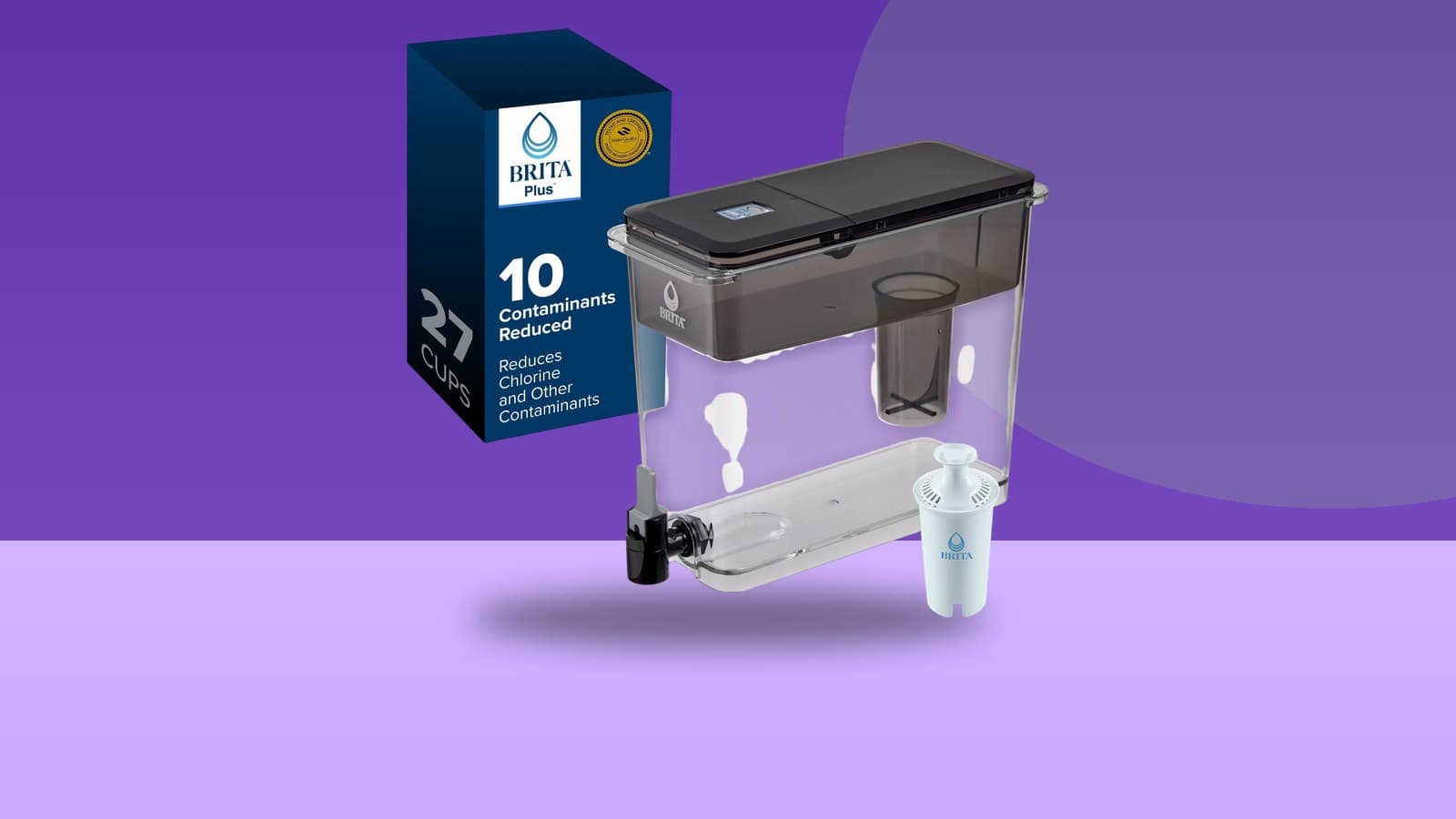
The Brita UltraMax in one minute
If your household empties a standard six-cup pitcher before lunch, the Brita UltraMax is the obvious step up. It is a 27-cup countertop dispenser that holds over a gallon of filtered water and lies down flat enough to slide onto a fridge shelf. The spigot means no lifting a heavy jug to pour, which is the single feature most people upgrade for.
The catch is filtration, and it is worth being honest about it up front. The UltraMax is a hardware platform. What it actually removes from your water depends entirely on which filter you drop into it, and Brita sells three that fit: the Standard, the BritaPlus (which ships with several UltraMax bundles, including this one), and the Elite. Only one of those is independently certified to reduce lead. That distinction drives almost everything in this review, so we will keep coming back to it.
This is a research-based assessment. We did not run this dispenser on a lab bench ourselves; instead we synthesized Brita's published specifications, the independent lab results from TechGearLab, and the NSF/WQA certification record for each filter. Where the evidence is thin or a claim could only be traced to anecdote, we left it out.
Where to Buy
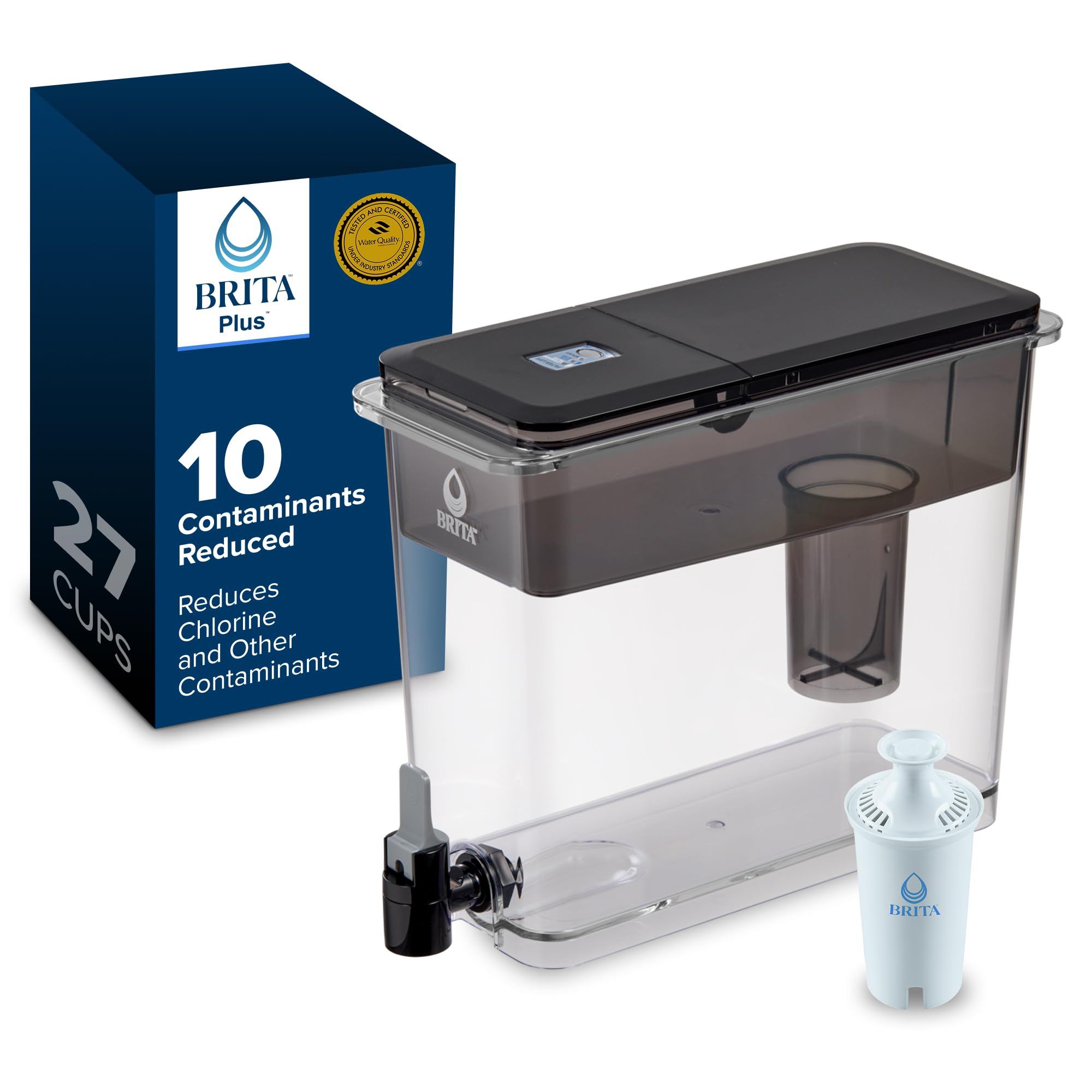
The UltraMax sits on the counter or lies flat in the fridge, with a spigot instead of a pour spout.
What you actually get: the Brita UltraMax large water dispenser
Strip away the marketing and the UltraMax is a well-judged piece of plastic. The reservoir is rated at 27 cups, which Brita describes as nearly twice the capacity of a standard pitcher and more than a gallon held at once. The body measures 14.37 inches long, 10.47 inches high, and 5.67 inches wide, and the whole thing weighs about 3 pounds empty. The footprint matters more than the numbers suggest: the long, low shape is designed to lie horizontally on a fridge shelf, which is how most owners store it once it is full.
The dispenser is made without BPA, and the lid carries an electronic filter-change indicator powered by a small lithium battery, so you get a light rather than a guess about when to swap the cartridge. There is no pump and no power cord. You pour tap water into the top chamber, gravity pulls it through the filter into the lower reservoir, and you draw it off through the spigot.
Brita UltraMax assembly and first run
Setup is genuinely simple, which is one reason the UltraMax suits people who do not want a project. Soak the new filter in cold water for about 15 minutes, rinse it, push it firmly into the reservoir seat until it is snug, then run two or three full reservoirs through and discard that water. The early discard runs clear out loose carbon fines, which is why your first glass can look faintly gray if you skip the step. Once it is seated correctly the filter should not wobble, and a loose filter is the most common cause of unfiltered water sneaking past, so it is worth pressing until it clicks home.
A practical note on flow: gravity dispensers are not instant. In independent testing the UltraMax took about 34 seconds to fill a quart from a full reservoir, but just over four minutes when the lower chamber was empty and it had to filter on demand. That is normal for the category, not a defect, but it shapes how you live with it. Keep it topped up and you always have cold water ready; let it run dry before a dinner party and you will be waiting.
Brita UltraMax filter replacement: the decision that defines this product
Here is the part that most quick reviews skip. The UltraMax shell is the same no matter what; the filter you choose changes the product entirely.
Brita Plus filter (what this bundle ships with)
The BritaPlus is a high-density cartridge that Brita says traps roughly twice as many contaminants as the Standard filter, while keeping the same change schedule: about 40 gallons, or two months for an average household. It is WQA-certified to NSF/ANSI standards for reducing chlorine taste and odor, plus mercury, cadmium, copper, and zinc. It fits every Brita pitcher and dispenser except the Stream line, and Brita estimates one cartridge can replace up to 300 single-use 16.9-ounce bottles.
What the BritaPlus does not claim is lead reduction. That is not a slight on it; it is simply outside its certified scope.
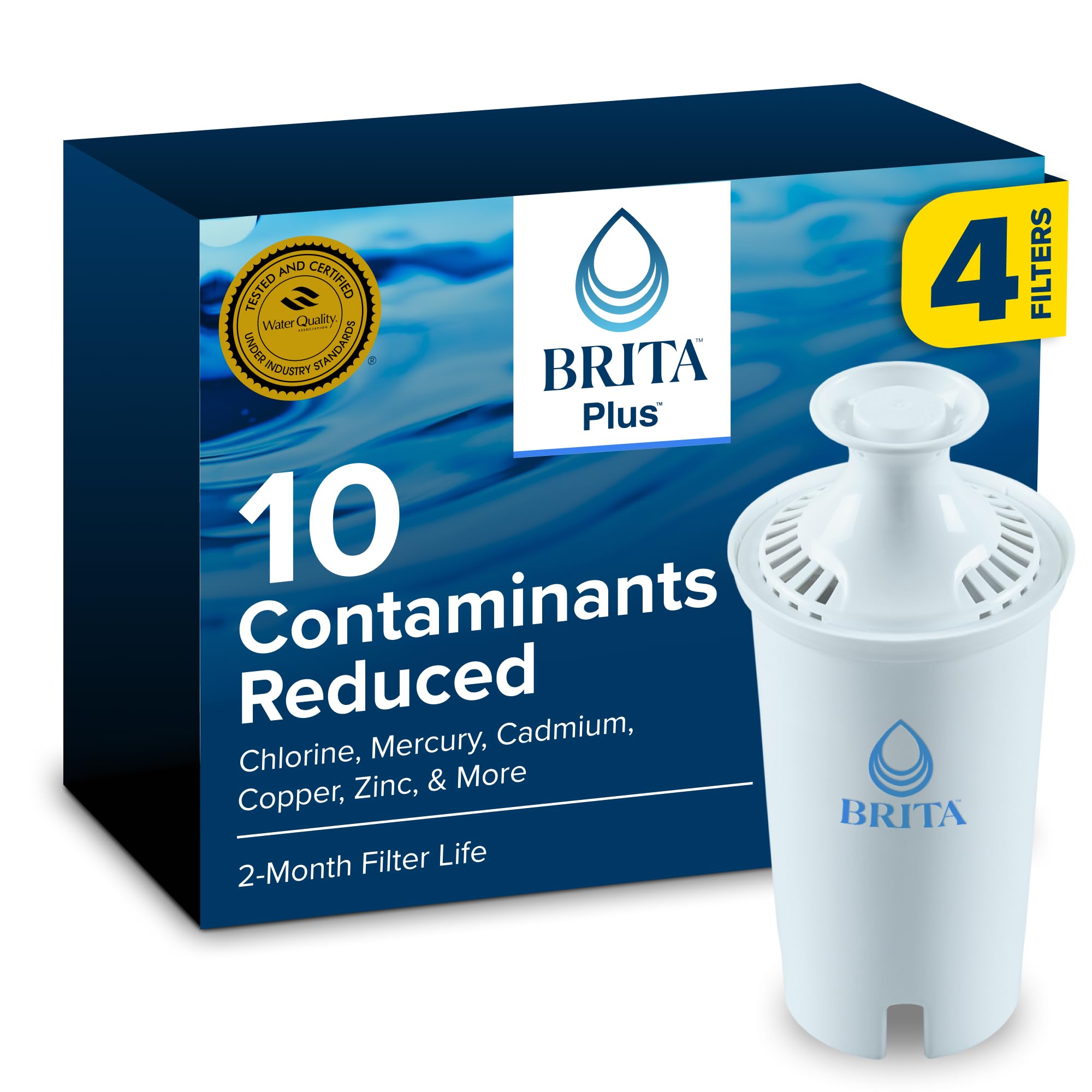
The BritaPlus cartridge that ships with this bundle reduces chlorine, mercury, copper, cadmium and zinc, but is not certified for lead.
Brita Elite filter (the one that changes the answer)
The Elite is the cartridge to fit if lead is your concern. It is NSF/ANSI Standard 53 certified to reduce 99% of lead along with around 30 other contaminants, and it lasts three times as long: roughly 120 gallons or six months. Independent reviewers have noted the Elite cartridge actually flows faster than the Standard despite filtering more, which is unusual and welcome.
The trade-off is upfront cost and the fact that you have to choose it deliberately. The "Brita UltraMax Elite water filter dispenser" bundles exist precisely so buyers do not have to think about this, but if you bought an UltraMax that came with a Standard or BritaPlus filter, switching to Elite is a same-shape drop-in upgrade. No tools, no new hardware.
Brita UltraMax vs Elite: clearing up the most common confusion
The phrase "Brita UltraMax vs Elite" gets searched constantly, and it rests on a misunderstanding worth correcting. UltraMax is a dispenser. Elite is a filter. You are not choosing between two competing products; you are choosing which filter goes inside the dispenser you already want. An UltraMax can run a Standard, a BritaPlus, or an Elite filter. So the real question is "which filter should I put in my UltraMax," and the answer comes down to one variable: do you need certified lead reduction?
This is also where independent lab data earns its keep. When TechGearLab ran an UltraMax with a Standard (non-lead-certified) filter through a torture test, it removed only about 83% of lead and left unsafe residual levels, scoring 41 out of 100 overall, with a dismal salt-removal result. That score reads like an indictment of the UltraMax until you notice the filter being tested was never certified for lead in the first place. Run the same dispenser with an Elite cartridge and you are using a filter certified to 99% lead reduction. Same shell, different outcome. This is exactly why we treat filter choice as the headline of this review rather than a footnote.
If you want to understand lead, PFAS, microplastics, and how certifications map to your specific tap water before you commit, our companion piece on how to choose a home water filter walks through the decision in detail, and the broader guide to the best home drinking water filtration places pitchers and dispensers against under-sink and whole-house systems.
Brita UltraMax cleaning and upkeep
A water filter only stays trustworthy if you keep it clean, and the UltraMax is easy on this front. Wash the reservoir, lid, and dispenser by hand with mild dish soap and warm water roughly once a month; the components are not dishwasher-safe because heat can warp the plastic and damage the battery-powered indicator. Leave the filter out while you wash, let everything air-dry, and pay attention to the spigot, which is the spot where slime is most likely to build up because it stays damp. A bottle brush or a cotton swab clears it in seconds.
Two upkeep habits prevent most complaints. First, do not let the dispenser sit full and unused for days, since standing water in any filter can grow biofilm; if you go away, empty it. Second, respect the change schedule. The BritaPlus and Standard cartridges are good for about 40 gallons or two months; the Elite stretches to 120 gallons or six months. The indicator light helps, but the gallon count is the real limit, so a heavy-use kitchen will hit it before the calendar does.
How it stacks up against the alternatives
A countertop dispenser is one answer to better water, not the only one. If you have a fridge with a built-in water and ice line, a replacement cartridge that lives inside the refrigerator does the same job with zero counter space and no manual refilling. We looked at one of the strongest options in that category in our Waterdrop LT1000PC review, and the contrast is instructive: the dispenser wins on portability and works with any tap, while the in-fridge cartridge wins on convenience but locks you into a compatible appliance.
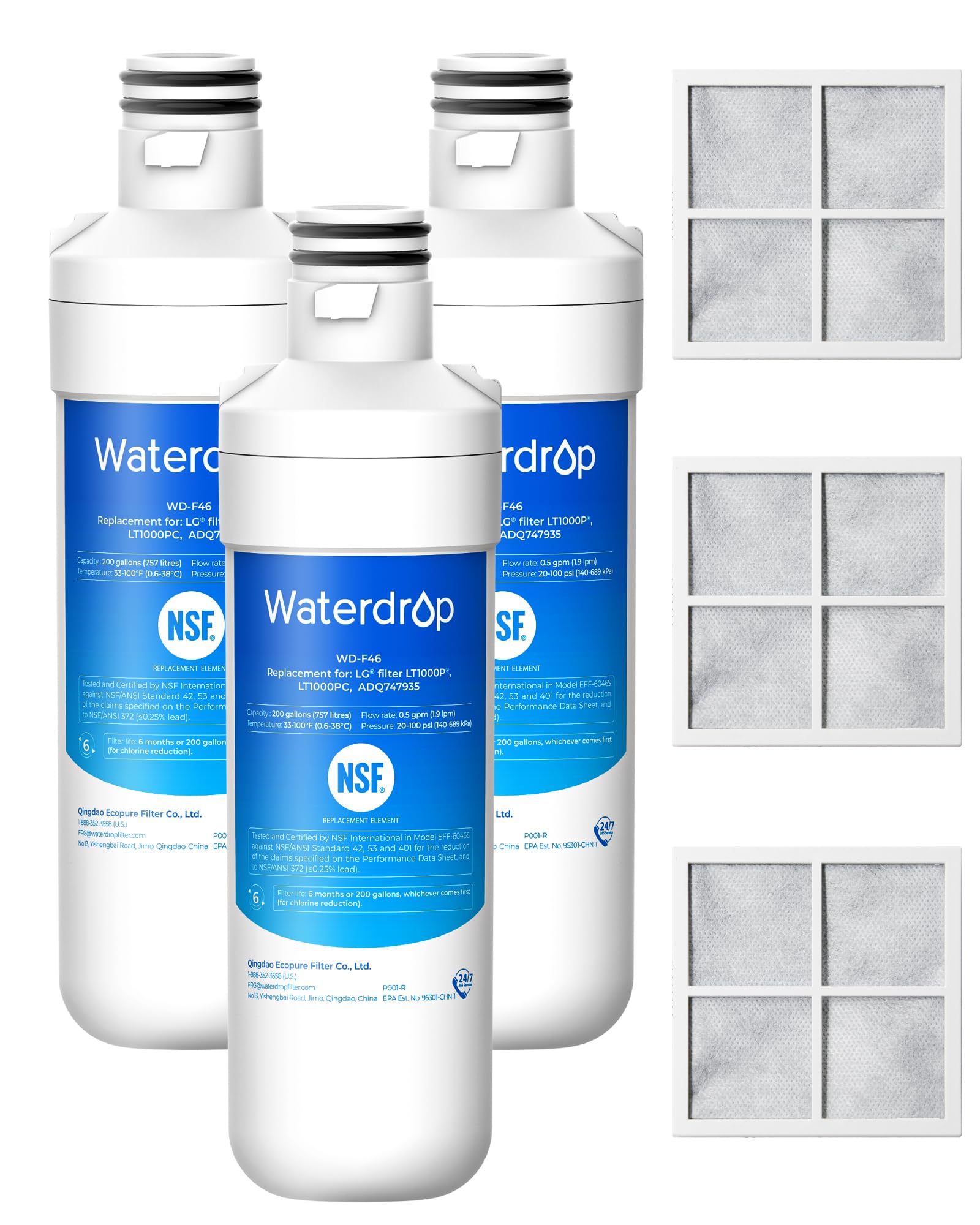
An in-fridge cartridge like the Waterdrop LT1000PC is the main alternative to a countertop dispenser for households with a compatible refrigerator.
The honest comparison within the Brita line is filter-versus-filter, not brand-versus-brand. Against its own Standard cartridge, the BritaPlus reduces twice the contaminants for the same change interval, and the Elite goes further still on certified scope and lifespan. If your water report shows lead, neither the Standard nor BritaPlus is the right call inside this dispenser; fit the Elite.
Who the Brita UltraMax is for
The UltraMax makes the most sense for medium-to-large households that drink a lot of filtered water and want a no-plumbing, no-electricity solution that can hide in the fridge. It is a poor fit if you need instant on-demand volume, since the gravity flow slows to a crawl once the reservoir empties, or if you are unwilling to match the right filter to your water. Buy it, run the Elite cartridge if lead is on your mind, keep it topped up, and it quietly does the one thing most people want: cold, better-tasting water on tap without a single-use bottle in sight.
One last grounding note on trust. The headline weakness you will see quoted around the web, that "Brita doesn't remove lead," is true of the Standard filter and outside the certified scope of the BritaPlus, but not true of the Elite, which is NSF-certified for 99% lead reduction. Reviews that test one filter and indict the whole product do readers a disservice. Match the filter to your water and the UltraMax is a sound, sensible buy.
Where to Buy
Specifications
- Capacity
- 27 cups (over 1 gallon)
- Dimensions (L x H x W)
- 14.37 x 10.47 x 5.67 in
- Empty weight
- Approx. 3 lbs
- Included filter (this bundle)
- BritaPlus high-density, 40 gal / 2 months
- Elite filter option
- NSF/ANSI 53 certified, 99% lead, 120 gal / 6 months
- Filter indicator
- Electronic, battery-powered (lid)
- Material
- BPA-free plastic
- Storage
- Countertop or horizontal fridge-shelf
Related Posts