CANSHN Magnetic iPhone 16 Case Review: Cheap MagSafe, Real Tradeoffs
 Abdulwahab Suleiman·June 16, 2026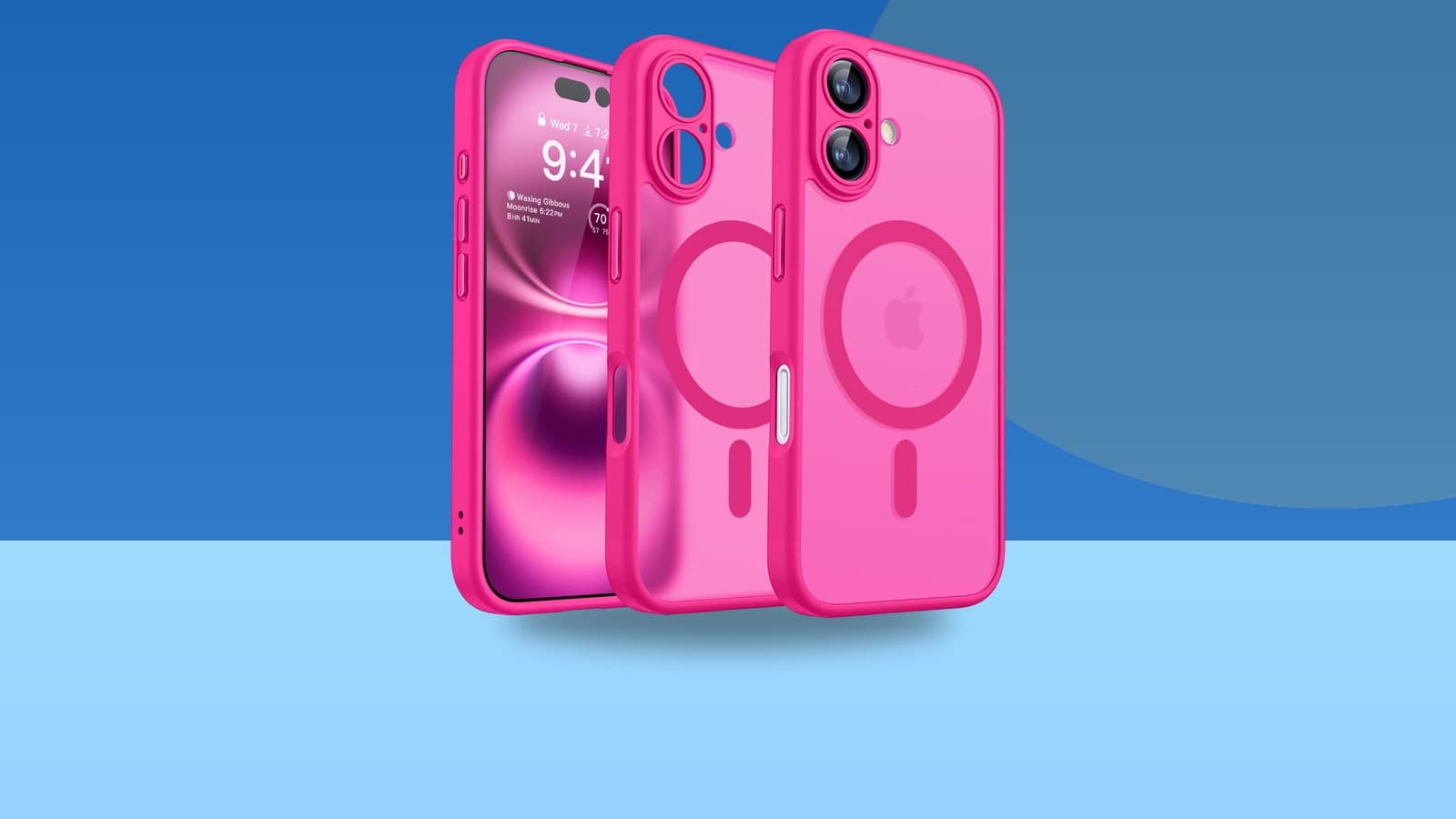
The CANSHN Magnetic iPhone 16 Case at a Glance
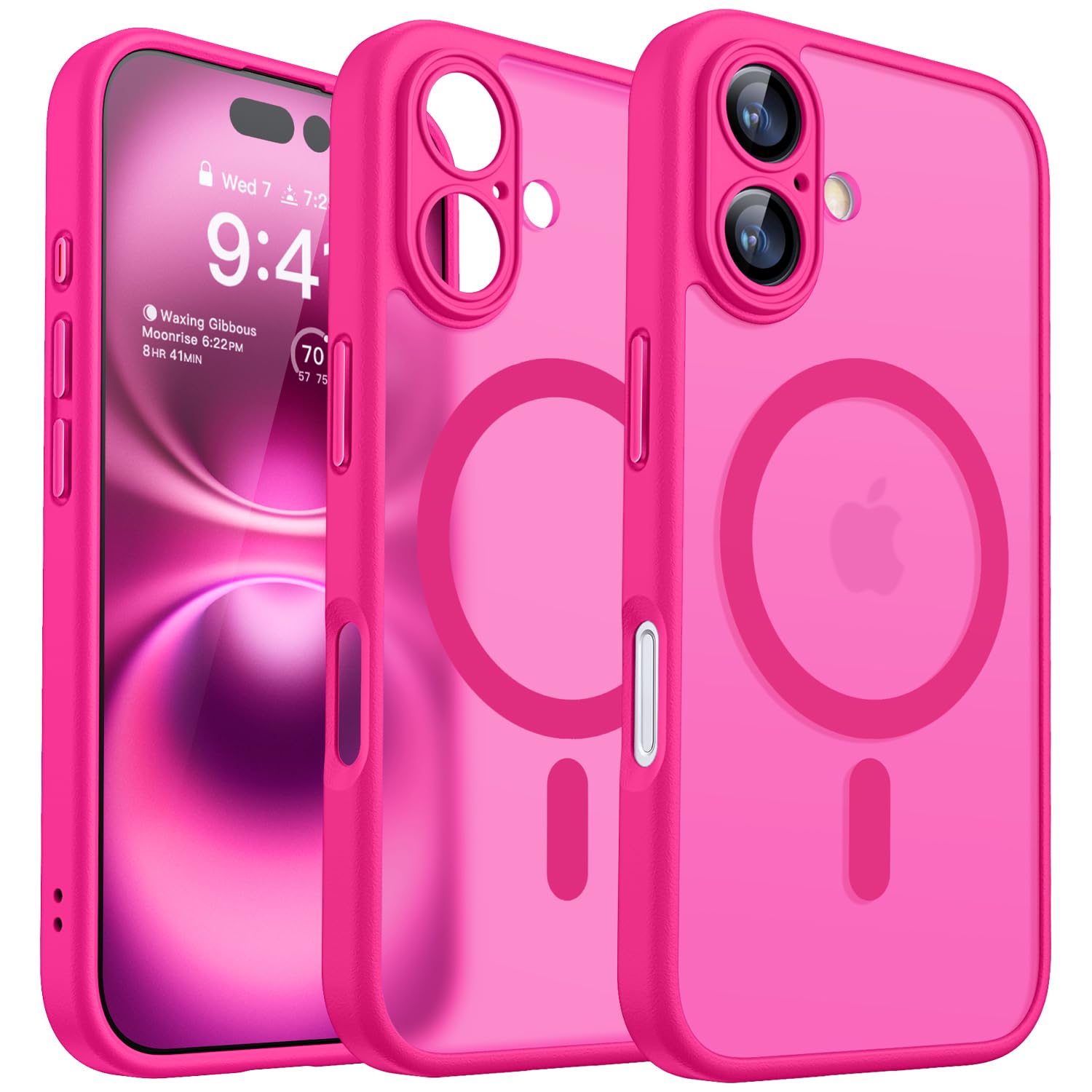
The CANSHN Magnetic iPhone 16 case is one of those sub-$15 accessories that does a lot of quiet work for the money: a translucent matte back, a built-in magnet ring that snaps onto MagSafe chargers and stands, and a raised camera surround that goes further than most budget shells. At a recent price of about $13.59 (marked down 15% from $15.99), it sits in the crowded "good enough" tier of iPhone 16 cases, where the real question is not whether it protects your phone but whether its magnets and charging actually behave like the Apple accessory it's compatible with.
This review is research-based. We did not physically handle this exact unit. Instead, we synthesized CANSHN's published product specifications, Apple's official MagSafe documentation, and independent reporting on how non-certified magnetic cases perform against true Made for MagSafe accessories. Where a claim could only be traced to a marketing bullet, we've flagged it as such rather than presenting it as verified fact. That methodology is the honest version of "tested" for an accessory this cheap, and it's how we keep the pros and cons balanced.
Where to Buy
The translucent matte back is the CANSHN case's signature look, designed to hint at your iPhone's color underneath.
If you want the wider field of options before committing, our best MagSafe iPhone cases for 2026 guide ranks this case against pricier and sturdier alternatives.
Design and Build: Translucent Matte Over a Shockproof Frame
CANSHN builds this case the way most of the budget-MagSafe category does: a flexible TPU bumper wrapped around a hard polycarbonate (PC) back, finished with a matte coating. According to CANSHN's product page, the back panel is translucent and matte, so it picks up a tint from the phone underneath rather than being fully clear or fully opaque. That matte finish is the practical highlight here: it resists fingerprints far better than a glossy clear case, and it doesn't broadcast every smudge.
The frame is the standard two-material sandwich. The TPU edges flex enough to make the case easy to put on and take off, while the PC back keeps the whole thing from feeling rubbery. CANSHN lists shock-absorbing "airbag" corners, which is the marketing term for thickened TPU at the four points most likely to hit the ground first. That's a real and common engineering pattern, even if "airbag" oversells what is essentially extra cushioning.
Camera Protection That Actually Steps Up
The standout structural feature is the camera surround. CANSHN states a 2.5 mm raised border around the lens cluster on the iPhone 16 (the 6.1-inch, two-camera model). That's a meaningful lip. For comparison, many slim cases give you 1 mm or less, which barely lifts the glass off a flat surface. A 2.5 mm raised border means the lenses sit well clear of a tabletop when the phone is face-up, which is exactly the orientation people set their phones down in.
It's worth being precise about variants, because CANSHN sells several. The one reviewed here is the "Upgraded" full-camera-protection model. A separate CANSHN iPhone 16 listing markets itself as "MIL-Grade Drop Tested", but the manufacturer's page for the full-camera-protection version we're reviewing does not publish a specific MIL-STD-810 drop-height figure. We treat the drop rating as unverified for this exact unit rather than borrowing a number from a sibling SKU.
MagSafe and Magnets: Compatible, But Read the Fine Print
This is where a budget magnetic case earns or loses your trust, so it deserves the most scrutiny.
CANSHN markets the case as "Compatible with MagSafe," and it includes a magnet ring so accessories snap on instead of just resting on a flat plastic back. That ring is the difference between a case that works with MagSafe and one that merely doesn't block it. As ESR explains in its breakdown of magnetic charging, a case without its own embedded magnetic ring gives you a weak or nonexistent connection, so your phone can slip off a charger or charge slowly. CANSHN clears that first bar.
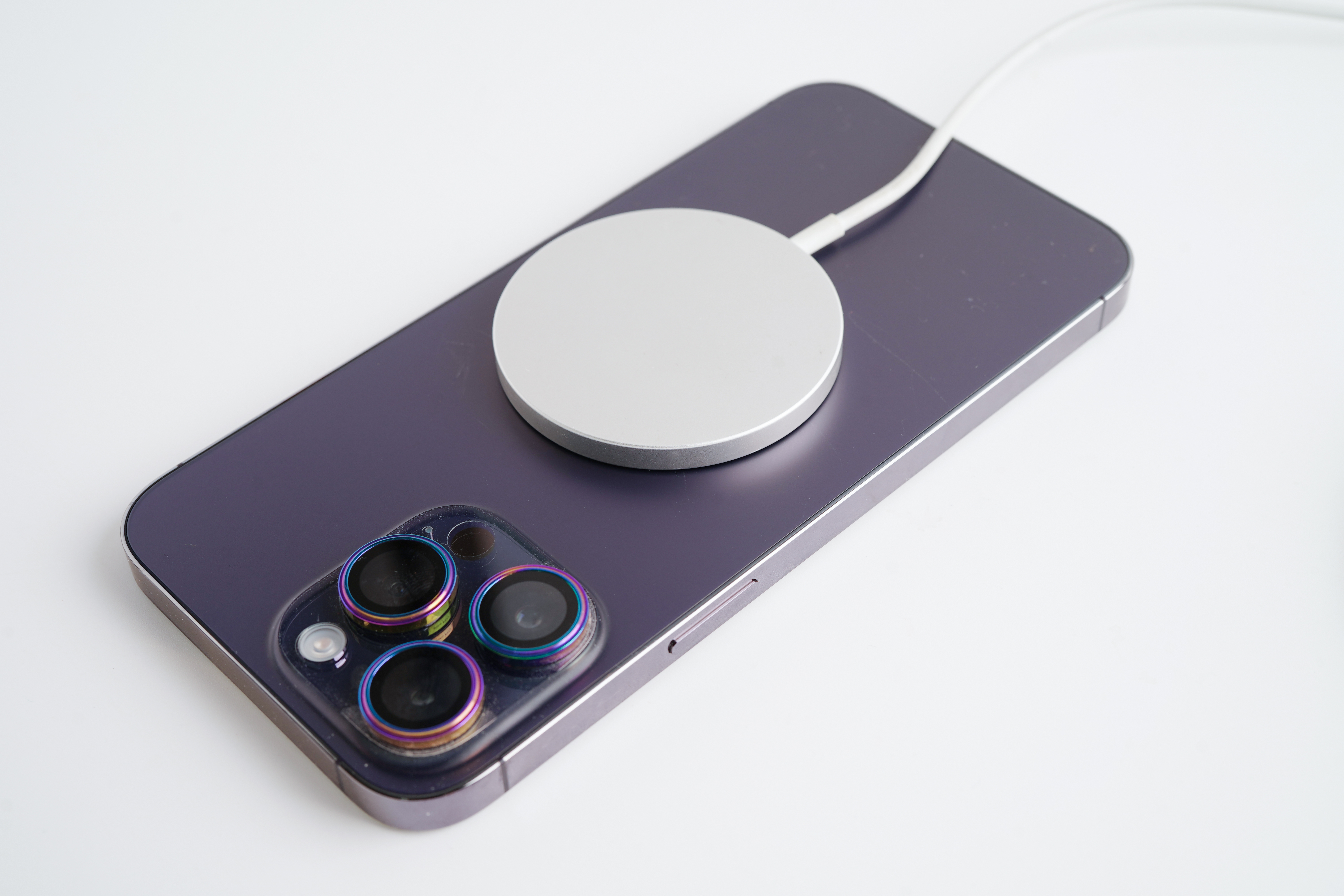
A built-in magnet ring is what lets the case snap to MagSafe chargers and stands instead of sliding around.
The harder questions are how strong the magnets are and how fast it charges. Here, honesty matters more than hype.
Magnet Strength: No Published Gauss Figure
CANSHN does not publish a magnet-strength number (in grams-force or gauss) for this case. That's common for the budget tier, and it's a genuine limitation when you're comparing magnets. To put it in context, FNTCASE publishes a 2,400 gf holding force from a 38-magnet N52 ring on some of its models, which is roughly the upper end of what third-party cases advertise. Because CANSHN gives no comparable figure, we can't claim its hold is as strong, and we won't. If maximum magnetic grip is your priority, a case that publishes its holding force is the safer bet.
For most people, the practical test is simpler: does a wallet or charger stay put? The presence of a proper ring suggests yes for everyday use, but heavy accessories or a phone bouncing in a car mount are exactly where an unspecified, weaker magnet shows its limits.
Charging Speed: Compatible Is Not the Same as Certified
This is the single most misunderstood point about cheap magnetic cases, so it's worth slowing down on.
Apple's own documentation states that an iPhone 16 reaches up to 22.5W of peak power on a MagSafe Charger when paired with a 30W or greater adapter, while the iPhone 16 Plus and 16 Pro Max can hit 25W. Those figures assume Apple's certified Made for MagSafe hardware. "MagSafe compatible," the phrase CANSHN and most budget cases use, is not the same as "Made for MagSafe."
Why does that distinction matter through a case? Because alignment and thickness drive efficiency. As ESR notes, poorly aligned or overly thick cases force the charger to work harder and convert excess energy into heat, with charging-speed reductions reaching as much as 45% in worst-case scenarios. A well-made magnet ring like the one CANSHN includes minimizes that risk, but without certification there's no guarantee you're getting the full wattage Apple's numbers describe. Expect solid, reliable charging for overnight and desk use; don't expect to match a certified case's peak speed with confidence.
Are Magnetic Cases Safe for iPhone 16? And Do They Actually Work?
Two of the most common questions about cases like this are whether the magnets can harm the phone and whether they genuinely work. Both have clear answers.
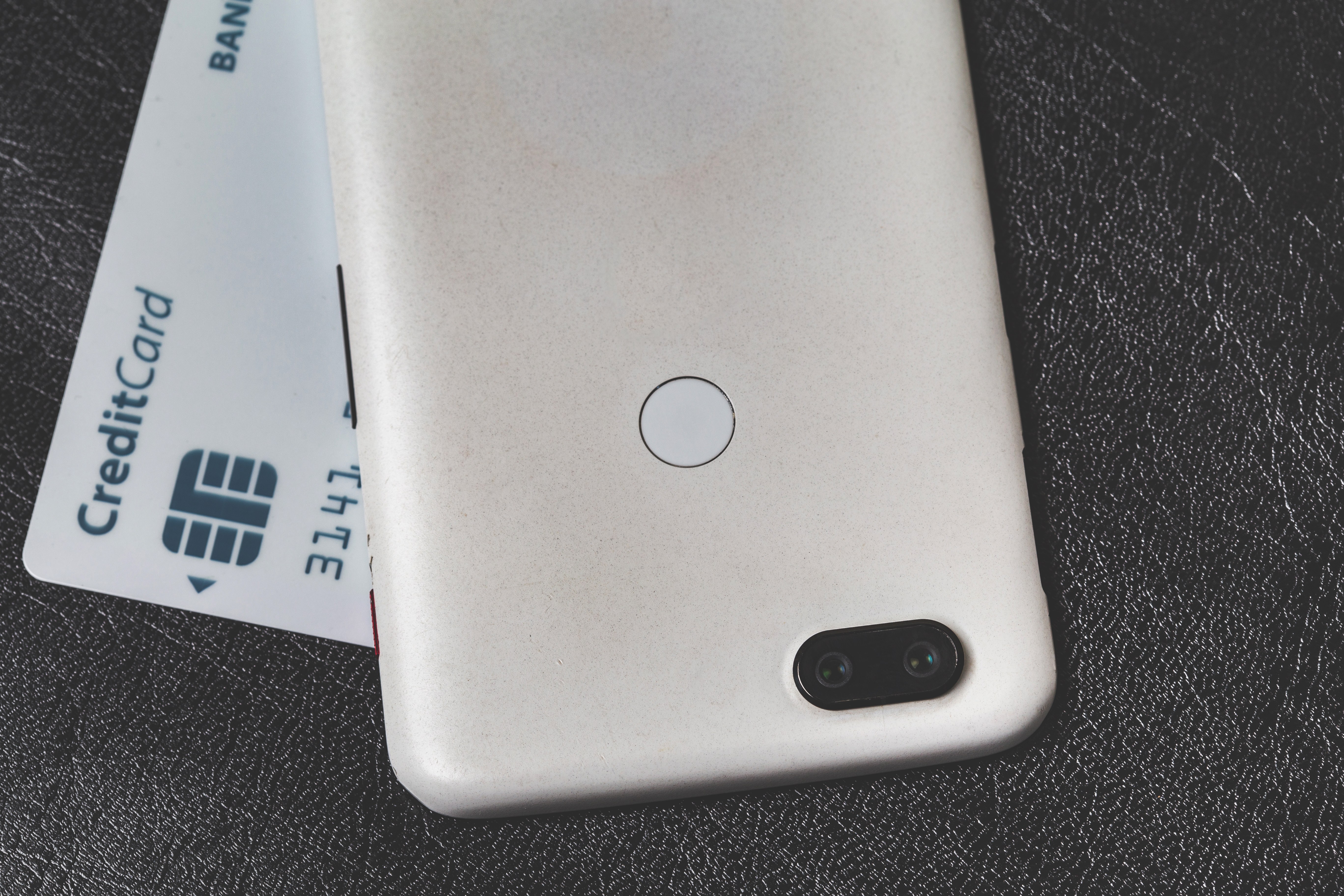
On safety: the magnets are not a threat to your iPhone's internals. Apple's MagSafe documentation treats the magnet array as designed for alignment and charging, and warns only about keeping magnetically sensitive items, such as credit cards, hotel key cards, and passports, out from between the phone and the charger. The iPhone is built to live in a magnetic field; the caution is about your wallet contents, not your battery. So a magnetic case from a reputable seller is safe for the iPhone 16 itself.
On whether they work: yes, when the case has a real magnet ring, which this one does. The failure cases in the wild are almost always shells that claim "MagSafe compatible" while omitting the ring entirely, which leaves accessories sliding around a flat back. Because CANSHN includes the ring, the core function, snapping to chargers, wallets, and stands, works as intended. Our companion explainer, are MagSafe cases worth it, digs deeper into when the ecosystem justifies its price.
Magnetic accessories like card wallets rely on the case's embedded ring to stay attached.
Who Should Buy the CANSHN iPhone 16 Case
The CANSHN earns its place as a budget pick, not a premium one. It's the right call if you want a low-cost, low-profile case that keeps MagSafe alive, looks cleaner than a glossy clear case thanks to the matte finish, and gives your camera lenses a genuinely tall safety lip. At around $13.59, the value math is easy.
It's the wrong call if you need a documented, high-strength magnet for a demanding car mount, a certified case that guarantees Apple's full wireless-charging wattage, or a published military drop rating for genuinely rugged use. In each of those scenarios, paying more for a case that publishes the spec you care about is the smarter move. If you're still weighing tradeoffs, our checklist for choosing a MagSafe iPhone case walks through exactly which specs deserve a premium.
For full specifications, see CANSHN's official product page.
Bottom Line
The CANSHN Magnetic iPhone 16 case is an honest budget MagSafe case: a real magnet ring, a standout 2.5 mm camera lip, and a fingerprint-resistant matte back, all for the price of a couple of coffees. The tradeoffs are exactly what the low price implies. CANSHN doesn't publish a magnet-strength figure or a MIL-STD drop rating for this variant, and "MagSafe compatible" means you shouldn't bank on matching Apple's certified charging speeds. Know those limits going in, and it's a genuinely good value. Need more grip or guaranteed wattage? Spend up.
Where to Buy
Specifications
- Compatibility
- iPhone 16 (6.1-inch, two-camera model)
- Frame material
- Flexible TPU bumper
- Back material
- Hard polycarbonate (PC) with matte coating
- Camera border height
- 2.5 mm raised lip around the lens cluster
- MagSafe support
- MagSafe compatible (magnet ring) and Qi wireless charging
- Magnet strength
- Not published by manufacturer
- Drop rating
- No specific MIL-STD figure published for this variant
- Warranty
- 180-day refund or replacement
- Typical price
- About $13.59 (15% off $15.99) as of mid-2026
Related Posts