Are Pinch Pleat Curtains Good for Living Rooms? An Honest Look
 Abdulwahab Suleiman·June 16, 2026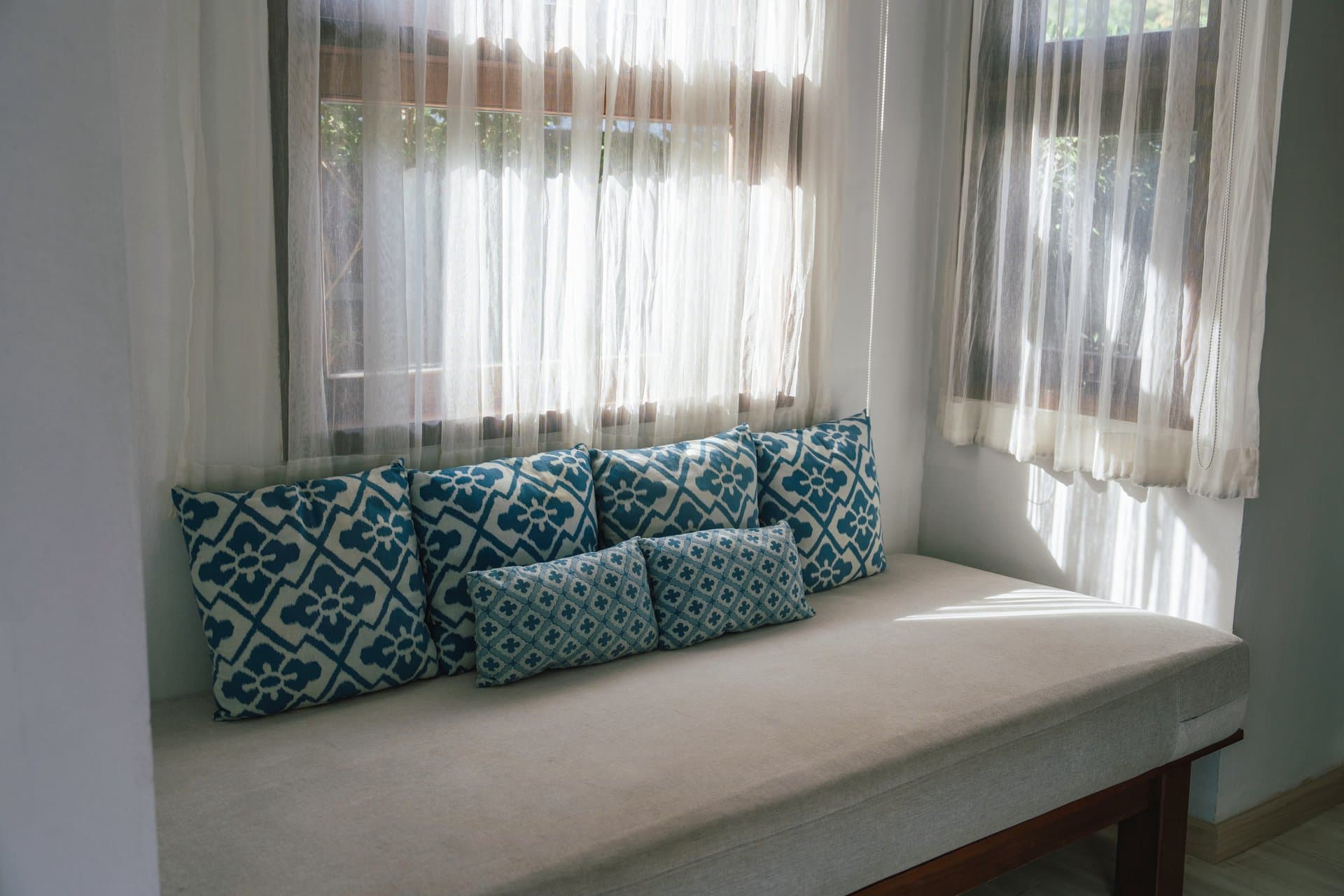
The short answer: yes, with a couple of honest caveats
If you want the one-sentence version: pinch pleat curtains are one of the best-looking, most functional choices you can make for a living room, and the main reasons people hesitate (cost, the "are these dated?" worry, fiddly hanging) are smaller than they sound once you understand how the style actually works.
That said, "good for a living room" is doing a lot of work in that sentence. A living room is usually the largest, most-photographed, most-lived-in room in the house, with big windows, long sightlines, and furniture that the curtains have to talk to. The pleat style you pick changes how tailored the room reads, how much light you can keep out at night, how much wall space the panels eat when they're open, and how much you'll spend. So the better question isn't really "are pinch pleats good," it's "are pinch pleats good for the way I use this specific room." This piece walks through that, grounded in drapery-industry guidance, U.S. Department of Energy efficiency data, and current designer trend reporting, so the guidance reflects how these curtains perform across many real living rooms rather than a single window.
A quick note on how we evaluate this, since it matters for trust: our assessment cross-references three independent layers of evidence. We synthesize the construction details and dimensions from manufacturer pages and product listings, weigh them against findings from reputable drapery and interior-design experts, and triangulate those against recurring themes in verified owner feedback, with energy numbers pulled straight from primary sources like the Department of Energy. Reading across many windows and many owners this way surfaces how a curtain actually behaves over time, not how one panel looked on one afternoon. Where a claim can only be traced to anecdote, we leave it out.
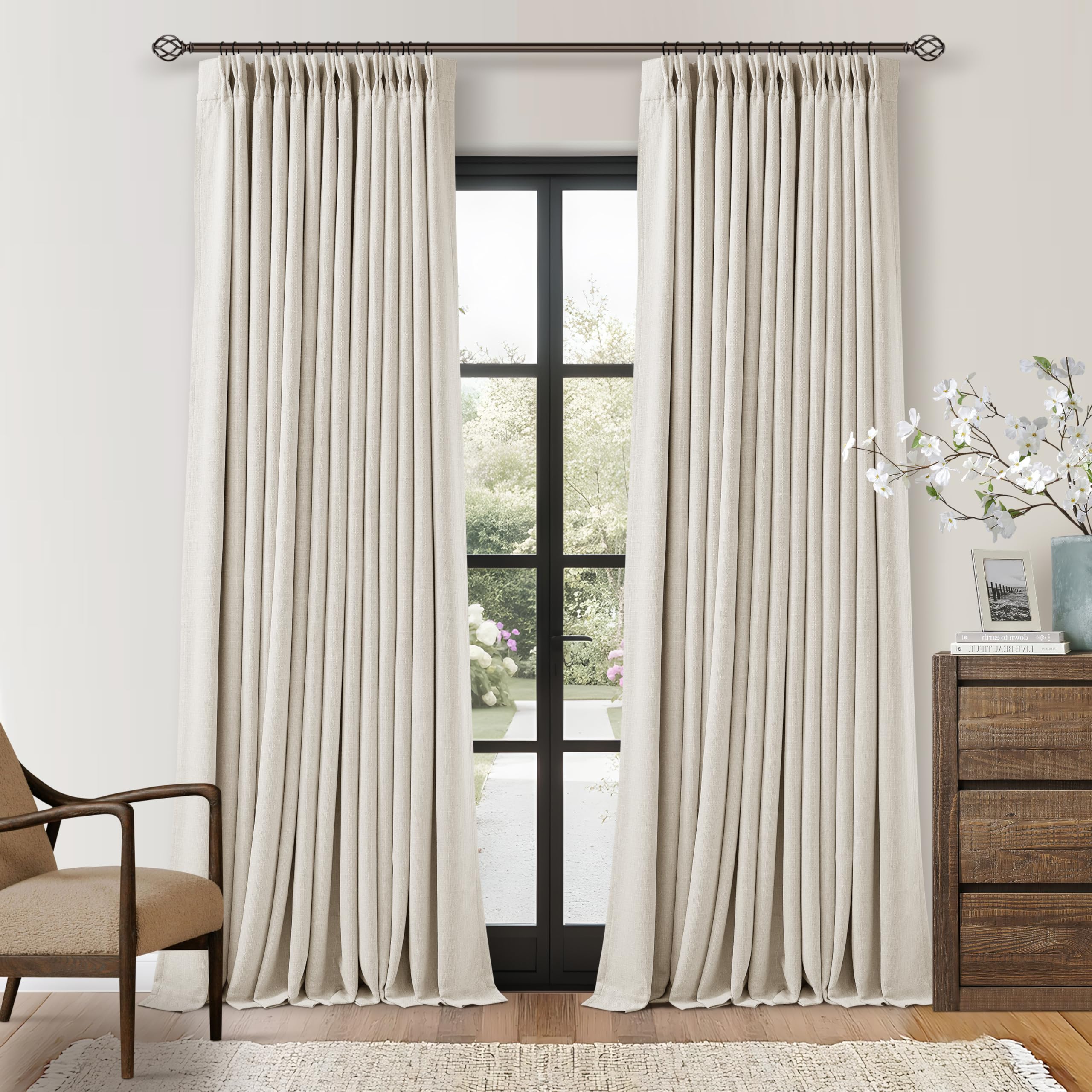
Pinch pleat blackout drapes give a living room a tailored, custom-made look without a custom price.
What "pinch pleat" actually means (and why it changes a room)
A pinch pleat is fabric gathered and stitched into fingers at the top of the panel, then tacked together a few inches down so the pleat fans out below the rod. The classic version uses three fingers per pleat, which is why it's also called a French pleat or triple pleat. According to drapery fabricators, pinch pleat panels are built to a roughly 2.5:1 fullness ratio, meaning a finished panel uses about two and a half times the fabric of the window width it covers, which is what produces those deep, even folds that hold their shape all the way down (Atlanta Fabrics drapery fullness guide).
That fullness is the whole point, and it's also why pinch pleats read so differently from the flat, sail-like look of grommet or rod-pocket panels. The folds are structured at the top and trained to stack in neat columns when you open them. In a living room that does a few useful things at once:
- It makes windows look taller and more intentional, because the eye follows the vertical folds upward, an effect designers lean on to play up ceiling height (Skyline Window Coverings on pinch pleat drapery).
- It adds visual weight that balances large furniture. A flat panel can look thin next to a deep sectional; a full pleated panel holds its own.
- It signals "custom" even when it isn't. The tailored top is the single biggest reason inexpensive pleated panels can pass for made-to-measure drapery.
The flip side of all that fabric is the trade-off we'll keep coming back to: more material means a higher price than a basic flat panel, and a fuller "stack-back" (the bundle of fabric that sits beside the window when the curtains are open). Neither is a dealbreaker for most living rooms, but both are worth planning around.
Pinch pleat, Euro pleat, goblet pleat: the family tree
People shopping for "pinch pleat" almost always run into its cousins, so it helps to know how they relate. They're all built from the same gathered-finger idea; the difference is where the pleat is tacked and how open it's left.
- Pinch / French pleat: Three fingers tacked four to five inches down from the top, so the pleat pinches in at the tack and fans above and below it. The most traditional, most tailored look (Drapery Connection on pinch pleat fullness).
- Euro / Parisian pleat: The same three fingers, but tacked right at the very top so the fabric fans out immediately below the rod. The result is crisper and a touch more modern, which is exactly why it shows up so often in contemporary living rooms (Quiltcraft drapery pleat styles).
- Goblet pleat: Starts as a French pleat, then the top is opened into a rounded cup, often stuffed with interlining to hold the shape. Formal, dramatic, and best in tall traditional rooms; it needs a fabric with enough body to keep the goblet from collapsing.
We'll dig into the pinch-versus-Euro decision below, because for a modern living room that's the choice most people are actually weighing.
Are pinch pleat curtains out of style?
This is the fear that stops a lot of people, so let's deal with it head-on: no. If anything, the trend reporting for 2026 points the other way. Editors at Homes & Gardens and Livingetc both flag tailored pleated headings as a current direction rather than a fading one, tied to the broader "quiet luxury" mood of restrained, well-made, slightly formal interiors (Homes & Gardens 2026 curtain trends, Livingetc 2026 curtain trends).
What would look dated is a specific old execution: heavy, shiny, swagged-and-jabotted pinch pleat treatments in dark patterned fabric, hung short, on a fat brass traverse rod. That's the "grandma's formal living room" image people are reacting against, and it's fair to react against it. The pleat itself isn't the problem; the fabric, length, and hardware were.
The modern way to wear the same pleat looks different in a few specific ways:
- Calmer fabrics. Linen, linen blends, cotton, and bouclé in neutral or earthy tones instead of glossy jacquard.
- Slim hardware. A thin pole or a recessed track instead of a chunky decorative rod, which keeps the focus on the fabric and lets in more light.
- Proper length. Hung high and run to the floor (or a hair past it), not stopping at the sill.
Do those three things and a pinch pleat reads as current and tailored, not fusty. So if "out of style" is your only hesitation, you can let it go. The bigger decisions are about function and fit, which is where the rest of this guide lives, and where our full living room curtains and drapes buying guide goes deeper on coordinating color, length, and hardware across the whole room.
Double pinch pleat vs single: how many fingers do you want?
"Double pinch pleat curtains" is a common search, and the answer is mostly about the look you're after and, a little, about cost.
- A single pleat is one fold per pleat. Cleaner, flatter, the most minimal of the pleated options.
- A double pleat (two fingers) gives more shape and fullness than a single while staying restrained. It's a popular middle ground for modern living rooms.
- A triple pleat (three fingers, the classic French pleat) is the fullest and most traditional, with the deepest folds.
More fingers generally means more fabric gathered into each pleat, which nudges the price and the fullness up together. For a living room, the practical guidance is straightforward: if your room leans modern and your windows are average height, a single or double pleat keeps things crisp; if you've got tall windows, formal furniture, or you simply love a lush, draped look, the triple pleat earns its extra fabric. Designers note that a double pinch pleat in particular hits a sweet spot of "interesting shape without looking heavy," especially when paired with a slim pole (Property Lovers on custom-looking Amazon pinch pleats).
One thing worth setting expectations on: ready-made affordable pinch pleat panels are usually sold with the pleats already sewn in, so you typically don't get to choose single-versus-triple per window the way you would with a custom workroom. You're choosing a panel that's built a certain way. That's fine for most rooms, just something to check on the product page before you buy.
Pinch pleat vs Euro pleat for a living room
This is the decision most modern living rooms actually come down to, so it deserves its own section. Both are three-finger pleats. The only real construction difference is the tack point, and that small difference changes the feel of the whole window.
Choose a classic pinch (French) pleat if:
- Your living room leans traditional, transitional, or formal.
- You want maximum tailored structure and deep, sculpted folds.
- You're pairing the drapes with substantial furniture and want them to feel like a real architectural element.
Choose a Euro (Parisian) pleat if:
- Your room is contemporary or minimalist.
- You want the fabric to fan out cleanly right at the rod for a sleeker top edge.
- You're hanging on a slim pole or track and want the heading to feel modern rather than ornate.
In practice, the Euro pleat has become the default "modern tailored" look, which is exactly why so many of today's living-room-friendly panels use it (The Color House on ripple vs. pinch drapery). Neither is "better." A French pleat in a glass-walled loft can look slightly fussy; a Euro pleat in a paneled Victorian sitting room can look slightly too plain. Match the pleat to the architecture and you can't really go wrong.
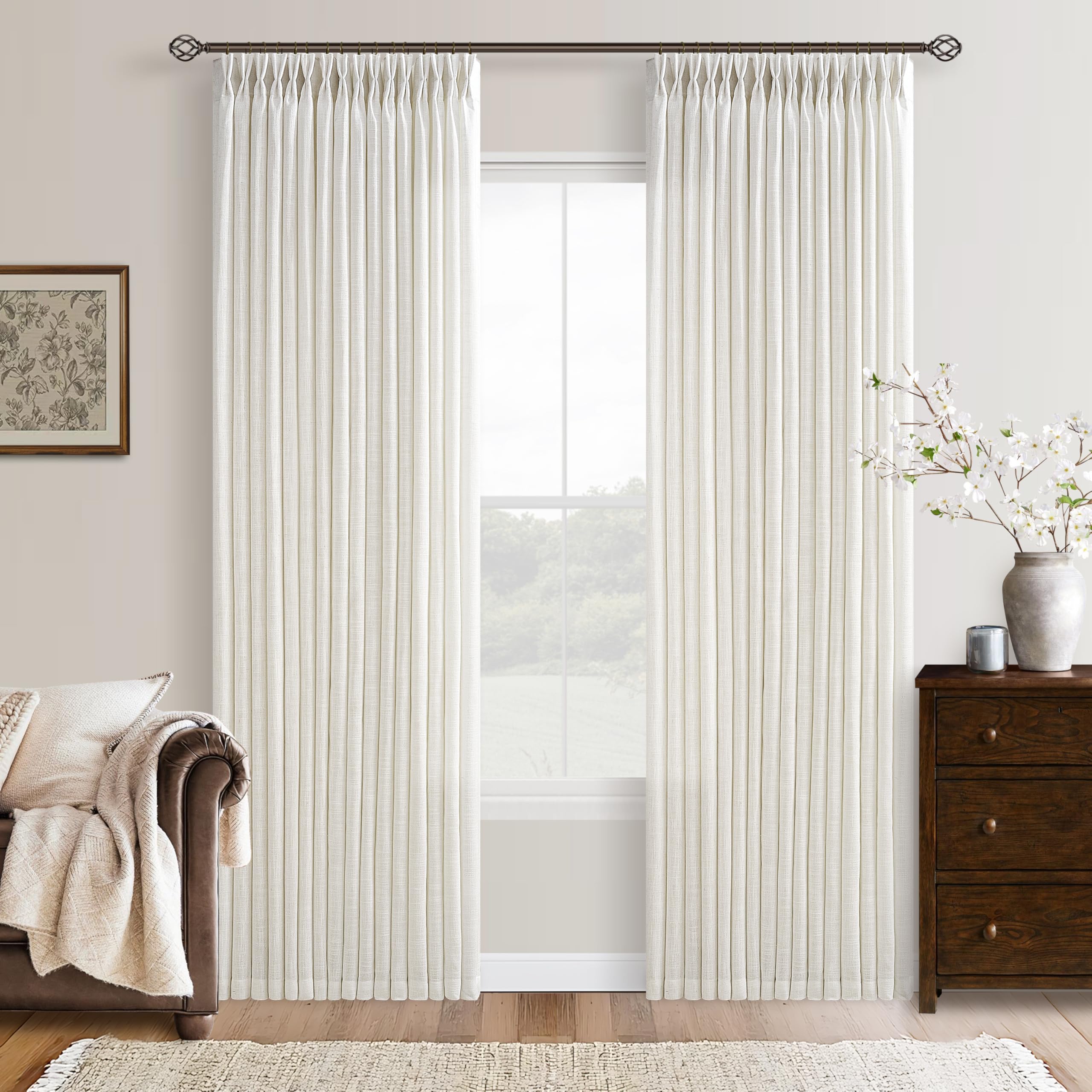
Light-filtering linen pinch pleat panels keep a living room bright while still reading tailored.
Light, privacy, and energy: where pinch pleats genuinely earn their keep
A living room has competing light needs. You want it bright and airy by day, cozy and private at night, and you'd rather not watch your heating and cooling dollars float out the windows. Pinch pleats help with all three, but how much depends entirely on the fabric and lining you pair with the pleat.
Daytime light. If you want a soft, glowing room, a light-filtering or semi-sheer pinch pleat (we'll cover sheers below) diffuses sun without blacking the room out. The fullness of the pleat actually helps here, scattering light across the folds instead of letting it blast through a flat panel.
Nighttime privacy and darkness. This is where lining matters most. A blackout-lined pinch pleat panel is the combination that gives you a tailored daytime look and genuine room-darkening at night, which is why it's such a common pick for living rooms that double as movie rooms. If that's your priority, our pinch pleat blackout curtains review breaks down how the lining, fabric weight, and stack-back actually perform.
Energy. This is the part people overstate in both directions, so here are the primary-source numbers. The U.S. Department of Energy reports that most conventional draperies can reduce heat loss from a warm room by up to about 10% when they're closed during cold weather, and that medium-colored draperies with white-plastic backings can cut summer heat gain by as much as 33% (U.S. Department of Energy, energy-efficient window coverings). The DOE is also specific about installation: hang draperies as close to the window as possible, run them to the windowsill or floor, add a cornice or mount tight to the ceiling, and seal the sides so warm air can't circulate behind the panel. Two layered draperies trap a tighter air space and do better than one.
Why does this matter for the pinch-pleat question? Because the pleat style naturally encourages the exact installation the DOE recommends: full, floor-length panels that overlap in the center and stack against the wall. You don't get the energy benefit from the pleat itself, you get it from the fabric, the lining, and a proper floor-length install, but pinch pleats make that install look intentional instead of like a compromise. Consumer Reports makes a similar point about window coverings being one of the simpler levers for managing indoor temperature and glare (Consumer Reports on window coverings and energy).
Pinch pleat sheer curtains: the layered look
"Pinch pleat sheer curtains" is a popular search for good reason. A sheer pinch pleat gives you the tailored heading and gathered fullness of a drape, but in a light, gauzy fabric that filters sun and softens a room without blocking the view. In a living room they shine in two roles:
- On their own, for a bright, breezy room where you don't need nighttime privacy or darkness (a daytime sitting room, a high-floor apartment, a room that faces a private yard).
- As the inner layer of a double-drape setup, paired with heavier blackout or room-darkening pinch pleat panels on the same or a double rod. Sheers stay closed for daytime privacy and glow; the heavier layer pulls across at night for darkness and that DOE-friendly tighter air space.
The one caution with sheer pleats is that very lightweight fabrics don't hold a crisp pleat as confidently as a mid-weight linen or cotton; the same is true at the extreme for goblet pleats, which need body to keep their shape (Skyline Window Coverings). Most ready-made sheer pinch pleats are engineered with enough weight to pleat properly, but it's worth checking the fabric weight or "semi-sheer / light-filtering" wording on the listing rather than assuming.
How to hang pinch pleat curtains: hooks, tracks, and rods
The "how do I actually hang these" worry is real but smaller than it looks. There are three common systems, and most affordable pinch pleat panels are designed to work with more than one.
Pinch pleat curtains with hooks (the classic method)
Traditional pinch pleat panels have a row of small pockets sewn into the back of the heading. You slide a drapery pin hook into a pocket, and the hook's top catches either a ring on a rod or a glider on a track. Two quick rules keep this painless:
- Hook placement sets the height. Insert the pins higher on the heading and the panel hangs higher (good for hiding a track); lower, and it hangs lower. Test one pleat before doing all of them.
- Match hook type to your hardware. Pin-on hooks for rings/rods; specific track hooks for track systems. The product page or hook packaging will say which.
This is the system behind the "how to pinch pleat curtains with hooks" question, and once you've hooked the first panel the rest go fast.
Pinch pleat curtains on a track
A ceiling- or wall-mounted track is the cleanest modern option and the one designers reach for when they want the fabric to look like it floats. The pin hooks drop into gliders that run along the track, so the rod disappears and you get an uninterrupted line of fabric, which suits the Euro-pleat look especially well. Tracks also glide more smoothly than rings on a pole for wide living-room windows or a sliding-door wall. The trade-off is that a track is a more involved install than a pole and reads more minimal than decorative, so it's a style choice as much as a hardware one.
Pinch pleat curtains on a rod with rings
If you want a visible decorative element, hang the hooked panels from rings on a slim pole. This keeps the tailored heading but adds the rod as a design line. For the modern look, keep the pole slim rather than chunky.
A few practical install tips that apply no matter which system you choose, drawn from drapery and DOE guidance:
- Mount high and wide. Place the rod or track several inches above the window frame and extend it past the sides so open panels clear the glass. This makes windows look bigger and lets in more light.
- Go to the floor. Sill-length pinch pleats are the single fastest way to make the room look dated and lose the energy benefit. Floor-length (kissing the floor or breaking slightly) is the modern, efficient choice (U.S. Department of Energy).
- Account for stack-back. Because pleated panels are full, the open bundle is wider than a flat panel's. Extend the hardware enough that the stack sits over the wall, not the glass, or you'll lose daytime light.
So, are pinch pleat curtains good for your living room?
Let's turn all of that into a decision you can act on.
Pinch pleats are an excellent fit if you want:
- A tailored, custom-looking window without a custom budget.
- Fullness that balances large furniture and tall windows.
- A heading that pairs naturally with floor-length panels, layering, and the DOE-recommended efficient install.
- A look that designers are actively championing for 2026, not fighting against.
Think twice, or plan around it, if:
- You're on the tightest possible budget and a flat panel would do, since pinch pleats use more fabric and cost more (The Savvy Heart on curtain style pros and cons).
- Your window is narrow and you can't extend the rod, because the fuller stack-back will eat into your glass and light.
- You specifically want the casual, beachy look of relaxed flat or wave panels, which is a different aesthetic entirely.
For most living rooms, none of those caveats is fatal. The cost difference over a flat panel is modest at the ready-made level, the stack-back is solved by mounting the hardware a bit wider, and the budget concern largely evaporates now that affordable pinch pleat panels look genuinely custom.
Matching the pleat to the job
If you're trying to decide between specific panels, sort by the room's main need first, then pick the pleat:
- Want darkness for movie nights and a tailored daytime look? A blackout-lined pinch (or Euro) pleat. Start with our pinch pleat blackout curtains review.
- Want a bright, airy, modern room? A light-filtering linen or semi-sheer pinch pleat, on a slim pole or track.
- Want the best of both? Layer a sheer pinch pleat behind a heavier room-darkening pinch pleat on a double track.
- Not sure where to start across the whole room? Our living room curtains and drapes buying guide walks through color, length, fabric, and hardware as a set.
Frequently asked questions
Are pinch pleat curtains out of style in 2026?
No. Trend reporting from Homes & Gardens and Livingetc lists tailored pleated headings among current directions, in step with the "quiet luxury" look. What dates a room is heavy shiny fabric hung short on chunky hardware, not the pleat itself. Modern linen-and-slim-pole executions read as current (Homes & Gardens).
What's the difference between pinch pleat and Euro pleat?
Both are three-finger pleats; the Euro pleat is tacked right at the top so the fabric fans out immediately below the rod for a crisper, more modern line, while the classic pinch pleat is tacked a few inches down for deeper, more traditional folds (Quiltcraft).
Do pinch pleat curtains help with insulation?
Indirectly. The pleat encourages the full, floor-length, tight-to-the-window install the U.S. Department of Energy recommends, and the right lined fabric can cut heat loss by up to about 10% in winter and summer heat gain by up to 33% with a reflective backing (U.S. Department of Energy).
How do I hang pinch pleat curtains?
Slide drapery pin hooks into the pockets on the back of the heading, then catch the hooks on rings (for a pole) or gliders (for a track). Set the hook height to control how high the panel hangs, mount the hardware high and wide, and run the panels to the floor.
Can pinch pleats be sheer?
Yes. Semi-sheer and light-filtering pinch pleat panels give you the tailored heading in a gauzy fabric, lovely on their own for a bright room or layered behind heavier room-darkening panels. Just check the fabric is mid-weight enough to hold a crisp pleat.
The bottom line
Are pinch pleat curtains good for living rooms? For the overwhelming majority of rooms, yes, and confidently so. They deliver a tailored, custom look on a ready-made budget, they pair naturally with the floor-length, layered, efficient setup the experts recommend, and they're firmly in style for 2026. The real work isn't deciding whether to use a pinch pleat, it's choosing the right pleat variant (classic versus Euro), the right fabric and lining for your light and privacy needs, and a hanging system that suits your hardware and your windows. Get those three right and a pinch pleat will make a living room look pulled together for years.
Related Posts