Are Water Filters Worth It? An Honest Cost and Health Breakdown
 Abdulwahab Suleiman·June 16, 2026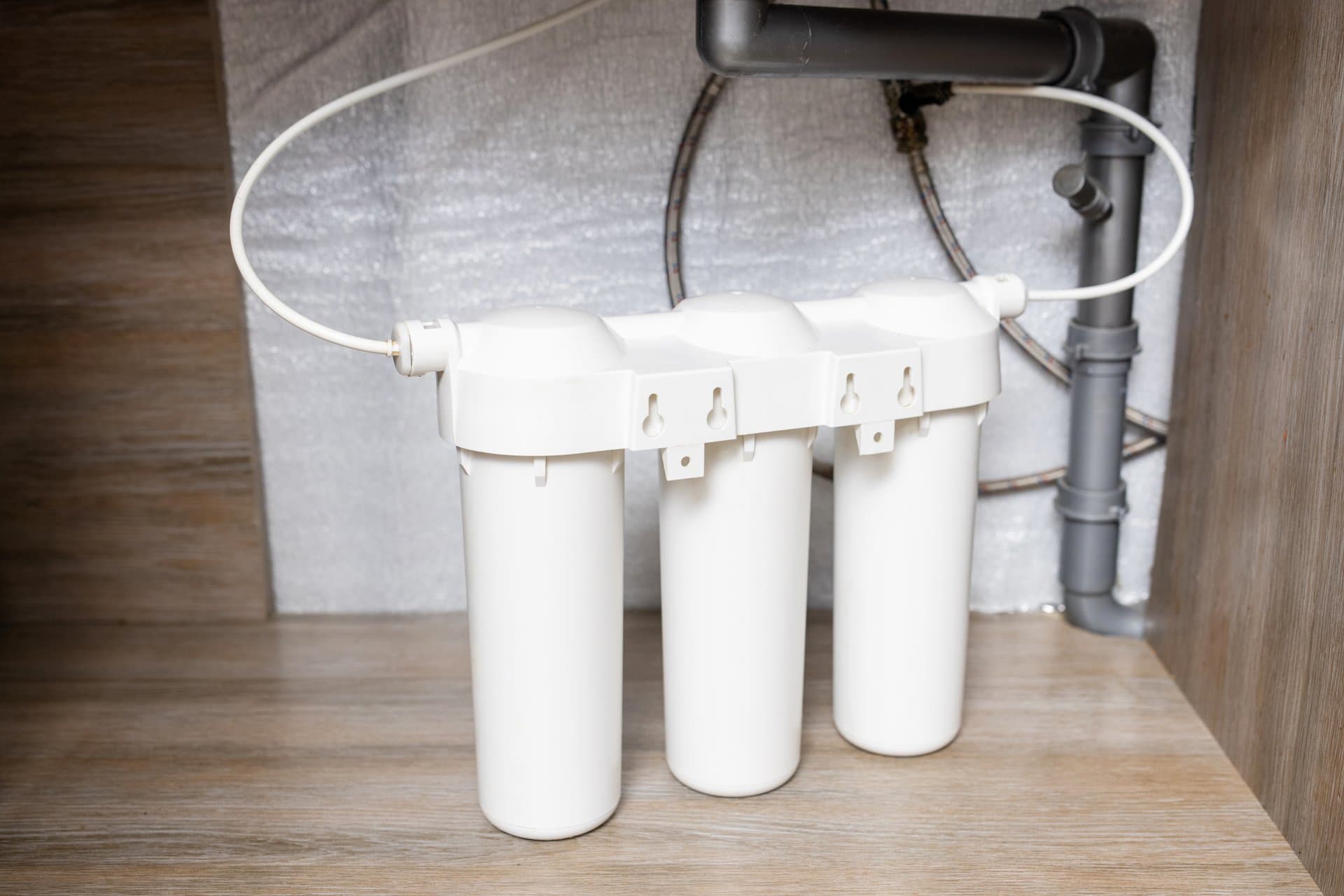
Are Water Filters Worth It? The Short Answer, Then the Honest Math
"Are water filters worth it" is really three questions wearing one coat: is your water actually a problem, will a filter fix the part that matters, and does the math come out ahead of just buying water or drinking it straight from the tap. The honest answer is that for most households a certified filter is worth it, but the value swings enormously depending on what's in your water and which filter you pick. A $30 pitcher that targets the wrong contaminant is wasted money. A right-sized, third-party-certified filter that removes what your water actually contains is one of the cheapest health-and-taste upgrades you can make.
This guide walks through the real cost-per-year numbers, what filters can and can't remove, how to read the certification labels that separate a working filter from a marketing claim, and which type fits which living situation. We pull the facts from the EPA, Consumer Reports, NSF, and peer-reviewed research rather than vibes, because "worth it" should be a decision you can defend with evidence.
How we evaluated this: This is a research-based analysis, not a hands-on lab test. We did not personally test these filters in our own lab. Instead we synthesized manufacturer specifications, the NSF/ANSI certification standards, U.S. EPA treatment guidance, Consumer Reports' water-quality investigations, and published studies on filtration performance. Where a number comes from a source, we link it so you can verify it yourself. Anything we couldn't ground in a credible source, we left out.
Do You Really Need a Water Filter? Start With What's In Your Water
The biggest mistake people make is buying a filter before knowing what they're filtering. "Do you really need a water filter?" has a different answer for a city apartment on a well-monitored municipal supply than for a rural home on a private well, and you can't tell the two apart by taste alone.
Find out what your tap water contains first
If you're on a municipal supply, your utility is legally required to test the water and publish the results once a year in a document called a Consumer Confidence Report, which you can request from your water supplier. The U.S. EPA also recommends that if your utility doesn't test for a contaminant you're worried about, or if you draw from a private well, you have your water analyzed by a certified laboratory before deciding on treatment (EPA: Identifying Drinking Water Filters Certified to Reduce PFAS).
This step matters because the contamination picture is not hypothetical. A 2021 Consumer Reports investigation conducted with The Guardian tested water at 120 locations across the United States and found that 118 of them had detectable amounts of lead, arsenic, or PFAS above the levels Consumer Reports recommends as a maximum (Consumer Reports: Best Water Filter Buying Guide). Separately, a 2023 U.S. Geological Survey study estimated that at least 45 percent of the nation's tap water contains PFAS, the "forever chemicals" linked in research to thyroid disease, immune effects, and certain cancers (Consumer Reports: Best Water Filter Buying Guide).
So the odds that your water has something worth reducing are not small. But "something" is not "everything," and that distinction is what decides whether a given filter is worth your money.
Taste is a real reason too
Not every reason to filter is about health. A huge share of households buy a filter purely because chlorine taste and odor make tap water unpleasant, and they end up drinking more water and less soda as a result. That's a legitimate payoff, and it happens to be the easiest thing a cheap filter can deliver. The catch is that a filter built only for taste does nothing for lead or PFAS, which brings us to the single most important concept in this entire topic: certification.
Do Drinking Water Filters Actually Work? Yes, If You Read the Label
"Do drinking water filters actually work?" The technology absolutely works. The problem is that "water filter" describes everything from a basic carbon pitcher to an under-sink reverse osmosis system, and they do not remove the same things. A filter "works" only against the specific contaminants it has been independently certified to reduce.
The certification standards that actually mean something
Reputable filters are tested against NSF/ANSI standards by independent bodies. Consumer Reports points to several third-party labs that certify filters to accepted NSF/ANSI standards, including NSF itself, the Water Quality Association (WQA), and IAPMO (Consumer Reports: Best Water Filter Buying Guide). Here's what the three standards you'll see most often actually certify:
- NSF/ANSI 42 covers aesthetic, non-health contaminants: chlorine taste and odor, particulates, and similar nuisance issues. A filter certified only to 42 makes your water taste better and nothing more.
- NSF/ANSI 53 covers health-related contaminants and carries more than 50 possible reduction claims, including lead, certain cysts, and other contaminants with health effects (Frizzlife: NSF/ANSI 42 vs 53 vs 58 vs 401).
- NSF/ANSI 401 covers "emerging" contaminants such as prescription and over-the-counter drug residue, pesticides, and herbicides identified in published studies as occurring in drinking water (Frizzlife: NSF/ANSI 42 vs 53 vs 58 vs 401).
The practical rule: a certification is only as good as the specific claim attached to it. A filter "tested to NSF/ANSI 53" is meaningless on its own. A filter "NSF/ANSI 53 certified for lead reduction" is a real, verifiable promise. Always match the certified claim to the contaminant your water test flagged.
Why "certified" beats "tested" or "meets standards"
There's a meaningful difference between a product that is certified and one whose marketing says it "meets" or "was tested to" a standard. Certification means an accredited third party verified the claim and continues to perform follow-up testing on production units (Consumer Reports: Best Water Filter Buying Guide). Self-declared "tested to NSF standards" language without a certifying body behind it is the marketing equivalent of grading your own homework. When you're deciding whether a filter is worth it, treat the certifying mark, not the brand's adjectives, as the source of truth.
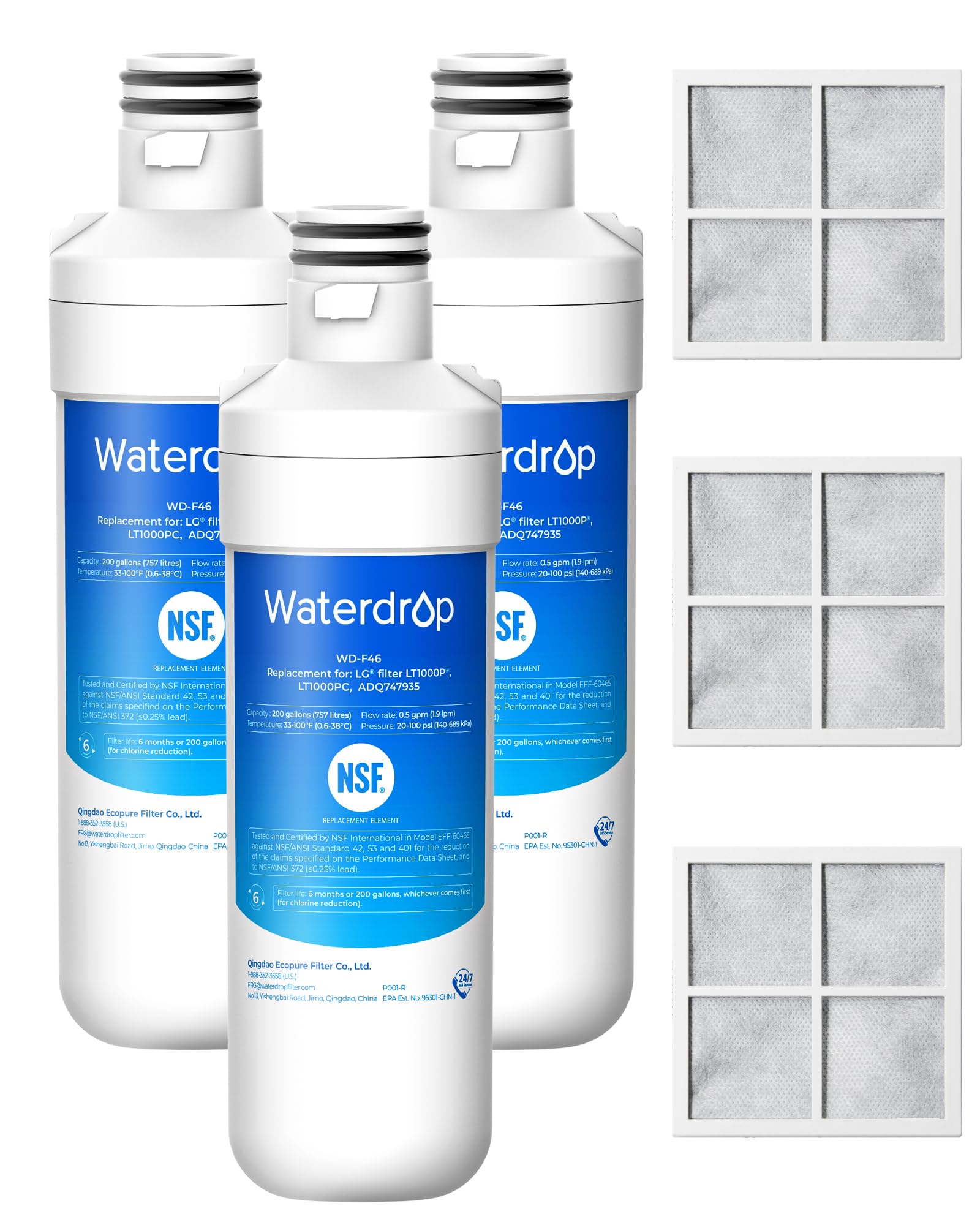
Point-of-use cartridges like refrigerator filters are convenient, but their certified claims vary widely by model.
Are Water Filters Worth the Money? Running the Real Numbers
Now the math. "Are water filters worth the money?" comes down to comparing three things: drinking unfiltered tap water (free, but no contaminant reduction), filtering at home (modest ongoing cost), and buying bottled water (the most expensive option by a wide margin).
Filter cost per year, honestly
For a pitcher or dispenser, the upfront cost is small and the recurring cost is the replacement cartridges. Most households spend roughly $70 to $150 per year on a pitcher and its replacement filters combined (Frizzlife: Pitcher Water Filters 2025 Buyer's Guide). The exact figure depends on how much water you go through and which cartridge you use, because filter life varies a lot between models. A standard Brita filter, for example, is rated for about 40 gallons and needs replacing roughly every two months, while a longer-life Elite cartridge is rated for about 120 gallons or roughly six months (Brita: UltraMax Water Dispenser product page). A longer-life cartridge costs more per unit but often less per gallon, which is the number that actually matters for annual cost.
Bottled water is the expensive habit
Compare that to bottled water. Bottled water typically runs $1.00 to $2.00 per gallon, and a household that relies on it for drinking can spend $900 or more per year (Frizzlife: Pitcher Water Filters 2025 Buyer's Guide). Against that benchmark, a $70-to-$150-per-year filter doesn't just break even, it saves several hundred dollars annually while cutting plastic waste. If you're currently a bottled-water household, the "worth it" question is essentially settled before you even get to the health benefits.
Where filters are NOT worth it
Honesty cuts both ways. A filter is not worth it if (a) your water test comes back clean and you don't mind the taste, (b) you buy a filter certified only for taste while worrying about lead or PFAS, or (c) you buy a premium whole-house or reverse-osmosis system to solve a problem a $40 pitcher would have handled. Over-buying is as wasteful as under-buying. The worth-it sweet spot is the cheapest filter that is certified for the specific contaminant your water actually contains.
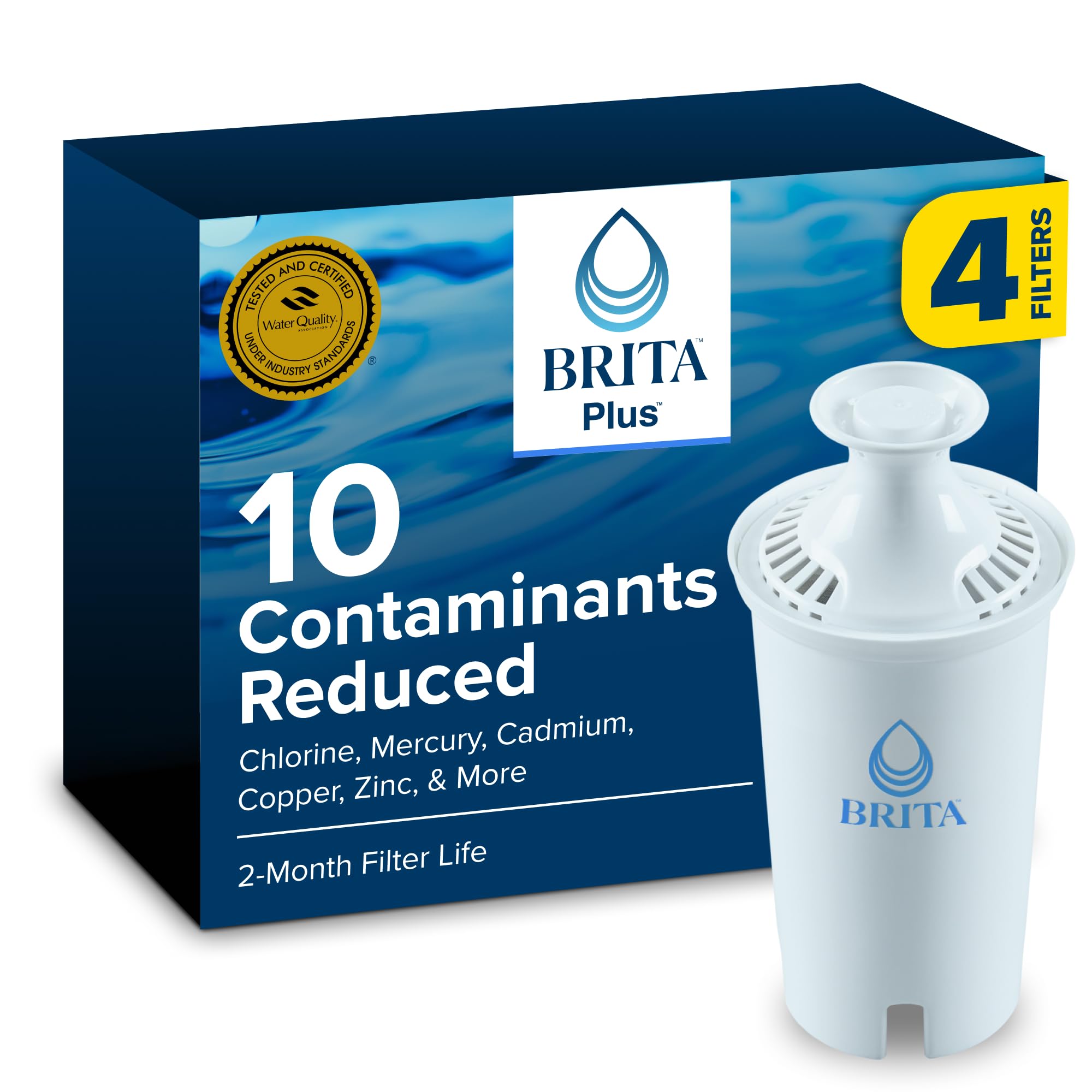
The recurring cost of replacement cartridges, not the upfront price, drives a filter's true cost per year.
Best Drinking Water Filtration System for Home: Matching the Filter to the Job
There is no single "best water filter brand" or best system for everyone, because the right choice depends on your contaminant, your budget, and your living situation. Here's how the main types compare on what they remove and where they fit.
Pitchers and countertop dispensers
The most popular entry point, and for good reason. A countertop dispenser like the Brita UltraMax holds about 27 cups and is fridge-friendly, making it a low-commitment way to improve taste and, depending on the cartridge, reduce specific health contaminants. The trade-off is throughput and cartridge cost: you refill manually and replace cartridges on a schedule. As a "best water filter pitcher" or "best countertop water filter" pick, the key is to check the exact certified claims of the cartridge you choose, not just the brand on the jug. For a deeper look at how a dispenser fits real-world use, our full Brita UltraMax review breaks down capacity, filter life, and certified claims.
Faucet-mounted and under-sink carbon filters
Faucet mounts attach to your tap and filter on demand, which suits renters who want better water without a pitcher taking up fridge space. Under-sink carbon systems do the same with higher capacity and no countertop footprint. Granular activated carbon traps many contaminants as water passes through its porous structure, and carbon is a recognized PFAS-reduction technology (EPA: Reducing PFAS in Your Drinking Water with a Home Filter). Carbon's weakness is the very small stuff, which matters for microplastics (more on that below).
Refrigerator and point-of-use cartridges
If you already have a fridge with a water and ice dispenser, a replacement cartridge is the most frictionless filtration you can own because it's built into a habit you already have. Compatibility and the cartridge's certified claims vary widely by model, so a fridge filter is only as good as the specific cartridge spec. This fit-and-compatibility decision is exactly the kind of detail that separates a worthwhile cartridge from a wasted one, and it's covered in our guide to choosing a home water filter.
Reverse osmosis for the toughest contaminants
When your water test shows PFAS, high lead, or other serious health contaminants, reverse osmosis (RO) is the heavy hitter. High-pressure membranes like RO are typically more than 90 percent effective at removing a wide range of PFAS, including the shorter-chain compounds that some other methods miss (EPA: Reducing PFAS in Drinking Water with Treatment Technologies). RO costs more upfront, wastes some water in the process, and may remove beneficial minerals, but for the hardest jobs it's the most reliable answer. For PFAS specifically, the EPA advises looking for filters certified under NSF/ANSI 53 or NSF/ANSI 58 for PFOA and PFOS reduction (EPA: Reducing PFAS in Your Drinking Water with a Home Filter).
Best Water Filter for Microplastics: A Special Case Worth Understanding
Microplastics have become one of the most-searched filtration concerns, and they're a useful test of the "do filters actually work" question because the answer depends heavily on the filter type.
Reverse osmosis is the standout performer here, and the reason is mechanical. RO works by forcing water through a membrane far tighter than the ones used in lighter filtration, and the EPA notes that these high-pressure membranes are typically more than 90 percent effective at removing even a wide range of PFAS, including the very small shorter-chain compounds that looser methods miss (EPA: Reducing PFAS in Drinking Water with Treatment Technologies). A barrier tight enough to reject dissolved shorter-chain PFAS will also block microplastic fragments, which are physically much larger particles. Standard granular activated carbon is less reliable for the smallest particles, because the EPA describes carbon as trapping chemicals chemically rather than physically straining out particulates (EPA: Reducing PFAS in Your Drinking Water with a Home Filter). That said, dense carbon block filters with very fine pore structures can capture many microplastics while preserving minerals, so carbon is not useless here, it's just type-dependent.
The takeaway for a "best water filter for microplastics" decision: if microplastics are your primary concern, prioritize reverse osmosis or a certified fine-pore carbon block, and verify the certified claim rather than trusting a generic "filters microplastics" label.
Are Water Filters Worth It for an Apartment or Rental?
"Best water filter for apartment" is one of the most common follow-up searches, because renters face a constraint homeowners don't: you usually can't install anything permanent. That rules out whole-house systems and complicates under-sink RO, but it doesn't leave you without options.
For most apartments, the best-value path is a certified pitcher or countertop dispenser, or a faucet-mounted filter that screws on and off without tools. Both deliver real contaminant reduction, both move with you when your lease ends, and both keep your upfront cost low. If your building's water test or your municipal Consumer Confidence Report flags a serious health contaminant like lead or PFAS, look specifically for a pitcher or faucet filter carrying the relevant NSF/ANSI 53 certified claim rather than a taste-only model. The portability of these filters is itself part of the value: you're not sinking money into a fixture you'll leave behind.
One more renter-specific consideration: filter life shapes how often you'll be shopping for cartridges, which is a hassle as well as a cost. A dispenser that uses a longer-life cartridge, like the roughly 120-gallon, six-month Elite-class filter rated by Brita, means fewer trips to replace it than a standard 40-gallon, two-month cartridge (Brita: UltraMax Water Dispenser product page). For a busy renter who'd rather not think about water filtration twice a year, that convenience is a real, if quiet, part of "worth it."
Is Waterdrop a Good Water Filter Brand? How to Judge Any Brand
"Is Waterdrop a good water filter?" and "best water filter brand" are among the most common questions people ask before buying, and the honest answer is the same for every brand: a brand is only as trustworthy as the certified claims on the specific model you're considering. Brand reputation is a useful starting filter, but it is not a substitute for checking the certification on the exact cartridge or system.
Waterdrop, like Brita, PUR, Aquasana, and others, sells a wide catalog spanning everything from basic pitchers to reverse-osmosis systems and refrigerator-compatible replacement cartridges. Some of those products carry strong third-party certified claims and some are aimed mainly at taste, so judging the brand as a single entity is the wrong lens. The right lens is per-model: pull up the specific product, find its NSF/ANSI or WQA certification, read the exact contaminants it is certified to reduce, and compare that list to what your water test flagged.
This is precisely why the certification standards matter more than the logo on the box. The EPA's own guidance for the most serious contaminants, PFAS, is brand-agnostic: it tells consumers to look for the NSF/ANSI 53 or NSF/ANSI 58 certified claim for PFOA and PFOS reduction rather than trusting any particular brand name (EPA: Reducing PFAS in Your Drinking Water with a Home Filter). Apply that same discipline to taste, lead, or cyst reduction and you'll never be misled by a strong brand attaching a weak claim, or fooled into ignoring a lesser-known brand with a solidly certified product.
So is any given brand "good"? It's good for your situation if it makes a model whose certified claims match your contaminant, at a cartridge cost per gallon you're comfortable with. That's a more useful question than "which brand is best," and it's the question our home water filtration buying guide is built around.
The Hidden Variable: Replacing the Cartridge on Schedule
Here's the part almost no one factors into "worth it," and it can quietly erase the value of a good filter: a cartridge only performs while it's within its rated life. A filter that's certified to reduce lead does so for its rated gallons, not forever. Run it past replacement and it stops protecting you, and a clogged carbon filter can even shed accumulated contaminants back into your water.
That's why filter life is a spec worth comparing as carefully as the certified claims. A standard Brita cartridge is rated for roughly 40 gallons or about two months of typical use, while a longer-life Elite-class cartridge is rated for around 120 gallons or six months (Brita: UltraMax Water Dispenser product page). Those numbers assume average household consumption; a large family that drinks more water will hit the gallon limit sooner than the calendar suggests, which is why many dispensers include a fill-based or usage-based replacement indicator rather than a simple timer.
When you do the cost-per-year math, build the real replacement cadence into it, not the best-case calendar estimate. A filter that looks cheap on the shelf but burns through cartridges quickly can cost more per year than a pricier model with a long-life cartridge. The most "worth it" filter is the one whose certified claims match your water and whose replacement schedule you'll actually keep up with, because an expired filter is just an expensive cup holder.
So, Are Water Filters Worth It? The Verdict
For the typical household, yes, a water filter is worth it, with two conditions attached. First, you have to know what's in your water, which means reading your utility's Consumer Confidence Report or testing a private well, because buying blind is how people waste money on the wrong filter. Second, you have to match a certified claim to your actual contaminant, since "water filter" covers a huge range of products that remove very different things.
When those two boxes are checked, the math is compelling. A certified pitcher or under-sink filter typically costs $70 to $150 per year, against $900-plus for an equivalent bottled-water habit, while delivering verified contaminant reduction and better taste. The value only weakens in the edge cases: clean water you're happy with, a filter mismatched to your contaminant, or an over-built system solving a problem a cheap one would have handled.
If you're ready to choose a specific system, our complete guide to the best home drinking water filtration walks through the decision by contaminant, budget, and living situation, and our hands-off reviews break down individual models against their certified claims. Start with your water test, let the certification do the talking, and the "worth it" question answers itself.
Related Posts